What is Stroke / Cerebrovascular Disease? 


A stroke, also known as cerebrovascular disease, occurs when the blood supply to a part of the brain is interrupted or reduced, preventing brain tissue from receiving oxygen and essential nutrients. Within minutes, brain cells begin to die, making this a medical emergency that requires immediate attention. Cerebrovascular diseases encompass a group of disorders affecting the blood vessels and circulation in the brain, including transient ischemic attacks (TIAs), ischemic strokes, and hemorrhagic strokes.

Stroke is among the leading causes of death and long-term disability worldwide, and its effects can range from mild weakness to complete paralysis or speech loss. Early diagnosis and prompt treatment play a critical role in improving survival rates and minimizing permanent brain damage.

THANC Hospital Chennai provides specialized, multidisciplinary stroke care, offering 24/7 emergency management, advanced neuroimaging, and personalized rehabilitation programs. The hospital’s expert neurologists, neurosurgeons, and critical care teams work in coordination to ensure every patient receives timely, evidence-based treatment for all types of cerebrovascular conditions.

Understanding Stroke / Cerebrovascular Disease

A stroke happens when blood flow to the brain is compromised. The brain relies on continuous oxygen and glucose supply from the bloodstream — when that flow stops, brain cells begin to deteriorate rapidly. Depending on which part of the brain is affected, a person may experience loss of speech, movement, memory, or vision.

Types of Stroke

There are two major types of strokes:

  • Ischemic Stroke: Caused by a blockage or clot in a brain artery. It accounts for around 80% of all strokes.
  • Hemorrhagic Stroke: Occurs when a blood vessel in the brain ruptures, leading to internal bleeding.
  • Transient Ischemic Attack (TIA): Sometimes called a “mini-stroke,” it produces stroke-like symptoms that last for a short time. It is a warning sign of potential major stroke risk.

Causes of Stroke and Cerebrovascular Disease

The primary causes of cerebrovascular diseases are conditions that damage or narrow the arteries in the brain. These include:

  • Atherosclerosis (hardening of arteries)
  • Blood clots or embolism
  • Uncontrolled high blood pressure
  • Aneurysms or vascular malformations
  • Head or neck injuries
  • Irregular heart rhythms (especially atrial fibrillation)
  • Smoking and excessive alcohol use

Risk Factors

Certain factors increase the likelihood of developing a stroke or cerebrovascular disease:

  • Age: Risk rises significantly after 55 years.
  • Family History: Genetic predisposition to vascular or heart diseases.
  • High Blood Pressure (Hypertension): The single most significant modifiable risk factor.
  • Diabetes: Damages blood vessels and promotes clot formation.
  • High Cholesterol: Leads to fatty deposits in arteries.
  • Obesity and Physical Inactivity
  • Poor Diet (high in salt, fat, or sugar)
  • Stress and Smoking

Who is Most Affected?

Although stroke can affect anyone, it is most common in:

  • Older adults (above 60 years)
  • People with cardiovascular disease
  • Those with unhealthy lifestyles or chronic conditions
  • Individuals with a prior TIA or family history of stroke

Common Symptoms of Stroke / Cerebrovascular Disease

Recognizing the early signs of a stroke is vital for timely medical response. The faster a stroke is treated, the better the chances of minimizing brain damage and improving recovery outcomes.

Key Symptoms

  • Sudden numbness or weakness in the face, arm, or leg (especially on one side)
  • Difficulty speaking or understanding language
  • Loss of coordination or balance
  • Severe, sudden headache without a known cause
  • Blurred or double vision
  • Dizziness or confusion
  • Drooping face (one side appears to sag)
  • Loss of consciousness or fainting episodes

When to Seek Medical Help

Immediate medical help is required if any of the above symptoms appear — even if they last only a few minutes.
You can use the FAST method to identify a stroke quickly:

  • F – Face: Ask the person to smile. Is one side drooping?
  • A – Arms: Ask them to raise both arms. Does one drift downward?
  • S – Speech: Check if speech is slurred or strange.
  • T – Time: If any signs are present, call emergency services immediately.

Delaying treatment can result in irreversible brain damage. Early intervention can often reverse symptoms or significantly reduce complications.

Diagnosis of Stroke / Cerebrovascular Disease

Accurate and prompt diagnosis is critical in stroke management. The type of stroke determines the treatment approach, so identifying whether the event is ischemic or hemorrhagic is essential.

Diagnostic Tests and Screenings

Common investigations include:

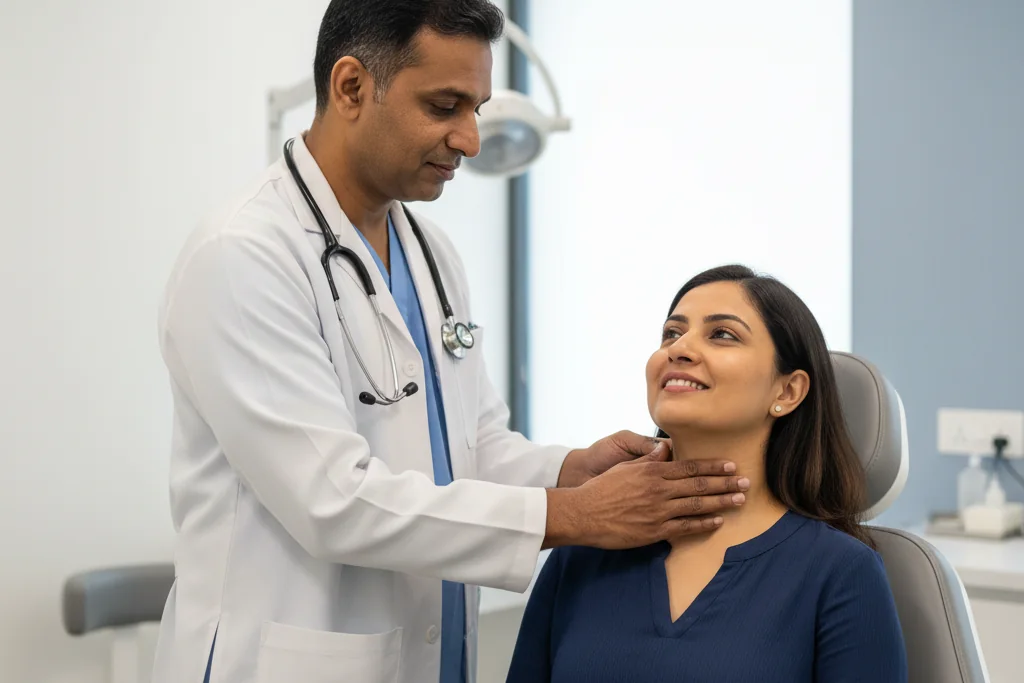
  • Physical and Neurological Examination: Assessing motor skills, coordination, reflexes, and speech.
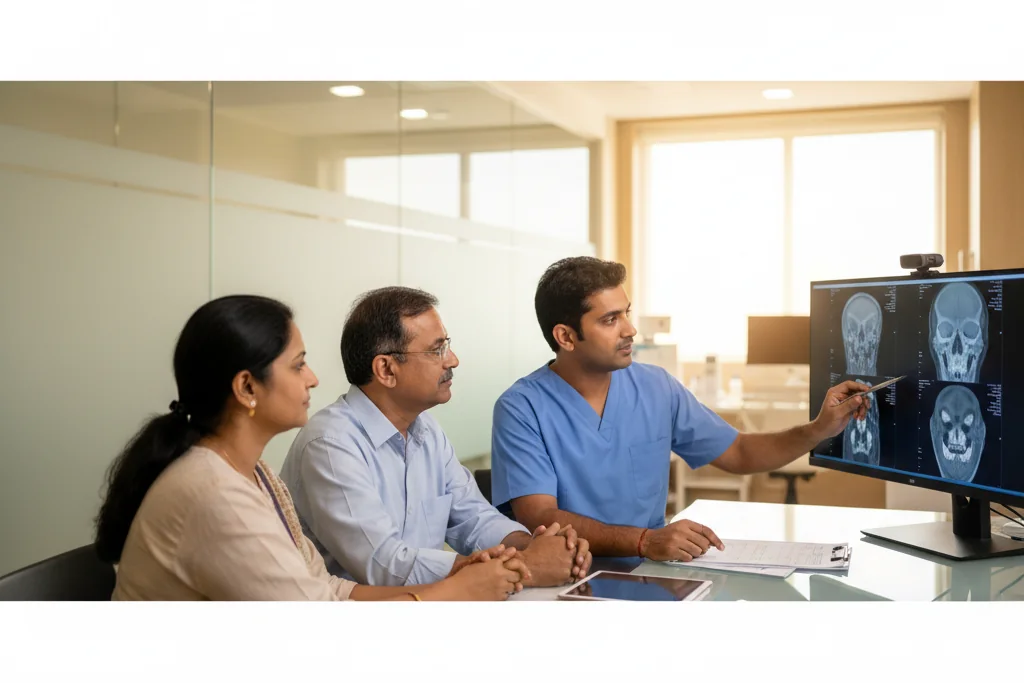
  • CT Scan (Computed Tomography): Quickly identifies bleeding or ischemic areas.
  • MRI (Magnetic Resonance Imaging): Provides detailed brain imaging to assess tissue damage.
  • Carotid Ultrasound: Evaluates narrowing or blockages in neck arteries.
  • Cerebral Angiography: Maps blood flow in brain vessels.
  • Blood Tests: Check for clotting disorders, cholesterol, sugar, and infection.
  • Electrocardiogram (ECG): Detects irregular heart rhythms like atrial fibrillation.
  • Echocardiogram: Identifies cardiac sources of embolism.

THANC Hospital is equipped with cutting-edge diagnostic technology, including rapid-response CT and MRI scanners, enabling immediate stroke evaluation and intervention. The hospital’s stroke team operates on an emergency basis, ensuring diagnosis and treatment begin within the “golden hour” — the first 60 minutes after onset, which is crucial for patient recovery.

Treatment Options for Stroke / Cerebrovascular Disease

Non-surgical / Medical Treatments

  1. Clot-dissolving Medications (Thrombolytics):
    For ischemic strokes, drugs such as tissue plasminogen activator (tPA) can dissolve clots if administered within 4.5 hours of symptom onset.
  2. Antiplatelet and Anticoagulant Drugs:
    Medications like aspirin or warfarin help prevent new clot formation.
  3. Blood Pressure and Cholesterol Control:
    Antihypertensive and lipid-lowering drugs reduce the risk of recurrent strokes.
  4. Diabetes Management:
    Controlling blood sugar prevents vascular complications.
  5. Rehabilitation Therapy:
    Physical, occupational, and speech therapy help regain movement, function, and communication abilities after a stroke.
  6. Lifestyle Modification Programs:
    Counseling on diet, smoking cessation, and exercise improves long-term vascular health.

Surgical / Advanced Treatments

  1. Endovascular Thrombectomy:
    A minimally invasive procedure where a catheter is used to remove clots from large arteries. It’s highly effective when performed within six hours of symptom onset.
  2. Carotid Endarterectomy:
    Surgical removal of plaque buildup in the carotid arteries to restore blood flow and prevent future strokes.
  3. Aneurysm Clipping or Coiling:
    Used for hemorrhagic strokes to stop bleeding and prevent re-rupture.
  4. Craniotomy (Decompression Surgery):
    In severe cases, pressure relief surgery may be performed to prevent brain swelling.

THANC Hospital provides comprehensive stroke management, integrating medical, interventional, and surgical expertise. Its advanced neurointerventional unit performs emergency thrombectomies, while specialized neurosurgeons handle complex cerebrovascular surgeries with precision and safety.

For post-treatment recovery, the hospital offers customized neuro-rehabilitation programs, including physiotherapy, occupational therapy, and speech-language therapy, to help patients regain independence and quality of life.

Prevention & Lifestyle Tips

Preventing stroke or cerebrovascular disease largely depends on controlling risk factors and maintaining a heart-healthy lifestyle. Key recommendations include:

  • Monitor Blood Pressure Regularly: Keep it under control through medication and diet.
  • Maintain Healthy Cholesterol Levels: Eat balanced meals rich in fruits, vegetables, and whole grains.
  • Exercise Regularly: Aim for at least 30 minutes of physical activity daily.
  • Avoid Tobacco and Limit Alcohol: Both significantly increase stroke risk.
  • Manage Diabetes: Monitor blood sugar and follow medical advice consistently.
  • Maintain a Healthy Weight: Obesity contributes to hypertension and vascular damage.
  • Reduce Stress: Practice relaxation techniques like meditation or yoga.
  • Routine Health Screenings: Early detection of hypertension, atrial fibrillation, and high cholesterol can prevent strokes before they occur.

Leading a healthy lifestyle and addressing underlying health issues significantly reduce the risk of recurrent or first-time strokes.

Why Choose THANC Hospital for Stroke / Cerebrovascular Disease?

THANC Hospital Chennai stands as a center of excellence in neurology and stroke care, offering comprehensive management for all cerebrovascular conditions. Its dedicated stroke unit is supported by:

  • Round-the-clock neurologist availability for emergency stroke response.
  • Rapid imaging and laboratory diagnostics for immediate treatment decisions.
  • Advanced neurointerventional and neurosurgical capabilities.
  • Integrated ICU and post-stroke rehabilitation facilities.
  • Multidisciplinary care involving neurologists, neurosurgeons, radiologists, cardiologists, and rehabilitation experts.

The hospital emphasizes evidence-based treatment, personalized patient care, and long-term recovery planning, ensuring each patient achieves the best possible outcome. With years of experience and state-of-the-art facilities, THANC Hospital is recognized as one of Chennai’s trusted destinations for stroke and cerebrovascular disease management.

Frequently Asked Questions (FAQs)

Is Stroke or Cerebrovascular Disease curable?

While complete recovery depends on the severity and type of stroke, early treatment and rehabilitation can lead to significant improvement. Many patients regain function and live healthy lives after timely intervention.

What is the best treatment for Stroke or Cerebrovascular Disease?

Treatment varies based on the type. Ischemic strokes benefit from clot-busting drugs and thrombectomy, while hemorrhagic strokes require surgical control of bleeding and intracranial pressure management.

Can lifestyle changes help manage or prevent Stroke?

Yes. Controlling blood pressure, avoiding smoking, maintaining a healthy diet, and engaging in regular exercise are vital in preventing both first-time and recurrent strokes.

How do I know if I need to see a doctor for stroke symptoms?

If you notice sudden weakness, speech difficulties, or vision loss, seek medical help immediately. Do not wait for symptoms to subside — prompt treatment is crucial.

Can a person recover fully after a stroke?

Recovery depends on the brain area affected and the speed of treatment. With proper rehabilitation, many regain significant independence within months.

Is a Transient Ischemic Attack (TIA) dangerous?

Yes. Though temporary, a TIA is a major warning sign for a future stroke and should be evaluated urgently to prevent further complications.