
Thyroidectomy — Safe, Nerve-Sparing Thyroid Surgery
Experienced head & neck team • Nerve-sparing technique • Personalised care

About Thyroidectomy at THANC
Thyroidectomy is the surgical removal of part or all of the thyroid gland. At THANC Hospital, our head and neck surgeons perform thyroid lobectomy, near-total and total thyroidectomy — as well as central and lateral neck dissection when needed for cancer. Every case is planned around protecting the recurrent laryngeal nerve (which controls the voice) and the parathyroid glands (which regulate calcium). We use modern nerve monitoring, meticulous dissection and a minimal, well-placed incision in a natural skin crease so the scar is as discreet as possible.
Thyroidectomy Cost in Chennai
The cost of a thyroidectomy depends on how much of the gland is removed, whether lymph nodes also need to be removed, and the tests and hospital stay your case needs. We do not quote a single figure before we have examined you and reviewed your ultrasound and biopsy results.
After your assessment, our team gives you a written, itemised estimate covering the surgery, theatre, anaesthesia, hospital stay and routine medicines. Our insurance desk can help with your health insurance paperwork.
What affects the cost
- Hemithyroidectomy (half the gland) or total thyroidectomy
- Neck dissection when thyroid cancer has spread to lymph nodes
- Nerve monitoring during surgery to protect your voice
- Pre-operative tests such as ultrasound and FNAC
- Frozen-section and final histopathology
- Length of hospital stay and follow-up visits
Who Needs Thyroidectomy?
You may be a candidate if you experience any of the following:
- Thyroid nodules that are suspicious or cancerous on biopsy
- Large or symptomatic goitre causing neck swelling, pressure or breathing difficulty
- Hyperthyroidism not controlled by medication or radioactive iodine
- Retrosternal goitre extending behind the breastbone
- Recurrent thyroid cysts after repeated aspiration
- Graves' disease when surgery is the preferred treatment
What to Expect
A clear step-by-step view of your treatment journey at THANC.
- 1
Pre-operative Work-up
A detailed head and neck examination, thyroid function tests, neck ultrasound and — where indicated — fine needle aspiration cytology are done. A flexible laryngoscopy checks vocal cord function before surgery so any change can be identified and treated accurately.
- 2
The Surgery
Performed under general anaesthesia through a small, well-placed incision in a natural neck crease. The surgeon carefully identifies and protects the recurrent laryngeal nerve and parathyroid glands, often using intra-operative nerve monitoring. The diseased portion of the thyroid is removed and sent for histopathology.
- 3
Recovery in Hospital
Most patients stay one night in hospital for observation of voice, calcium levels and wound comfort. Drains, if used, are removed before discharge. Pain is generally mild and well controlled with oral medication.
- 4
Follow-up & Healing
The neck wound heals quickly and fades into the skin crease over months. Thyroid hormone replacement, if required, is started early and fine-tuned at the first endocrine review around 4 to 6 weeks. Final histopathology guides any further treatment for cancer cases.
The THANC Thyroid Surgery Advantage
Thyroid surgery is a delicate balance — remove the disease fully, but protect the nerve that controls your voice and the tiny parathyroid glands that regulate your calcium. THANC's head and neck team plans every thyroidectomy around those two goals, combining meticulous dissection, intra-operative nerve monitoring and a multidisciplinary review with endocrinology for long-term care.
- Dedicated head and neck surgeons with dedicated thyroid experience
- Intra-operative recurrent laryngeal nerve monitoring for voice protection
- Meticulous parathyroid preservation to protect calcium balance
- Multidisciplinary endocrine and oncology review for every cancer case
- Incision placed in a natural neck crease for a discreet, fine scar
- Written, case-specific estimate prepared after imaging and biopsy review
Frequently Asked Questions
How long will I need to stay in hospital after thyroidectomy?
Will thyroid surgery change my voice?
How visible will the scar be after thyroidectomy?
Will I need to take thyroid tablets after surgery?
Will THANC provide a personalised estimate for my thyroidectomy case?
How soon can I return to normal activity after thyroid surgery?
Does health insurance cover thyroidectomy?
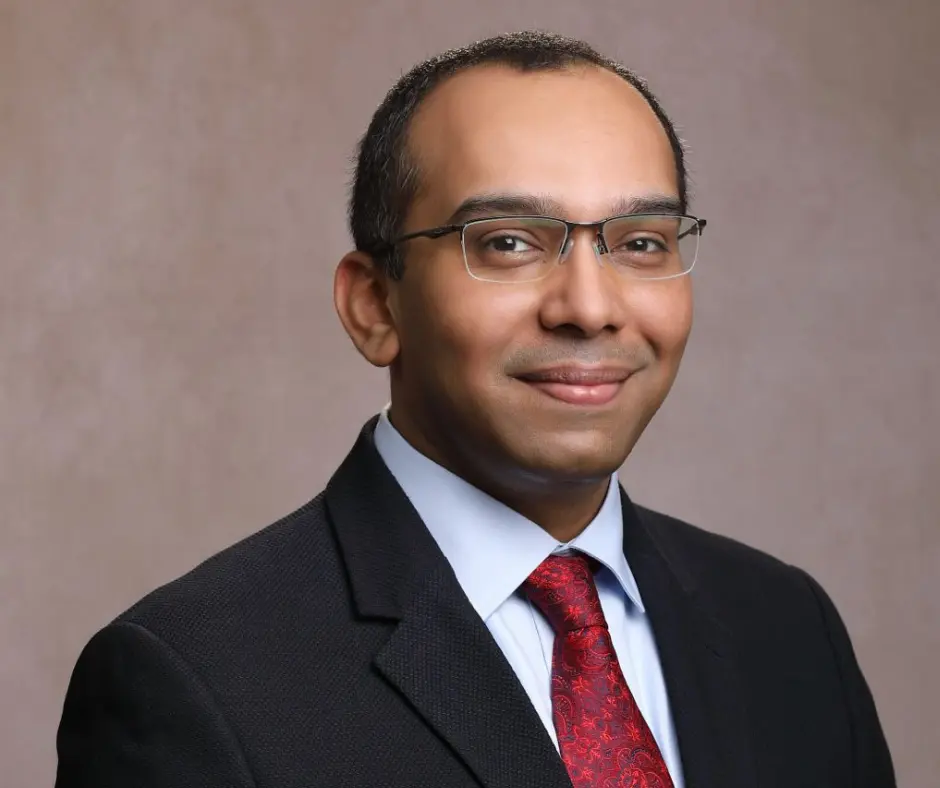
Surgeons Who Perform Thyroidectomy
Related Head & Neck Cancer Surgery
Related Reading
Patient guides and educational articles on related topics.
Book a Consultation
Meet our head and neck team to plan thyroid surgery around your voice, calcium balance and long-term care.
Getting to THANC Hospital, Kilpauk
THANC Hospital is on Poonamallee High Road, opposite Pachaiyappa's College and close to Kilpauk Medical College. It is well connected by bus, metro and auto.
Easy to reach from Anna Nagar, Egmore, Purasawalkam, Chetpet, Aminjikarai and Ayanavaram.
Address: No.747, Poonamallee High Road, Alagappa Nagar, Kilpauk, Chennai – 600 010
Book a Consultation
Meet our senior surgeons to discuss Thyroidectomy for your case.
Book Appointment+91 73977 68795Part of the Thyroid & Parathyroid Surgery Department
Explore our full range of services in this speciality.
Visit Thyroid & Parathyroid SurgeryThyroidectomy at THANC
- Dedicated head and neck surgeons with dedicated thyroid experience
- Intra-operative recurrent laryngeal nerve monitoring for voice protection
- Meticulous parathyroid preservation to protect calcium balance
- Multidisciplinary endocrine and oncology review for every cancer case