What is Lung Cancer?
Lung cancer is a serious disease that begins when abnormal cells in the lungs grow uncontrollably, forming a mass or tumor that interferes with normal lung function. These cancerous cells can spread (metastasize) to other parts of the body if not detected early. It is one of the most common cancers worldwide and remains a leading cause of cancer-related deaths among both men and women.
Lung cancer is particularly concerning because early stages often show no clear symptoms. Many patients are diagnosed only after the disease has progressed, making timely screening and awareness vital. Smoking remains the primary cause, but non-smokers can also develop lung cancer due to factors such as air pollution, genetic mutations, or exposure to carcinogens.
THANC Hospital Chennai provides comprehensive lung cancer care through advanced diagnostic facilities, minimally invasive treatments, and a multidisciplinary team of oncologists, pulmonologists, and thoracic surgeons. The hospital emphasizes early detection, precision treatment, and patient-centered care to improve outcomes and quality of life.
Understanding Lung Cancer
Lung cancer develops when cells in the lung tissue undergo genetic changes that cause them to multiply uncontrollably. Over time, these abnormal cells form tumors that can block airways and impair breathing.
Types of Lung Cancer
There are two primary types, categorized by the kind of cells involved:
- Non–Small Cell Lung Cancer (NSCLC) – Represents about 85% of all lung cancer cases and includes:
- Adenocarcinoma
- Squamous cell carcinoma
- Large cell carcinoma
- Adenocarcinoma
- Small Cell Lung Cancer (SCLC) – A more aggressive form that spreads rapidly, often linked to heavy smoking.
Causes of Lung Cancer
The main causes and contributing factors include:
- Tobacco smoking – The leading cause, responsible for the majority of cases.
- Exposure to secondhand smoke – Increases risk even among non-smokers.
- Air pollution – Long-term exposure to polluted air or industrial emissions.
- Occupational exposure – Contact with asbestos, radon gas, or other carcinogens.
- Genetic predisposition – Family history or inherited mutations.
- Previous radiation therapy – Especially to the chest area.
Risk Factors
Individuals are at higher risk if they:
- Are smokers or former smokers
- Are frequently exposed to passive smoke
- Work in environments with asbestos or chemicals
- Have a family history of lung or other cancers
- Suffer from chronic lung conditions such as COPD
- Are aged 50 or older
Who is Affected
While lung cancer is most common among older adults with a history of smoking, a growing number of non-smokers and younger individuals are being diagnosed due to environmental and genetic factors. Men have historically been more affected, but rates among women are steadily increasing.
Common Symptoms of Lung Cancer
Lung cancer symptoms may vary depending on the type, stage, and location of the tumor. Many early-stage patients are asymptomatic, making screening essential for those at risk.
Key Symptoms
- Persistent cough that does not go away or worsens over time
- Chest pain or discomfort while breathing or coughing
- Shortness of breath and wheezing
- Coughing up blood (hemoptysis)
- Unexplained weight loss and loss of appetite
- Chronic fatigue or weakness
- Hoarseness or changes in voice
- Recurrent respiratory infections, such as bronchitis or pneumonia
- Swelling in the neck or face, indicating lymph node involvement
When to Seek Medical Help
Immediate medical evaluation is advised if you experience:
- Persistent cough lasting more than three weeks
- Coughing up blood or rust-colored phlegm
- Sudden weight loss or unexplained fatigue
- Shortness of breath during routine activities
- Chest pain that worsens with deep breathing or laughter
- New or worsening hoarseness
Prompt consultation with a lung specialist or oncologist can enable early diagnosis and significantly improve survival rates.
Diagnosis of Lung Cancer
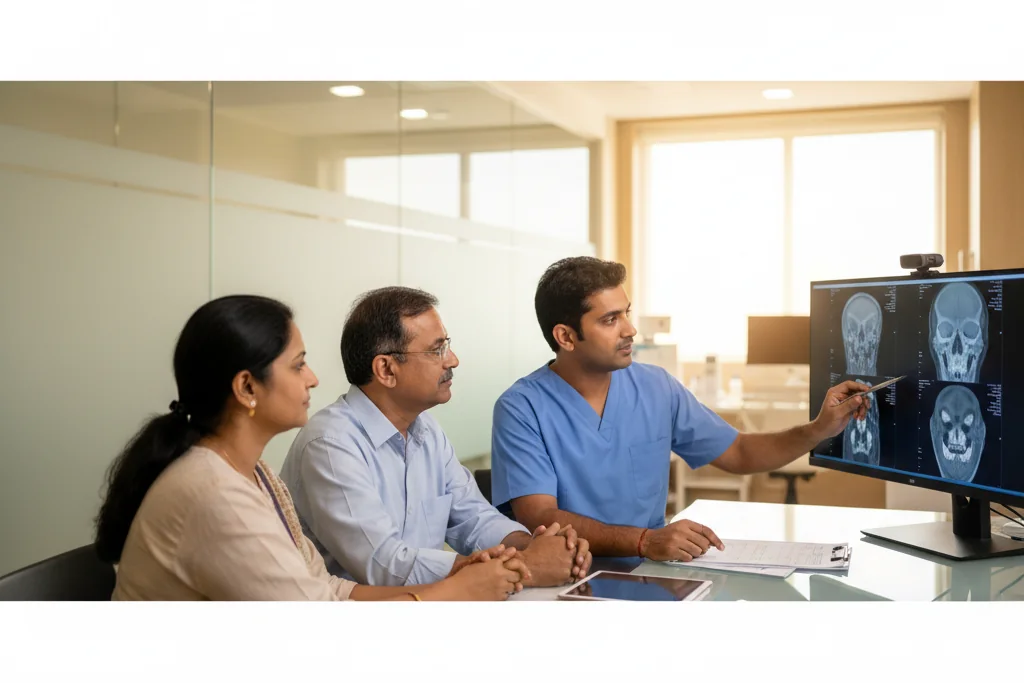
Diagnosing lung cancer involves several steps, including physical evaluation, imaging, and laboratory analysis. Early and accurate detection is crucial for effective treatment planning.
Diagnostic Tests and Procedures
- Imaging Studies
- Chest X-ray: First-line imaging test to detect masses or abnormalities.
- CT Scan (Computed Tomography): Provides detailed cross-sectional images of the lungs.
- PET-CT Scan: Helps determine the cancer’s stage and whether it has spread.
- MRI or Brain Scan: Used when metastasis is suspected.
- Chest X-ray: First-line imaging test to detect masses or abnormalities.
- Laboratory and Cytology Tests
- Sputum cytology: Examines mucus for cancer cells.
- Blood tests: Evaluate organ function and detect tumor markers.
- Sputum cytology: Examines mucus for cancer cells.
- Biopsy Procedures
- Bronchoscopy: A flexible tube is inserted into the lungs to collect tissue samples.
- CT-guided needle biopsy: Removes small tissue fragments for microscopic analysis.
- Mediastinoscopy or surgical biopsy: Used when deeper tissue sampling is needed.
- Bronchoscopy: A flexible tube is inserted into the lungs to collect tissue samples.
- Molecular Testing
- Identifies genetic mutations (e.g., EGFR, ALK, KRAS) to guide targeted therapy.
THANC Hospital Chennai is equipped with advanced radiology units, PET-CT scanners, and specialized pathology labs that enable early and precise detection. Its multidisciplinary tumor board reviews each case to customize treatment plans based on tumor stage, genetic markers, and overall patient health.
Treatment Options for Lung Cancer
Treatment for lung cancer depends on the type, stage, and patient’s overall health. The goal is to remove or destroy cancer cells, manage symptoms, and enhance quality of life. THANC Hospital’s oncology team uses an evidence-based, patient-centered approach supported by cutting-edge technology.
Non-Surgical / Medical Treatments
- Chemotherapy
- Uses powerful drugs to destroy cancer cells or prevent their growth.
- Administered intravenously or orally, often in cycles.
- May be combined with surgery or radiation for better outcomes.
- Uses powerful drugs to destroy cancer cells or prevent their growth.
- Radiation Therapy
- High-energy rays target and kill cancer cells while sparing healthy tissue.
- Techniques include IMRT (Intensity-Modulated Radiation Therapy) and SBRT (Stereotactic Body Radiation Therapy) for precise delivery.
- High-energy rays target and kill cancer cells while sparing healthy tissue.
- Targeted Therapy
- Designed for patients whose tumors carry specific genetic mutations.
- Drugs such as osimertinib, erlotinib, or crizotinib target cancer growth at the molecular level, with fewer side effects.
- Designed for patients whose tumors carry specific genetic mutations.
- Immunotherapy
- Boosts the body’s immune response to recognize and destroy cancer cells.
- Medications like nivolumab and pembrolizumab have revolutionized treatment for advanced lung cancer.
- Boosts the body’s immune response to recognize and destroy cancer cells.
- Palliative and Supportive Care
- Focuses on symptom control, pain relief, and emotional well-being throughout treatment.
- Includes nutritional counseling, physiotherapy, and psychological support.
- Focuses on symptom control, pain relief, and emotional well-being throughout treatment.
- Lifestyle Recommendations
- Quit smoking immediately to prevent recurrence.
- Balanced diet rich in fruits, vegetables, and lean proteins.
- Moderate exercise to improve lung capacity and reduce fatigue.
- Adequate rest and stress management for better treatment response.
- Quit smoking immediately to prevent recurrence.
Surgical / Advanced Treatments
Surgery remains a cornerstone for early-stage lung cancer. The type of surgery depends on tumor size, location, and spread.
- Lobectomy: Removal of one lung lobe – the most common curative surgery.
- Segmentectomy or Wedge Resection: Removes smaller parts of the lung for limited disease.
- Pneumonectomy: Removal of an entire lung in extensive cases.
- Video-Assisted Thoracoscopic Surgery (VATS): Minimally invasive approach for quicker recovery.
- Robotic-assisted lung surgery: Offers enhanced precision with minimal scarring and reduced recovery time.
Patients at THANC Hospital Chennai benefit from modern surgical suites, thoracic surgery expertise, and post-operative intensive care support. The hospital’s integration of surgical precision and oncological care ensures optimal survival outcomes.
Prevention & Lifestyle Tips
Although not all lung cancers are preventable, lifestyle changes and risk management can dramatically reduce the likelihood of developing the disease.
Tips for Preventing Lung Cancer
- Avoid smoking and exposure to secondhand smoke.
- Get screened regularly if you have a history of heavy smoking or occupational exposure.
- Use protective masks in polluted or industrial environments.
- Test your home for radon gas, especially in high-risk areas.
- Follow a balanced diet rich in antioxidants.
- Engage in regular physical activity to improve lung health.
- Limit alcohol consumption and maintain a healthy weight.
- Schedule annual medical check-ups to detect abnormalities early.
Healthy Lifestyle for Risk Reduction
- Maintain good air quality in your surroundings.
- Practice deep-breathing exercises and lung-strengthening activities like yoga.
- Ensure adequate hydration to keep respiratory passages clear.
- Manage stress through meditation and relaxation techniques.
These preventive habits, combined with professional medical guidance, contribute to long-term lung health and overall wellness.
Why Choose THANC Hospital for Lung Cancer Treatment?
THANC Hospital Chennai is a center of excellence for lung cancer care, combining clinical expertise with advanced technology. Every patient receives a personalized care plan designed by a multidisciplinary team to ensure precision at every stage—from diagnosis to recovery.
Key Strengths
- Expert Oncologists and Thoracic Surgeons: Skilled professionals specializing in all stages of lung cancer.
- Advanced Diagnostic Facilities: PET-CT, bronchoscopy, molecular testing, and biopsy services under one roof.
- Comprehensive Treatment Approach: Integration of surgery, radiation, chemotherapy, and targeted therapies.
- Minimally Invasive and Robotic Surgeries: Reduced pain, faster recovery, and better outcomes.
- State-of-the-Art Infrastructure: Fully equipped ICU and post-operative care units.
- Holistic Support System: Including palliative care, physiotherapy, and nutritional counseling.
- Patient-Centric Philosophy: Emphasis on comfort, transparency, and long-term well-being.
The hospital’s commitment to clinical excellence and innovation ensures that each patient receives world-class cancer care aligned with international standards.
Frequently Asked Questions (FAQs)
1. Is lung cancer curable?
Yes, lung cancer is curable when detected early. Surgical removal of tumors, combined with targeted therapy or radiation, offers high success rates in early stages.
2. What is the best treatment for lung cancer?
Treatment depends on the type and stage. Early-stage disease may require surgery, while advanced cases often respond well to a combination of chemotherapy, targeted therapy, or immunotherapy.
3. Can lifestyle changes help manage lung cancer?
Absolutely. Quitting smoking, maintaining a healthy diet, and engaging in regular exercise can support recovery and enhance treatment effectiveness.
4. How do I know if I need to see a doctor for lung cancer?
Consult a doctor if you have persistent cough, chest pain, unexplained weight loss, or shortness of breath lasting more than a few weeks.
5. What are the early warning signs of lung cancer?
Early signs include a chronic cough, voice changes, shortness of breath, and recurring respiratory infections. Any of these warrant medical evaluation.
6. Can non-smokers get lung cancer?
Yes, around 15–20% of lung cancer cases occur in non-smokers due to environmental exposure, genetics, or air pollution.
7. How is lung cancer staged?
Lung cancer is staged based on tumor size, lymph node involvement, and metastasis. Imaging and biopsy results determine whether it’s Stage I (localized) or Stage IV (advanced).
8. Does early screening really help?
Yes. Low-dose CT scans can detect cancer at earlier, more treatable stages, significantly improving survival rates in high-risk individuals.