What is Leukemia and Lymphoma?
Leukemia and lymphoma are types of blood cancers that affect the body’s immune and blood-forming systems. Leukemia begins in the bone marrow, where abnormal white blood cells multiply uncontrollably and interfere with normal blood production. Lymphoma, on the other hand, originates in the lymphatic system — a crucial part of the body’s immune defense — and leads to the growth of malignant lymphocytes in the lymph nodes and other organs.
These cancers are among the most common hematologic malignancies seen in both adults and children. Early diagnosis and modern treatments have dramatically improved survival rates in recent years.
THANC Hospital Chennai offers advanced, evidence-based care for leukemia and lymphoma through its dedicated team of hematologists and oncologists. The hospital combines precision diagnostics, state-of-the-art treatment technologies, and compassionate patient support to deliver the highest quality of care.
Understanding Leukemia and Lymphoma
Both leukemia and lymphoma originate from abnormalities in white blood cells but differ in where and how they develop. Understanding their causes, risk factors, and impact can help patients and families take timely action.
Causes and Risk Factors
The exact causes of leukemia and lymphoma are not fully known, but several risk factors have been identified:
- Genetic mutations: Changes in specific genes can cause abnormal cell growth in bone marrow or lymph nodes.
- Radiation and chemical exposure: Long-term exposure to radiation or chemicals like benzene increases cancer risk.
- Viral infections: Certain viruses such as Epstein–Barr virus (EBV), Human T-cell leukemia virus (HTLV-1), and hepatitis viruses are linked to lymphomas and leukemias.
- Weakened immune system: Individuals with autoimmune diseases or those taking immunosuppressive drugs after organ transplants are at higher risk.
- Family history: A close relative with a blood cancer slightly elevates one’s chances.
- Age and gender: Leukemia is more frequent in children and older adults, while lymphoma tends to occur more often in middle-aged or elderly individuals.
Who is Affected?
Leukemia and lymphoma can occur in people of any age. However:
- Acute lymphoblastic leukemia (ALL) is more common in children.
- Chronic lymphocytic leukemia (CLL) and non-Hodgkin lymphoma (NHL) are typically seen in older adults.
- Hodgkin lymphoma (HL) often affects young adults between 15 and 35 years.
Awareness of risk factors and early symptoms is key to improving outcomes through prompt diagnosis and treatment.
Common Symptoms of Leukemia and Lymphoma
Although symptoms vary based on the type and stage of disease, most blood cancers share several warning signs that should not be ignored.
Key Symptoms
Patients may experience one or more of the following:
- Persistent fatigue and weakness
- Frequent or recurrent infections
- Unexplained fever, night sweats, or chills
- Swelling of lymph nodes in the neck, armpits, or groin
- Easy bruising or bleeding (nosebleeds, gum bleeding, or petechiae)
- Shortness of breath or pale skin
- Bone or joint pain
- Loss of appetite and unintended weight loss
- Abdominal discomfort or fullness (due to enlarged spleen or liver)
When to Seek Medical Help
You should consult a hematologist or oncologist immediately if you notice:
- Persistent or painless lymph node swelling lasting more than two weeks
- Frequent unexplained fevers or recurrent infections
- Continuous fatigue and weakness not related to workload or stress
- Sudden unexplained bleeding, bruises, or paleness
- Weight loss exceeding 5–10% of body weight in a short time
Early medical attention allows for timely testing and increases the effectiveness of treatment significantly.
Diagnosis of Leukemia and Lymphoma
Accurate diagnosis is vital to distinguish between different subtypes and stages, as treatment strategies vary widely.
THANC Hospital Chennai provides comprehensive diagnostic facilities for hematologic malignancies, combining advanced imaging, laboratory analysis, and molecular profiling for precise results.
Diagnostic Tests and Screenings
- Complete Blood Count (CBC): Detects abnormal levels of white and red blood cells and platelets.
- Peripheral blood smear: Examines cell shape and size under a microscope.
- Bone marrow aspiration and biopsy: Confirms leukemia by analyzing marrow cells for abnormal growth.
- Lymph node biopsy: Determines lymphoma type and stage.
- Flow cytometry: Identifies the type of cancer cells using surface markers.
- Cytogenetic and molecular testing: Detects chromosomal changes (like Philadelphia chromosome in chronic myeloid leukemia).
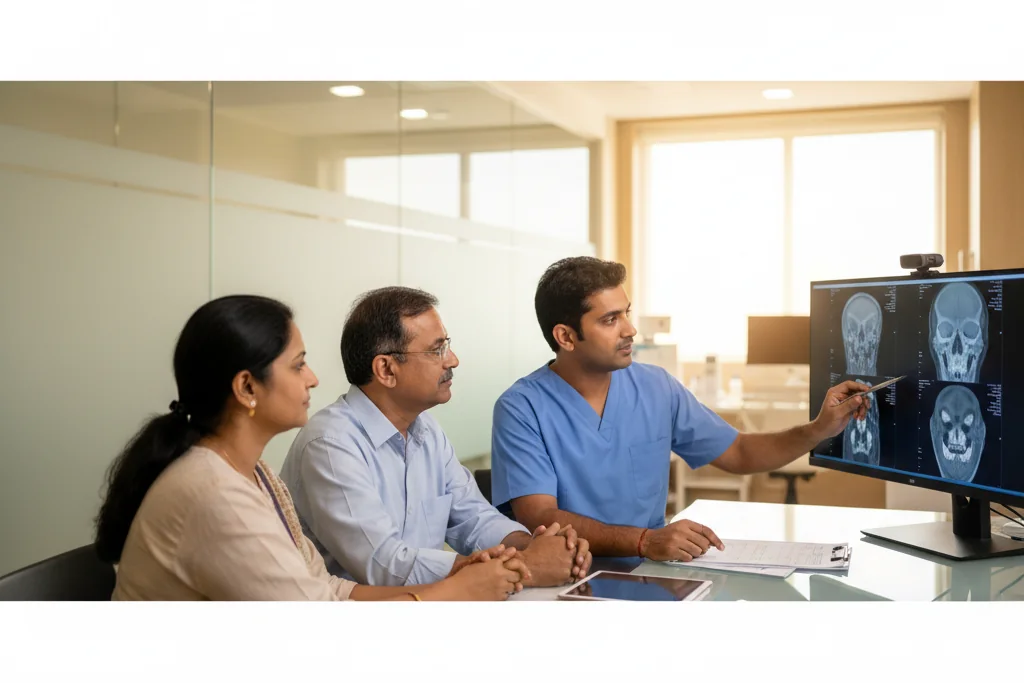
- Imaging studies: CT, PET-CT, or MRI scans assess lymph node involvement and disease spread.
The integration of next-generation sequencing (NGS) and immunohistochemistry at THANC ensures precise disease characterization, enabling highly targeted therapy plans for each patient.
Treatment Options for Leukemia and Lymphoma
Treatment depends on the specific diagnosis, stage, patient’s age, and overall health. The objective is to destroy cancer cells, restore normal blood formation, and prevent relapse.
A multidisciplinary team of specialists—including hematologists, medical oncologists, radiation oncologists, and transplant experts—collaborates to deliver comprehensive care.
Non-surgical / Medical Treatments
- Chemotherapy:
A cornerstone of treatment, chemotherapy uses specific drug combinations to kill or inhibit cancer cell growth. Regimens like CHOP for lymphoma or Cytarabine-based protocols for leukemia are tailored individually. - Targeted therapy:
These modern drugs act on genetic mutations or proteins that drive cancer growth (e.g., Imatinib for chronic myeloid leukemia, Rituximab for certain lymphomas). - Immunotherapy:
Harnesses the patient’s immune system to fight cancer. CAR-T cell therapy and monoclonal antibodies have shown exceptional results in resistant or relapsed cases. - Radiation therapy:
Used selectively for lymphomas, especially in early-stage or localized disease, to shrink enlarged lymph nodes. - Stem cell or bone marrow transplantation:
Recommended for advanced or relapsed leukemia/lymphoma. The procedure replaces diseased bone marrow with healthy donor stem cells, restoring normal blood production. - Supportive care:
Includes infection prevention, blood transfusions, pain management, and nutritional support to maintain overall health during therapy.
Surgical / Advanced Treatments
While surgery is not a primary treatment for leukemia or lymphoma, it may be used to:
- Obtain tissue samples from lymph nodes or bone marrow for biopsy.
- Manage complications such as enlarged spleen (splenectomy).
- Insert central venous catheters for chemotherapy delivery.
THANC Hospital’s oncology division employs the latest treatment modalities like precision radiotherapy, targeted chemotherapy infusion systems, and integrated stem cell transplant facilities to improve survival rates and enhance quality of life.
Prevention & Lifestyle Tips
Although leukemia and lymphoma cannot always be prevented, certain lifestyle practices can help lower risk and support overall health during recovery.
Risk Reduction and Healthy Living
- Avoid tobacco and alcohol: Smoking and excessive drinking are known carcinogens that weaken immune defenses.
- Eat a balanced diet: Include fresh fruits, vegetables, and whole grains to strengthen immunity.
- Limit chemical exposure: Use protective gear if working around industrial chemicals or radiation.
- Exercise regularly: Moderate activity supports circulation, reduces fatigue, and maintains energy.
- Manage stress: Yoga, meditation, and counseling can improve emotional well-being.
- Stay up to date with check-ups: Regular blood tests and health screenings help identify early abnormalities.
Following these preventive and lifestyle measures contributes to better health outcomes and lowers the likelihood of recurrence.
Why Choose THANC Hospital for Leukemia and Lymphoma?
THANC Hospital Chennai is a leading tertiary care center known for excellence in cancer management, particularly hematologic malignancies. The hospital’s integrated model combines cutting-edge diagnostics, precision therapy, and compassionate patient care.
Key Advantages
- Expert hematology and oncology team: Board-certified specialists with extensive experience in leukemia and lymphoma management.
- Comprehensive treatment ecosystem: One facility for diagnostics, chemotherapy, radiation, and stem cell transplantation.
- Advanced technologies: Next-generation molecular profiling, image-guided radiation, and CAR-T therapy access.
- Personalized care plans: Tailored treatment protocols based on disease subtype, genetic profile, and patient health.
- Holistic patient support: Counseling, physiotherapy, nutritional guidance, and survivorship programs for long-term wellness.
- Proven outcomes: High remission rates and successful transplants with patient-centered follow-up care.
Patients receive not only world-class medical expertise but also emotional and psychological support throughout their treatment journey — reaffirming THANC’s commitment to restoring hope and health.
Frequently Asked Questions (FAQs)
Is leukemia or lymphoma curable?
Yes, many types of leukemia and lymphoma are curable, especially when detected early and treated with modern targeted and immunotherapies. Long-term remission is possible for most patients with proper follow-up.
What is the best treatment for leukemia or lymphoma?
Treatment varies by cancer type and stage. Chemotherapy, targeted therapy, and bone marrow transplantation remain the most effective approaches, often used in combination.
Can lifestyle changes help manage leukemia or lymphoma?
Absolutely. Balanced nutrition, regular physical activity, and adequate rest enhance immune strength and help patients recover faster during and after treatment.
How do I know if I need to see a doctor for blood cancer?
If you experience persistent fatigue, swollen lymph nodes, unexplained bruising, or recurring infections, it’s important to consult a hematologist promptly for evaluation.
Does leukemia or lymphoma run in families?
A small percentage of cases have hereditary links. Genetic testing and counseling can identify risks early, especially for those with family history.
What is the survival rate for leukemia and lymphoma?
With advanced diagnostics and personalized therapies, survival rates have improved dramatically. Early detection, adherence to treatment, and post-therapy monitoring are key to long-term success.