
Upper GI Endoscopy in Chennai — Diagnostic Gastroscopy at THANC
Day-care procedure • Comfort sedation • Same-day discharge
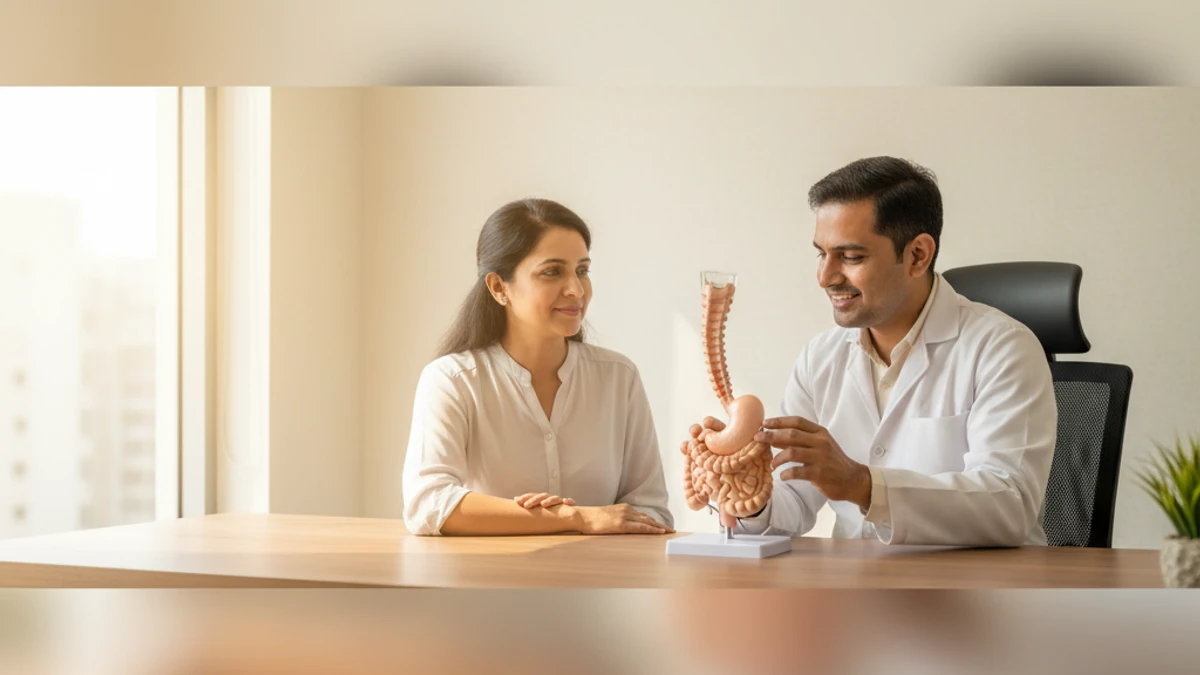
About Upper GI Endoscopy at THANC
Upper gastrointestinal endoscopy, medically termed esophagogastroduodenoscopy (EGD), is a crucial procedure employed to visually examine the lining of your oesophagus, stomach, and the initial segment of your small intestine (duodenum). This diagnostic and therapeutic tool is often recommended for evaluating persistent symptoms indicative of upper gastrointestinal disease, including chronic or recurring heartburn, difficulty or pain when swallowing (dysphagia or odynophagia), unexplained weight loss, persistent nausea or vomiting, anaemia of unknown origin, and chronic upper abdominal pain. Beyond visual inspection, an endoscopy allows for the collection of tissue samples (biopsies) for further analysis, which can confirm diagnoses such as malabsorption syndromes, infections, or neoplasms. The severity of conditions like erosive esophagitis, for instance, is often classified using systems such as the Los Angeles classification, which grades mucosal breaks based on their extent and continuity.
At THANC Hospital, our visiting medical gastroenterologists utilise advanced flexible endoscopy technology to perform this day-care procedure with precision. We prioritise your comfort, performing the endoscopy under light, conscious sedation to ensure a relaxed and generally painless experience. Our approach is clinician-led, ensuring that senior experts oversee every step of your care, from the pre-procedure consultation to post-procedure follow-up. We use the same procedure not only for detailed diagnosis but also for therapeutic interventions, such as removing polyps, dilating strictures, or managing active bleeding, all within a single session. Most patients are able to return home on the same day, with a clear understanding of their findings and next steps, supported by transparent written estimates of costs.
References
- 1. Esophagogastroduodenoscopy (EGD) — NCBI Bookshelf
- 2. Optimal Management of Erosive Esophagitis: An Evidence-based and Pragmatic Approach — PubMed Central
- 3. Upper GI Endoscopy — National Institute of Diabetes and Digestive and Kidney Diseases (NIDDK)
What to Expect
A clear step-by-step view of your treatment journey at THANC.
- 1
Pre-procedure Consultation and Preparation
Your journey begins with a thorough consultation with our medical gastroenterologist to review your symptoms, medical history, and any existing medications. Essential preparation includes fasting for six to eight hours prior to the procedure to ensure a clear view of your upper digestive tract and minimise aspiration risk. We will also discuss adjusting blood thinners or diabetic medications as needed, and a brief anaesthesia review will be conducted to plan for safe and effective sedation.
- 2
Sedation and Procedure
Upon arrival, you will receive light conscious sedation intravenously to help you relax and remain comfortable throughout the examination. A local anaesthetic spray may also be applied to your throat to minimise gag reflex. Our specialist will then gently guide a thin, flexible endoscope, equipped with a camera, through your mouth, oesophagus, stomach, and into the duodenum. Air may be gently introduced to distend the organs, allowing for a comprehensive visual inspection of the mucosal lining.
- 3
Post-procedure Observation and Discharge
Following the procedure, you will be moved to a recovery area where our nursing team will monitor you closely for one to two hours as the effects of the sedation wear off. Common mild sensations include a sore throat, bloating, or cramping, which typically subside quickly. Once stable and fully awake, and after receiving detailed post-procedure instructions, most patients are discharged on the same day, provided they have an adult escort to take them home.
- 4
Follow-up and Results
You will be advised to maintain a light diet on the day of the procedure and can usually resume your normal diet the following day. If biopsies were taken, the results are typically available within five to seven working days, and our team will contact you to discuss the findings and any necessary next steps. For therapeutic procedures, a short review visit may be scheduled to assess your recovery and the success of the intervention.
Why Choose THANC Hospital for Your Upper GI Endoscopy?
At THANC Hospital, we understand that undergoing an endoscopy can be a concern. Our dedicated team, led by senior medical gastroenterologists, ensures a patient-centric experience with a focus on safety, accuracy, and comfort. We are committed to providing deeply researched, evidence-based care, utilising the latest endoscopic techniques for both diagnosis and treatment. Our transparent approach means you receive clear information and cost estimates, empowering you to make informed decisions about your health.
- Senior medical gastroenterologists provide expert, hands-on care.
- Comfort sedation ensures a relaxed and generally painless procedure.
- Day-care procedure allows for convenient same-day discharge.
- Precise diagnosis and therapeutic interventions in one session.
- Transparent written estimates, consistently lower Chennai market rates.
- Modern flexible endoscopes for high-definition internal visualisation.
Frequently Asked Questions
What specific conditions can an upper GI endoscopy diagnose?
Will I experience pain during the upper GI endoscopy procedure?
How long does an upper GI endoscopy typically take to complete?
What are the potential risks or complications associated with an upper GI endoscopy?
What should I expect during the recovery period after the procedure?
When can I resume normal activities, including driving and eating, after the endoscopy?
How quickly will I receive the results of any biopsies taken during the endoscopy?
When should I contact THANC Hospital after my upper GI endoscopy?
Surgeons Who Perform Upper GI Endoscopy
Related Gastrointestinal & Bariatric Procedures
Related Reading
Patient guides and educational articles on related topics.
Medically reviewed by Dr. B. Harriprasad on 12 April 2026
MBBS, MD (Gen Med), DM (Medical Gastroenterology)
Book a Consultation
Speak with our visiting GI consultants to understand whether upper gi endoscopy is right for your case. We will review your history, examine you, and prepare a personalised treatment plan and estimate.
Book a Consultation
Meet our senior surgeons to discuss Upper GI Endoscopy for your case.
Book Appointment+91 73977 68795Part of the Gut Wellness Clinic Department
Explore our full range of services in this speciality.
Visit Gut Wellness ClinicUpper GI Endoscopy at THANC
- Senior medical gastroenterologists provide expert, hands-on care.
- Comfort sedation ensures a relaxed and generally painless procedure.
- Day-care procedure allows for convenient same-day discharge.
- Precise diagnosis and therapeutic interventions in one session.