
In this article
- What Is MASLD (Formerly NAFLD) and Why Does It Matter?
- Understanding Your Fatty Liver Grade: What Do Grade 1, 2, and 3 Mean?
- Can Fatty Liver Be Reversed? Your Action Plan for Liver Health
- When to Seek Specialist Care: Fibroscan, Biopsy, and Advanced Management
- Lifestyle Beyond Diet: Exercise, Coffee, and Other Considerations
- Medications and Bariatric Surgery for Advanced MASLD
- Frequently Asked Questions
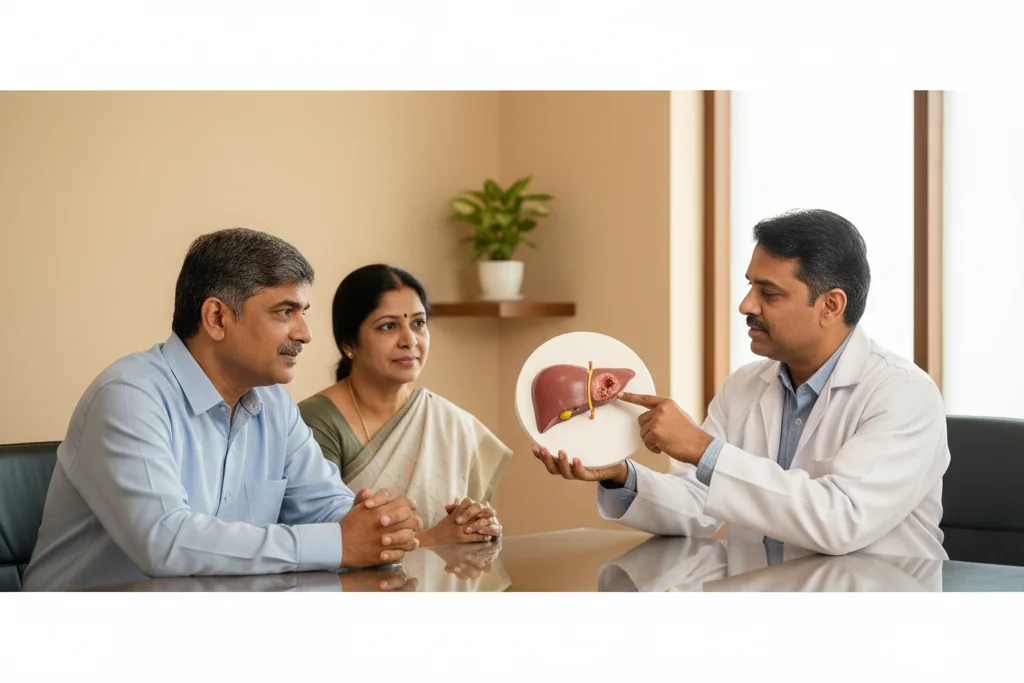
You’ve just received your routine health check-up results, and amongst the usual numbers, one phrase stands out: "Fatty Liver, Grade 1" or "Grade 2." For many urban Indian adults in Chennai, this diagnosis comes as a surprise, often with no noticeable symptoms. While your general practitioner might have advised weight loss and exercise, you're left wondering what this truly means for your health and if it can be reversed. This is a common scenario we encounter at THANC Hospital, where patients are seeking clarity and a concrete plan for fatty liver treatment in Chennai.
Fatty liver disease, now often referred to as Metabolic dysfunction-Associated Steatotic Liver Disease (MASLD), is a significant health concern, affecting a substantial portion of the Indian population. It's crucial to understand that while a fatty liver diagnosis can be alarming, especially in its early stages, it is often reversible with dedicated lifestyle changes. However, if ignored, it can progress to more serious conditions like inflammation, scarring (fibrosis), cirrhosis, and even liver cancer. Our gut wellness clinic department at THANC Hospital specialises in providing comprehensive care for such conditions, guiding you through every step of diagnosis and management. Learn more about our Gut Wellness Clinic.
What Is MASLD (Formerly NAFLD) and Why Does It Matter?
Until recently, the condition was known as Non-Alcoholic Fatty Liver Disease (NAFLD). However, in June 2023, a global consensus panel, including major liver associations like the American Association for the Study of Liver Diseases (AASLD) and the European Association for the Study of the Liver (EASL), updated the terminology to Metabolic dysfunction-Associated Steatotic Liver Disease (MASLD). This change better reflects the underlying metabolic issues driving the disease and helps reduce the stigma associated with the term "fatty liver."
MASLD is characterised by excessive fat accumulation in the liver (steatosis) in individuals who have at least one cardiometabolic risk factor, such as type 2 diabetes, obesity, high blood pressure, or high cholesterol, and do not consume harmful amounts of alcohol. This condition is now the leading cause of chronic liver disease globally and in India. In India, the prevalence of NAFLD (now MASLD) in the general adult population can vary significantly, with some studies reporting it as high as 38.6%. This figure is even higher in high-risk groups, such as those with type 2 diabetes, where the prevalence can reach 56.5%.
The progression of MASLD can be a spectrum:
- Steatosis: Simple fat accumulation in the liver.
- Metabolic dysfunction-Associated Steatohepatitis (MASH): Formerly NASH, this is a more severe form where fat accumulation is accompanied by inflammation and liver cell damage.
- Fibrosis: Persistent inflammation leads to scarring of the liver tissue.
- Cirrhosis: Severe, irreversible scarring that impairs liver function.
- Hepatocellular Carcinoma (HCC): Liver cancer, which can develop in cirrhotic livers.
For South Asians, MASLD presents a unique challenge, often manifesting as "lean NAFLD" where individuals develop the condition at lower Body Mass Index (BMI) compared to Western populations. This is often attributed to differences in visceral fat distribution and a tendency towards ApoB-rich dyslipidaemia.
Understanding Your Fatty Liver Grade: What Do Grade 1, 2, and 3 Mean?
When your ultrasound report mentions "fatty liver Grade 1, 2, or 3," it refers to the extent of fat accumulation visible on the imaging. These grades are a common way for radiologists to describe the severity of steatosis, but it is important to remember that ultrasound alone cannot detect inflammation or fibrosis.
Here's a breakdown of what each grade generally indicates:
-
Grade 1 Fatty Liver (Mild Steatosis): This is the earliest and mildest stage, where fat constitutes approximately 5-33% of the liver's weight. On ultrasound, the liver appears slightly brighter than the kidney, and the diaphragm and blood vessels within the liver are still clearly visible. Most patients at this stage experience no symptoms, though some might report mild fatigue or a slight heaviness in the right upper abdomen. Grade 1 MASLD is almost always reversible with sustained lifestyle changes.
-
Grade 2 Fatty Liver (Moderate Steatosis): In this stage, fat content is typically between 33-66% of the liver's weight. The liver appears significantly brighter on ultrasound, and the deep blood vessels and diaphragm may start to become obscured. At Grade 2, many patients begin to experience more noticeable symptoms like constant tiredness, bloating, indigestion, or mild discomfort on the right side of the abdomen. This stage indicates that fat has been accumulating for a while, and your metabolism may be struggling, often with underlying insulin resistance or prediabetes. Aggressive lifestyle intervention is crucial here.
-
Grade 3 Fatty Liver (Severe Steatosis): This is the most advanced stage of fat accumulation, with over 66% of the liver's weight being fat. The liver appears very bright on ultrasound, and the diaphragm and deep hepatic vessels are often no longer visible. Grade 3 MASLD is a significant medical red flag, carrying a higher risk of progressing to MASH, where inflammation and scarring begin. Symptoms can include persistent weakness, pain, loss of appetite, and in severe cases, even yellowing of the skin or eyes. Immediate medical supervision is essential to prevent progression to cirrhosis and liver failure.
It is vital to understand that the ultrasound grade primarily reflects fat content. It does not directly tell us if inflammation (MASH) or scarring (fibrosis) has already started, which are the real drivers of liver damage and progression to cirrhosis. A patient with Grade 2 fatty liver and active inflammation could be at higher risk than a patient with Grade 3 without inflammation. This is why further evaluation beyond a simple ultrasound is often necessary.
Can Fatty Liver Be Reversed? Your Action Plan for Liver Health
The good news is that MASLD is often reversible, especially in its earlier stages. The cornerstone of fatty liver treatment in Chennai, and globally, revolves around lifestyle modifications.
1. Weight Loss: The Most Potent Intervention Achieving and maintaining a healthy weight is the single most effective strategy for reversing MASLD.
- 7-10% Body Weight Loss: Losing 7-10% of your body weight has been shown to reverse steatosis (fat in the liver) in most cases and can even improve inflammation.
- 10%+ Body Weight Loss: For those with MASH and early fibrosis, a weight loss of 10% or more can lead to the resolution of MASH and even regression of fibrosis.
2. Dietary Modifications: An Indian-Adapted Approach Diet plays a pivotal role in managing MASLD. Focus on a balanced diet, often adapted from principles of the Mediterranean diet, which is rich in fruits, vegetables, whole grains, and healthy fats.
- Reduce Refined Carbohydrates and Sugars: Limit intake of sugary drinks, sweets, white bread, and processed foods. These contribute significantly to fat accumulation in the liver.
- Increase Fibre: Incorporate more whole grains, legumes, fruits, and vegetables into your diet. Fibre helps improve insulin sensitivity and gut health.
- Healthy Fats: Choose unsaturated fats found in nuts, seeds, olive oil, and avocados. Limit saturated and trans fats found in fried foods, processed snacks, and red meats.
- Lean Proteins: Include lean protein sources like fish, poultry, eggs, and pulses.
- Indian Food Adaptation: A traditional Indian diet, with an emphasis on whole grains (like ragi, bajra), lentils (dal), fresh vegetables, and fruits, prepared with minimal oil and spices, can be highly effective. Avoiding excessive sweets, deep-fried snacks, and rich gravies is key.
3. Regular Physical Activity Exercise complements dietary changes in managing MASLD.
- Moderate-Intensity Aerobic Exercise: Aim for at least 150 minutes per week of moderate-intensity aerobic activity, such as brisk walking, jogging, cycling, or swimming.
- Resistance Training: Incorporating resistance training (e.g., weightlifting, bodyweight exercises) two to three times a week can further improve insulin sensitivity and reduce liver fat.
4. Alcohol Consumption While MASLD is defined by non-harmful alcohol intake, even moderate alcohol consumption can be detrimental to liver health in individuals with existing MASLD. It is generally recommended to avoid alcohol completely if you have MASLD, especially if there is any evidence of inflammation or fibrosis. The World Health Organisation (WHO) recommends that alcohol should not be used as a preventive strategy for other health benefits.
5. Coffee: A Potential Protective Factor Interestingly, several studies suggest that moderate coffee consumption may be protective against liver diseases, including MASLD, cirrhosis, and even liver cancer. Coffee contains bioactive compounds like caffeine and chlorogenic acids, which have antioxidant, anti-inflammatory, and metabolic properties that can reduce hepatic fat accumulation and improve liver enzyme profiles. For most healthy adults, up to 400 mg of caffeine daily (approximately 4 cups of coffee) is considered safe.
When to Seek Specialist Care: Fibroscan, Biopsy, and Advanced Management
While lifestyle changes are crucial for fatty liver treatment in Chennai, it is equally important to know when to consult a specialist. At THANC Hospital, our team, including experts like Dr. B. Harriprasad, our senior consultant, provides specialised care for MASLD.
Non-Invasive Assessment for Fibrosis Risk: Since ultrasound grading alone cannot assess liver inflammation or scarring, further tests are often needed to determine the risk of progression to MASH and fibrosis, which are the strongest predictors of liver-related outcomes.
- Liver Enzymes (ALT/AST): Elevated liver enzymes can indicate ongoing liver inflammation and damage. If your ALT/AST levels are persistently high, it warrants further investigation.
- FIB-4 Score and NAFLD Fibrosis Score: These are simple, non-invasive blood-based scores that use routine blood test results (age, ALT, AST, platelet count) to estimate the likelihood of advanced fibrosis. They are excellent screening tools to identify patients who need further evaluation.
- Fibroscan (Transient Elastography): This is a specialised non-invasive test that measures liver stiffness, which correlates with the degree of fibrosis. It is a quick, painless procedure that uses ultrasound technology.
- When is a Fibroscan needed? It is typically recommended if your liver enzymes are elevated, you have diabetes, obesity, other metabolic risk factors, or a family history of cirrhosis.
- Fibroscan Test Cost in Chennai: The cost of a Fibroscan in Chennai can vary, generally ranging from ₹3,000 to ₹7,000, depending on the centre. At THANC Hospital, we ensure transparent pricing for all diagnostic services.
Liver Biopsy: When is it necessary? Historically, a liver biopsy was the gold standard for diagnosing MASH and assessing fibrosis. However, with advancements in non-invasive tests like Fibroscan and blood scores, liver biopsy is now reserved for specific situations, such as when there is diagnostic uncertainty, or to rule out other liver diseases. It is less commonly required in 2026, especially for initial diagnosis of MASLD.
Multidisciplinary Approach to Management: At THANC Hospital, we adopt a multidisciplinary approach to MASLD management. This involves not just hepatologists but also dieticians, bariatric surgeons (for severe cases), and endocrinologists to address associated metabolic conditions like diabetes and dyslipidaemia. This integrated care ensures that all aspects of your health are considered for the most effective fatty liver treatment in Chennai.
Lifestyle Beyond Diet: Exercise, Coffee, and Other Considerations
Beyond diet and targeted exercise, other lifestyle factors can significantly impact MASLD progression and overall liver health.
Exercise Specifics: The benefits of physical activity extend beyond weight loss. Regular exercise directly improves insulin sensitivity, reduces liver fat, and can decrease inflammation.
- Aerobic Exercise: Aim for at least 150 minutes of moderate-intensity aerobic exercise per week. This could be brisk walking, cycling, swimming, or dancing.
- Resistance Training: Incorporate strength training exercises at least twice a week. This helps build muscle mass, which further improves metabolism and fat burning.
Coffee and Liver Health: As mentioned, coffee consumption has been consistently linked to a lower risk of chronic liver disease, including MASLD and its progression. The protective effects are attributed to various bioactive compounds like chlorogenic acids, caffeine, and polyphenols, which possess antioxidant, anti-inflammatory, and anti-fibrotic properties. Even decaffeinated coffee appears to offer benefits.
Differential Diagnoses: When investigating MASLD, it's important to rule out other potential causes of liver fat or damage. Our specialists at THANC Hospital consider various differential diagnoses, including:
- Chronic Hepatitis B or C
- Coeliac disease
- Thyroid disorders
- Certain medications
- Alcohol-related liver disease (even in MASLD, a new category called MetALD exists for those with MASLD who consume higher amounts of alcohol, defined as more than 140 grams/week for women and 210 grams/week for men).
Medications and Bariatric Surgery for Advanced MASLD
While lifestyle modifications are the primary treatment, certain medications and, in some cases, bariatric surgery, are considered for patients with advanced MASLD, particularly MASH with significant fibrosis.
Pharmacological Treatments:
- Vitamin E: For non-diabetic adults with biopsy-proven MASH, high-dose Vitamin E (800 IU/day) may be considered, but its use should be discussed with a specialist due to potential risks.
- Pioglitazone: For adults with type 2 diabetes and biopsy-proven MASH, pioglitazone can improve liver histology, but its use is associated with weight gain and other side effects.
- Resmetirom (Rezdiffra): This is a significant breakthrough. In March 2024, the U.S. Food and Drug Administration (FDA) granted accelerated approval to resmetirom (Rezdiffra) as the first medication specifically for the treatment of MASH with moderate to advanced liver fibrosis (stages F2-F3) in non-cirrhotic adults. Resmetirom is a thyroid hormone receptor-beta agonist that targets liver pathophysiology, reducing fibrosis markers, improving liver enzyme levels, and minimising liver fat buildup. It is used in conjunction with diet and exercise.
- GLP-1 Agonists (e.g., Semaglutide, Tirzepatide): These medications, primarily used for type 2 diabetes and obesity, have shown promising benefits in improving MASLD and MASH, including reducing liver fat and inflammation.
Bariatric Surgery: For individuals with MASLD and severe obesity (BMI >35-40 kg/m²) with associated metabolic syndrome, bariatric surgery (such as gastric sleeve) can be a highly effective treatment option. It leads to significant and sustained weight loss, which can result in the resolution of MASH and improvement or even regression of liver fibrosis. This option is typically considered when other weight loss interventions have been unsuccessful and the patient meets specific criteria.
HCC Surveillance for Cirrhotic Patients: For patients whose MASLD has progressed to cirrhosis, regular surveillance for hepatocellular carcinoma (HCC) is crucial. Guidelines from the American Association for the Study of Liver Diseases (AASLD) recommend ultrasound, with or without alpha-fetoprotein (AFP) testing, every 6 months for adults with cirrhosis. This allows for early detection of liver cancer, improving the chances of curative treatment.
For expert evaluation and personalised care, book an appointment at THANC Hospital. Our specialists will assess your condition thoroughly and create a tailored fatty liver treatment plan.
Frequently Asked Questions
What are the common symptoms of fatty liver disease in women?
Fatty liver disease often presents with no specific symptoms in its early stages, in both men and women. However, when symptoms do appear, they can be non-specific and include fatigue, weakness, dull pain or discomfort in the upper right abdomen, and unexplained weight loss. As the disease progresses, women might experience symptoms related to more advanced liver damage, such as swelling in the legs or abdomen, jaundice (yellowing of skin or eyes), and severe fatigue. It's important to note that these symptoms are not unique to women but are general indicators of liver stress.
Can Grade 1 fatty liver be fully reversed?
Yes, Grade 1 fatty liver, which is the mildest form of fat accumulation in the liver, is almost always fully reversible. The key to reversal lies in consistent lifestyle modifications, primarily achieving a 7-10% reduction in body weight through dietary changes and regular exercise. Early detection and intervention at this stage are crucial to prevent progression to more advanced forms of the disease like MASH and fibrosis.
What is the difference between NAFLD and MASLD?
NAFLD (Nonalcoholic Fatty Liver Disease) was the previous term for fatty liver not caused by excessive alcohol. In 2023, the global liver community adopted a new nomenclature, changing NAFLD to MASLD (Metabolic dysfunction-Associated Steatotic Liver Disease). This change better reflects the metabolic causes of the disease and removes the potentially stigmatising "non-alcoholic" label. MASLD is diagnosed when there is liver fat and at least one cardiometabolic risk factor (e.g., type 2 diabetes, obesity, hypertension, dyslipidaemia), without harmful alcohol intake.
How quickly can I reverse fatty liver with diet and exercise?
The timeline for reversing fatty liver varies depending on the grade of the disease, individual adherence to lifestyle changes, and overall metabolic health. Generally, significant improvements in liver fat can be seen within 6-12 months of consistent weight loss (7-10% of body weight) through diet and exercise. Some patients may experience improvements even sooner. Regular monitoring with your doctor, including blood tests and potentially a repeat Fibroscan, can track your progress.
What kind of Indian food is good for fatty liver?
An Indian-adapted diet for fatty liver should focus on whole, unprocessed foods. Emphasise fresh fruits and vegetables, whole grains like ragi, bajra, and brown rice, and lean protein sources such as lentils (dal), chickpeas, paneer (in moderation), and lean poultry or fish. Limit refined carbohydrates, sugary drinks, deep-fried snacks (like samosas, pakoras), excessive sweets, and foods high in saturated fats. Cooking with minimal oil and opting for steaming, grilling, or baking over frying is beneficial.
When should I consider a Fibroscan test in Chennai?
You should consider a Fibroscan if your routine ultrasound shows fatty liver, if your liver enzymes (ALT/AST) are elevated, or if you have risk factors such as type 2 diabetes, obesity, or a family history of liver disease. A Fibroscan helps assess the stiffness of your liver, indicating the presence and severity of fibrosis (scarring), which is a key factor in determining your risk of disease progression. It provides more detailed information than a standard ultrasound.
Can fatty liver lead to liver cirrhosis?
Yes, if left unmanaged, fatty liver disease (MASLD) can progress through stages of inflammation (MASH) and fibrosis (scarring) to eventually lead to liver cirrhosis. Cirrhosis is a severe, irreversible scarring of the liver that impairs its function and can lead to complications like liver failure and liver cancer (Hepatocellular Carcinoma). This progression typically occurs over many years, highlighting the importance of early intervention and consistent management.
What is the role of bariatric surgery in fatty liver treatment?
Bariatric surgery, such as gastric sleeve, is a treatment option for individuals with severe obesity (typically BMI >35-40 kg/m²) and MASLD, especially when associated with metabolic syndrome. It leads to substantial and sustained weight loss, which can significantly improve or even resolve MASH and liver fibrosis. Bariatric surgery is considered when other lifestyle and medical interventions for weight loss have not been successful and the patient meets specific surgical criteria.
Learn more about Gut Wellness Clinic
View treatments, doctors & FAQs
Concerned about this condition?
Our specialists can help. Book a consultation today.
Book ConsultationRelated Articles
Effective GERD Acid Reflux Treatment in Chennai: Understanding Symptoms, Diagnosis, and Management
11 May 2026 · 12 min read
Irritable Bowel Syndrome (IBS) Treatment in Chennai: Understanding Symptoms, Diagnosis & Diet
11 May 2026 · 10 min read
Appendicectomy Chennai: Emergency Surgery & Recovery Guide
11 May 2026 · 11 min read