
Laparoscopic Sleeve Gastrectomy in Chennai — Metabolic Weight Surgery
Multidisciplinary workup • Long-term follow-up • Visiting bariatric consultants
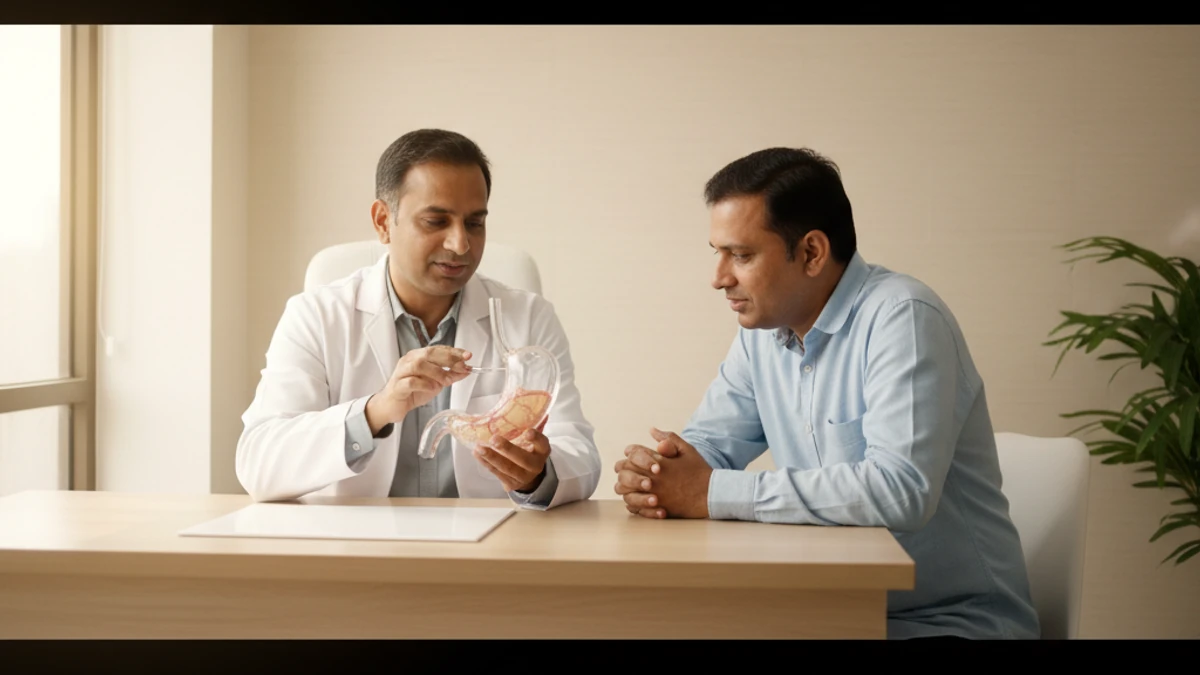
About Laparoscopic Sleeve Gastrectomy at THANC
Laparoscopic sleeve gastrectomy (LSG) is a widely adopted bariatric procedure globally, increasingly common in India for managing severe obesity and related metabolic conditions. This minimally invasive surgery involves resecting approximately 75 to 80 percent of the stomach along its greater curvature, creating a narrow, tube-like 'sleeve'. The procedure operates through dual mechanisms: a significant restrictive effect due to the reduced stomach volume, and a profound metabolic impact primarily by removing the fundus, which is the primary site of ghrelin production, the body's main hunger-stimulating hormone. This reduction in ghrelin levels often leads to a genuine decrease in appetite post-operatively. Indications for LSG at THANC Hospital align with Asian-adapted IFSO-APC criteria, considering patients with a Body Mass Index (BMI) of 32.5 kg/m² or higher, or those with a BMI of 27.5 kg/m² or above presenting with significant metabolic comorbidities such as poorly controlled type 2 diabetes mellitus, severe obstructive sleep apnoea, or non-alcoholic fatty liver disease progressing to fibrosis.
At THANC Hospital, we approach sleeve gastrectomy with a thorough, multidisciplinary evaluation, ensuring each patient receives personalised care. This comprehensive assessment includes consultations with our surgical team, endocrinologists, dietitians, and psychologists, alongside an obstructive sleep apnoea screen, upper gastrointestinal endoscopy where clinically indicated, abdominal ultrasound, and a full blood and metabolic panel, culminating in an anaesthesia review. Patients typically achieve an average excess weight loss of 60 to 70 percent within one year, with notable remission rates for type 2 diabetes (around 58.7%), hypertension (45.0%), and obstructive sleep apnoea (65.8%). Our standard post-operative plan includes lifelong vitamin and mineral supplementation and structured reviews at 2 weeks, 6 weeks, 3 months, 6 months, and annually thereafter, to support sustained health and manage potential nutritional deficiencies.
References
- 1. Role of Hunger Hormone “Ghrelin” in Long-Term Weight Loss Following Laparoscopic Sleeve Gastrectomy — PubMed Central (PMC)
- 2. Long-Term Results of Laparoscopic Sleeve Gastrectomy: a Review of Studies Reporting 10+ Years Outcomes — PubMed
- 3. Comprehensive Long-Term Outcomes and Durability of Sleeve Gastrectomy with Up to 14 Years of Follow-up — PubMed
- 4. IFSO-APC consensus statements 2011 — PubMed
- 5. Nutritional Deficiencies 3 Years After Sleeve Gastrectomy Can Be Limited by a Specialized Multivitamin Supplement — PubMed Central (PMC)
What to Expect
A clear step-by-step view of your treatment journey at THANC.
- 1
Pre-operative Assessment and Optimisation
Your journey begins with a detailed multidisciplinary evaluation including surgical, endocrinological, dietetic, and psychological assessments. We perform an obstructive sleep apnoea screen, upper GI endoscopy if indicated, abdominal ultrasound, and a comprehensive blood and metabolic panel to ensure you are optimally prepared for surgery. This holistic approach helps identify and manage any pre-existing conditions, such as Helicobacter pylori infection or hiatal hernia, which might influence surgical planning and outcomes.
- 2
Anaesthesia and Surgical Access
Under general anaesthesia, small incisions (typically five) are made in your abdomen to allow for laparoscopic access. Carbon dioxide gas is gently insufflated into the abdominal cavity to create working space. Our anaesthesia team meticulously monitors your vital signs throughout the procedure, ensuring your comfort and safety. The minimally invasive approach facilitates reduced post-operative pain and a quicker return to daily activities.
- 3
Stomach Resection and Stapling
Using specialised laparoscopic instruments, approximately 75 to 80 percent of the stomach's greater curvature is carefully resected. A calibration tube (bougie) is inserted into the stomach to guide the creation of a narrow, sleeve-shaped gastric pouch, ensuring consistent sizing. The remaining stomach is then securely stapled, creating a new, smaller stomach that restricts food intake and alters hunger hormone production.
- 4
Leak Test and Closure
Following the resection and stapling, a leak test is routinely performed to verify the integrity of the staple line and ensure there are no leaks. This critical step enhances patient safety. Once the absence of leaks is confirmed, the laparoscopic instruments are removed, and the small incisions are closed with sutures or surgical glue. You will then be transferred to the recovery area for close monitoring.
Why Choose THANC Hospital for Laparoscopic Sleeve Gastrectomy?
At THANC Hospital, your laparoscopic sleeve gastrectomy is performed by highly experienced senior consultants, ensuring meticulous surgical technique and comprehensive care. Our commitment extends beyond the operating theatre, encompassing a rigorous multidisciplinary pre-operative assessment and a structured, long-term post-operative follow-up programme. We prioritise your safety and successful metabolic transformation, offering transparent cost estimates and rates designed to be consistently lower than prevailing market prices in Chennai, without compromising on quality or expertise.
- Senior consultant-led bariatric surgery, ensuring expert hands at every step.
- Rigorous multidisciplinary evaluation for precise, individualised surgical planning.
- Advanced laparoscopic approach for minimal incision, discomfort, and recovery.
- Comprehensive, structured post-operative nutritional guidance and long-term reviews.
- Clear, upfront cost estimates, providing complete financial clarity before treatment.
- Dedicated focus on sustained metabolic health and resolution of obesity-related conditions.
Frequently Asked Questions
What are the primary health benefits I can expect from laparoscopic sleeve gastrectomy?
How long is the typical hospital stay and what does the initial recovery involve?
What kind of dietary changes will be necessary after the surgery?
Are there any potential risks or complications associated with this procedure?
How frequently will I need follow-up appointments after my sleeve gastrectomy?
Can laparoscopic sleeve gastrectomy help resolve type 2 diabetes?
What kind of preparation is required before undergoing sleeve gastrectomy?
When should I contact THANC Hospital after my sleeve gastrectomy?
Surgeons Who Perform Laparoscopic Sleeve Gastrectomy

Related Gastrointestinal & Bariatric Procedures
Related Reading
Patient guides and educational articles on related topics.
Medically reviewed by Dr. Naveen Alexander on 12 April 2026
MBBS, MS (Gen Surg), MRCS (Edin), FACS, FICS, Dip MIS
Book a Consultation
Speak with our visiting bariatric surgery consultants to understand whether laparoscopic sleeve gastrectomy is right for your case. We will review your history, examine you, and prepare a personalised treatment plan and estimate.
Book a Consultation
Meet our senior surgeons to discuss Laparoscopic Sleeve Gastrectomy for your case.
Book Appointment+91 73977 68795Part of the Weight Loss & Bariatric Surgery Clinic Department
Explore our full range of services in this speciality.
Visit Weight Loss & Bariatric Surgery ClinicLaparoscopic Sleeve Gastrectomy at THANC
- Senior consultant-led bariatric surgery, ensuring expert hands at every step.
- Rigorous multidisciplinary evaluation for precise, individualised surgical planning.
- Advanced laparoscopic approach for minimal incision, discomfort, and recovery.
- Comprehensive, structured post-operative nutritional guidance and long-term reviews.