
In this article
- Mouth Breathing in Children — What Parents Should Know
- Signs and Symptoms to Watch For
- When to Take Your Child to the Doctor
- How is Mouth Breathing Diagnosed in Children?
- Treatment Options for Children
- Recovery — What to Expect for Your Child
- Why Choose THANC Hospital for Your Child?
- Frequently Asked Questions
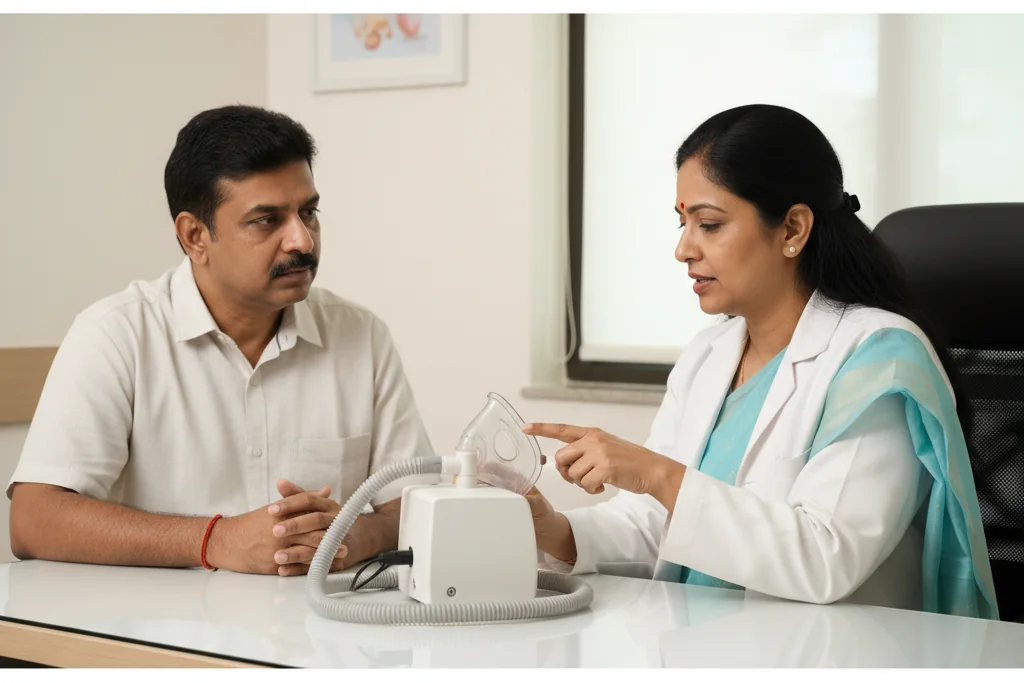
Mouth Breathing in Children — What Parents Should Know
Breathing is an automatic process, and under normal conditions, children breathe through their noses. The nose acts as a natural filter. It warms, cleans, and adds moisture to the air before it reaches the lungs. When a child breathes through their mouth instead, they lose these important health benefits. A mouth breathing child takes in cold, unfiltered air, which can irritate the throat and lungs.
Many parents wonder how common this condition is in children. Medical studies show that between 11% and 29% of school-going children in India breathe primarily through their mouths. This makes it a very frequent concern in pediatric clinics. While occasional mouth breathing during a common cold is normal, chronic mouth breathing requires medical attention.
Why does this happen in kids specifically? Children have smaller nasal passages that block easily. The most common cause is adenoid hypertrophy (enlarged adenoids). Adenoids are small patches of immune tissue located high up in the throat, right behind the nose. In young children, these tissues often swell in response to infections or allergies. If they grow too large, they physically block the nasal airway.
Another major cause in India is allergic rhinitis (nasal allergies). Up to 30% of the Indian population suffers from allergic conditions. High levels of urban air pollution, indoor dust mites, and exposure to mosquito coil smoke or strong incense can trigger severe nasal allergies in children. This constant irritation causes the inside of the nose to swell, forcing the child to open their mouth to get enough air.
If you notice your child constantly breathing with an open mouth, try not to panic. This is a highly treatable condition. With the right medical guidance, you can clear your child's airway and protect their long-term health and facial development.
Signs and Symptoms to Watch For
Recognizing the signs of mouth breathing early can prevent long-term complications. Children rarely complain about not being able to breathe through their noses because they simply adapt by opening their mouths. Therefore, parents must watch for specific physical and behavioral clues.
What parents typically notice first are the nighttime symptoms. You might walk into your child's bedroom and hear loud snoring or heavy breathing. You may also notice drool on their pillow in the morning. During the day, the most obvious sign is that the child keeps their lips apart while watching television, reading, or resting.
Age-specific symptoms vary as the child grows. In infants and toddlers, you might notice difficulty during feeding. A baby who cannot breathe through their nose will frequently pause during nursing to gasp for air. In older children, you might see dry, cracked lips, frequent sore throats in the morning, and chronic bad breath.
One of the most significant physical changes caused by this condition is the development of an adenoid face. When a child constantly breathes through their mouth, the resting posture of their tongue and jaw changes. Over time, this alters the actual growth of their facial bones. The characteristics of an adenoid face include:
- A long, narrow face shape
- A high, arched roof of the mouth
- A receding chin or small lower jaw
- Crooked or crowded teeth
- A gummy smile when laughing
- Dark circles or a tired appearance under the eyes
Behavioral signs are also very common but often misunderstood. Because a mouth breathing child does not get deep, restful sleep, they often wake up exhausted. This lack of sleep translates into daytime behavioral issues. You might notice your child:
- Becoming easily irritable or throwing frequent tantrums
- Struggling to concentrate on schoolwork
- Showing signs of hyperactivity that mimic attention deficit disorders
- Acting as a picky eater, especially with foods that require a lot of chewing
- Falling asleep during the day or feeling constantly tired
When to Take Your Child to the Doctor
Knowing when to seek medical help is important for your child's health. While a stuffy nose from a brief cold will resolve on its own, chronic mouth breathing requires a professional evaluation. You should schedule an appointment if your child has been breathing through their mouth for more than a few weeks, especially when they do not have an active cold.
There are clear action triggers that indicate you need to see an ENT specialist. Make an appointment if you notice your child snoring loudly every night, waking up with a dry mouth constantly, or showing early signs of an adenoid face. You should also seek help if your child struggles to chew their food properly or complains of frequent morning headaches.
Some symptoms require urgent medical attention. You must take your child to the doctor immediately if you observe pauses in their breathing while they sleep. This condition, known as obstructive sleep apnea, means the child's airway is completely collapsing for short periods. Other urgent signs include severe gasping for air at night, bluish lips, or extreme difficulty waking up in the morning. If you see these signs, please Book an Appointment without delay.
Many parents try to fix mouth breathing at home, but certain home remedies can be dangerous. What NOT to do at home includes:
- Never use mouth tape on a child. If their nose is physically blocked, taping their mouth shut can cause suffocation.
- Do not use over-the-counter adult nasal decongestant sprays for more than three days. These can cause a rebound effect, making the nasal blockage much worse.
- Do not force the child to keep their lips closed if they are struggling to breathe.
- Avoid giving unprescribed allergy medicines for long periods without a doctor's diagnosis.
How is Mouth Breathing Diagnosed in Children?
When you bring your child to the clinic, the doctor will focus on finding the exact cause of the airway blockage. The diagnosis process is gentle, child-friendly, and designed to keep your little one comfortable. The doctor will start by asking you detailed questions about your child's sleep habits, behavior, and medical history.
The physical examination begins with a simple look at the child's face and mouth. The doctor will check for the classic signs of an adenoid face and examine the alignment of the teeth. They will look inside the mouth to check the size of the tonsils and the shape of the palate. They will also use a small light to look just inside the nostrils for swelling or excess mucus.
To get a clear picture of the airway, the doctor may perform specific tests. The most common procedure is a nasal endoscopy. During this test, the doctor uses a very thin, flexible tube with a tiny camera and light on the end. They gently guide this tube into the child's nose to look at the adenoids and the back of the throat. We use numbing spray beforehand, so the child feels a strange tickle rather than pain. This test takes only a few minutes and provides excellent information.
Sometimes, the doctor will order a lateral neck X-ray. This is a simple, painless picture taken from the side of the child's head and neck. It helps the doctor see exactly how much the enlarged adenoids are blocking the airway. If the doctor suspects allergies are causing the swelling, they might recommend allergy testing. This could involve a simple blood test or a skin prick test to identify specific triggers like dust mites or pollen.
Doctors must carefully differentiate between structural blockages and habitual mouth breathing. Sometimes, a child's airway is completely clear, but they continue to breathe through their mouth out of pure habit following a past illness. The endoscopy and X-rays help the doctor confirm whether a physical blockage exists or if the child simply needs retraining to breathe through their nose.
Treatment Options for Children
Once the doctor identifies the cause of the mouth breathing, they will create a customized treatment plan for your child. The goal is to restore normal nasal breathing, improve sleep quality, and prevent long-term changes to the face and teeth. Treatment ranges from simple lifestyle changes to surgical procedures, depending on the severity of the blockage.
For very mild cases or seasonal allergies, the doctor might recommend a period of watchful waiting combined with environmental control. This means keeping the child's bedroom free of dust, washing bedsheets in hot water, and avoiding mosquito coils or strong perfumes. If the symptoms improve as the weather changes, no further medical intervention may be necessary.
When the blockage is caused by allergies or mild swelling, medical treatment is the first step. The doctor may prescribe:
- Saline nasal drops or sprays to wash away thick mucus and allergens
- Steroid nasal sprays to safely reduce inflammation inside the nose
- Oral antihistamines (allergy syrups) to stop the allergic reaction
- Antibiotics, but only if there is an active bacterial sinus infection
If medications do not work, or if the adenoids and tonsils are severely enlarged, the doctor will recommend surgery. The most common procedure for a mouth breathing child is an adenoidectomy (surgical removal of the adenoids). If the tonsils are also blocking the throat, the doctor may perform a tonsillectomy at the same time. You can learn more about this in our detailed guide on /blog/tonsil-surgery-children-when-necessary.
Many parents feel anxious about surgery, but these procedures are very safe and routine. The surgery is performed under general anaesthesia (medication that keeps the child completely asleep and pain-free). The child will not feel or remember anything during the operation. The surgeon removes the enlarged tissue through the open mouth, meaning there are no cuts or scars on the face.
The entire surgery usually takes less than 45 minutes. If the child also has fluid trapped in their ears due to the blocked adenoids, the surgeon might place tiny tubes in the eardrums during the same operation. You can read more about this specific procedure in our post about /blog/ear-tubes-grommets-children-surgery-explained. After the surgery, the child wakes up in a recovery room under close observation.
Recovery — What to Expect for Your Child
The recovery period after airway surgery requires patience and proper care at home. Knowing what to expect will help you keep your child comfortable and safe as they heal. Most children bounce back surprisingly fast, but the first few days require strict adherence to the doctor's instructions.
During the first few days after treatment, your child will likely have a sore throat and a mild earache. This ear pain is actually referred pain from the throat, not an ear infection. The doctor will prescribe liquid pain medication to keep your child comfortable. You might also notice that your child has bad breath or a stuffy nose for a few days. This happens because the surgical area inside the throat is healing and forming temporary scabs. For more details on the healing process, visit our post on /blog/adenoids-children-symptoms-removal-recovery.
Diet and activity play a massive role in a smooth recovery. For the first week, your child must eat a soft, cool diet. Good Indian food options include:
- Cold milk and plain ice cream
- Soft, mashed curd rice
- Plain idli soaked in milk or mild sambar
- Upma or soft khichdi without whole spices
- Apple juice or plain water
You must strictly avoid hot, spicy, or scratchy foods. Do not give your child chips, crispy dosas, rasam, or citrus juices like lemon or orange, as these will burn the healing throat. Encourage your child to drink plenty of fluids to stay hydrated, which helps reduce pain.
Children need plenty of rest during this time. They should avoid running, jumping, or playing rough sports for at least two weeks to prevent any bleeding from the surgical site. Most children can safely return to school after 7 to 10 days, provided they are eating well and no longer need strong pain medication.
You will need to bring your child back to the clinic for a follow-up visit about one to two weeks after the surgery. During this visit, the doctor will check the healing progress and confirm that the child is now breathing comfortably through their nose. If the child still breathes through their mouth out of habit, the doctor might recommend simple breathing exercises to retrain their muscles.
Why Choose THANC Hospital for Your Child?
At THANC Hospital, we understand that treating a child requires a gentle, patient, and compassionate approach. Dr. A. Sudha has deep pediatric ENT experience, so every child feels safe and comfortable during their examination. We use child-friendly diagnostic tools and focus on clear communication, so parents fully understand every step of their child's treatment plan. Our dedicated team is committed to helping your child breathe easier, sleep better, and grow healthier.
Frequently Asked Questions
Can mouth breathing change my child's face shape permanently?
Yes, chronic mouth breathing can lead to permanent changes in facial bone structure if left untreated during the growing years. This condition, known as an adenoid face, causes a long face, a receding chin, and crooked teeth. Early medical intervention can reverse the breathing habit and allow the face to grow normally.
Will my child outgrow enlarged adenoids without surgery?
Adenoids naturally begin to shrink on their own as a child reaches the teenage years. However, if the enlarged adenoids are causing severe sleep apnea, dental issues, or hearing loss, waiting for them to shrink is not safe. The doctor will only recommend surgery if the blockage is actively harming your child's health and development.
How do I know if my child has sleep apnea?
The most common signs of sleep apnea in children include loud snoring, gasping for air, and visible pauses in breathing while asleep. You might also notice your child sleeping in unusual positions, like with their neck stretched far back, to keep their airway open. If you observe these signs, you should consult an ENT specialist immediately.
Is it safe to use nasal drops for my child every day?
Plain saline (saltwater) nasal drops are very safe and can be used daily to clear dust and mucus from your child's nose. However, you should never use medicated decongestant sprays for more than a few days without a doctor's prescription. Overusing medicated sprays can damage the nasal lining and make the congestion much worse.
Can allergies cause my child to breathe through their mouth?
Absolutely. Allergic rhinitis is one of the leading causes of nasal blockage in children. When a child breathes in allergens like dust mites, pollen, or pollution, the inside of their nose swells and produces thick mucus. This forces the child to open their mouth to get enough oxygen.
Does my child need braces if they have an adenoid face?
Many children who develop an adenoid face will eventually need orthodontic treatment, like braces, to correct their crowded teeth and high palate. However, you must fix the breathing problem first. If an orthodontist straightens the teeth but the child continues to breathe through their mouth, the teeth will likely shift back out of place.
Learn more about ENT - General
View treatments, doctors & FAQs
Concerned about this condition?
Our specialists can help. Book a consultation today.
Book Consultation