
In this article
CPAP vs Sleep Apnea Surgery — Making the Right Choice
Obstructive sleep apnea (OSA) is a serious medical condition where your breathing repeatedly stops and starts while you sleep. When you fall asleep, your entire body relaxes. For people with OSA, the muscles in the back of the throat relax too much, causing the tongue to fall backward and the airway to become completely blocked. Your lungs try to pull in air, but they cannot, causing your blood oxygen levels to plummet. Sensing this emergency, your brain jolts you awake just enough to gasp for air, a cycle that can repeat dozens of times an hour.
Recent medical studies estimate that over 104 million Indians suffer from this condition. Millions of these individuals face moderate to severe forms of the disease, requiring immediate medical intervention. When you receive a diagnosis, doctors almost always prescribe a CPAP machine as the first line of defense. This machine works incredibly well for people who can use it consistently throughout the night. However, the reality is that many patients simply cannot tolerate the device and abandon the therapy within the first year.
If you struggle with the machine, comparing CPAP to surgical alternatives matters immensely for your long-term health. Giving up on your machine does not mean you have to give up on treating your condition. Untreated sleep apnea drastically increases your risk for high blood pressure, heart attacks, strokes, and severe daytime fatigue. You can learn more about these severe health risks in our detailed guide on sleep apnea symptoms, dangers, and treatment.
A quick overview of each option helps clarify your choices moving forward. CPAP therapy acts as an air splint, using continuous air pressure to physically hold your airway open from the inside. You must use the machine every single night for the rest of your life to get the benefits. On the other hand, sleep apnea surgery physically alters the anatomy of your throat, mouth, or jaw. Surgeons remove or reposition the tissues that cause the blockage to provide a permanent, device-free solution.

How CPAP Therapy Works
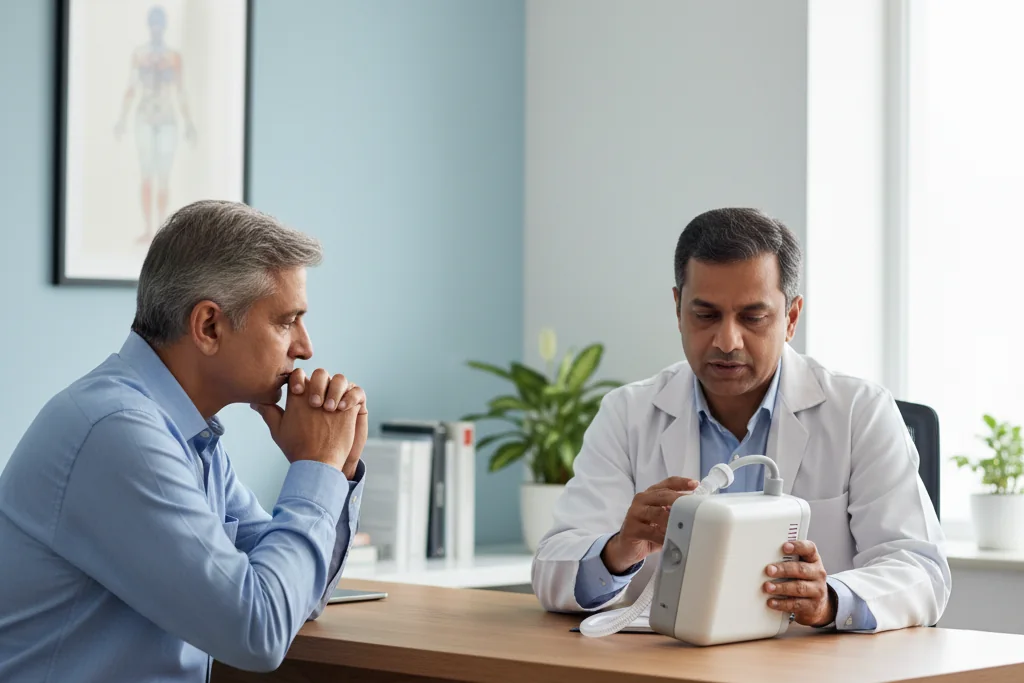
Continuous Positive Airway Pressure (CPAP) therapy involves a small bedside machine that filters and pressurizes the air from your room. The machine delivers this pressurized air through a flexible hose connected to a mask. You wear this mask over your nose, or over both your nose and mouth, while you sleep. The steady flow of air creates enough pressure to prevent your throat muscles, tongue, and soft palate from collapsing backward.
CPAP is the gold standard treatment for almost everyone diagnosed with sleep apnea. It is especially beneficial for patients with severe sleep apnea, older adults, and individuals with a high body weight. Because it does not involve surgery, doctors recommend it for patients who have complex medical conditions that make anesthesia risky. Patients can choose from several mask styles, including nasal pillows that sit inside the nostrils and full-face masks that cover the mouth.
The biggest advantage of CPAP is its immediate effectiveness and non-invasive nature. When you wear the mask and the machine runs at the correct pressure, it completely eliminates breathing pauses. Modern machines also feature heated humidifiers to prevent your throat from drying out during the night. However, the limitations are significant and cause many patients to seek CPAP alternatives.
Wearing a tight silicone mask can cause severe skin irritation, acne, and pressure sores on the bridge of your nose. Many patients experience claustrophobia or panic attacks when trying to fall asleep with the mask strapped to their face. The continuous air pressure can also cause aerophagia (a condition where you swallow air and wake up with painful stomach bloating). Furthermore, you must wash the mask cushion, hose, and water chamber daily to prevent dangerous mold and bacterial growth.
In India, specific environmental factors make CPAP compliance even harder for many patients. The hot and humid climate in many Indian cities causes excessive sweating under the mask, making it highly uncomfortable. Frequent power outages in certain regions can suddenly shut off the machine in the middle of the night, leaving you gasping for air. Because of these daily frustrations, exploring surgical options becomes a necessary step for many individuals.
How Transoral Robotic Surgery (TORS) Works
Transoral Robotic Surgery (TORS) is one of the most advanced CPAP alternatives available today. This minimally invasive procedure targets the base of your tongue and the epiglottis (a small flap of cartilage located behind your tongue). During sleep, these specific structures often fall backward and block the lower part of the airway.
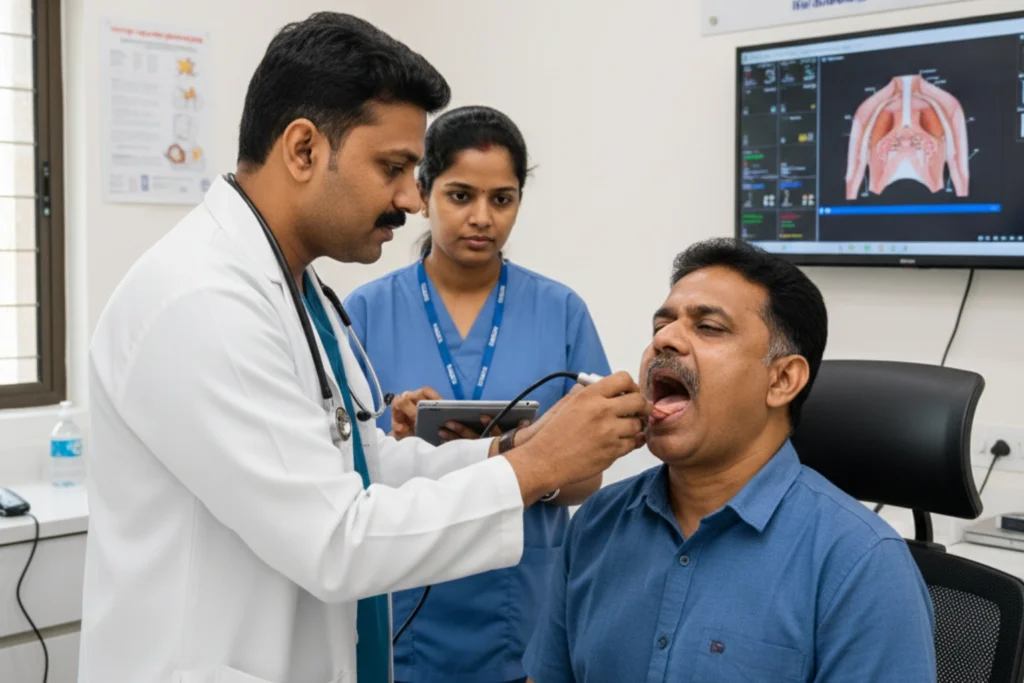
During TORS, the surgeon does not make any external cuts on your face or neck. Instead, they use a highly advanced robotic system to access the back of your throat through your open mouth. The surgeon sits at a console and controls tiny, flexible robotic arms equipped with a 3D high-definition camera. The robot scales down the surgeon's hand movements, allowing for extreme precision in a very tight space. The surgeon then carefully removes the excess tissue at the base of the tongue that causes the obstruction.
TORS is ideal for patients who have a specific type of airway blockage located at the base of the tongue. Doctors often recommend this procedure for patients who have a normal to moderate body weight but still suffer from severe sleep apnea. If your sleep specialist determines that your tongue is the primary cause of your breathing pauses, TORS offers an excellent, targeted solution.
The primary advantage of TORS is its incredible precision and lack of external scarring. The robotic arms can reach areas of the throat that human hands simply cannot access easily. The recovery time is also significantly shorter compared to traditional open-neck surgeries. However, the limitations include a painful recovery period where you will experience a severe sore throat for about one to two weeks. You will also need to stick to a strict liquid and soft food diet while your throat heals, and you may experience temporary changes in your swallowing ability.
How Palate and Jaw Surgeries Work
Uvulopalatopharyngoplasty (UPPP) is the most common type of sleep apnea surgery performed worldwide. This procedure focuses on the upper part of your airway, specifically the soft palate and the tonsils. The surgeon removes excess tissue from the back of your throat to create a wider path for air to flow. Traditionally, this involved cutting away the uvula (the small, bell-shaped tissue hanging at the back of your throat) and parts of the soft palate.
Today, surgeons use modern techniques like Expansion Sphincter Pharyngoplasty to achieve better results. Instead of just cutting tissue away, the surgeon repositions the muscles of the soft palate, pulling them outward and stitching them into a new position. If your tonsils are large, the surgeon will remove them during this procedure to instantly create a wider passage for air. UPPP is highly effective for individuals who struggle with loud, disruptive snoring, which you can read more about in our guide on how to stop snoring.
For patients with severe sleep apnea, Maxillomandibular Advancement (MMA) offers a more complete solution. MMA is a major skeletal surgery that physically enlarges your entire airway by moving your facial bones. The surgeon carefully cuts the upper jaw (maxilla) and the lower jaw (mandible) and moves both bones forward by about 10 to 12 millimeters. Because the tongue and the soft palate attach to the jawbones, moving the jaws forward physically pulls all these soft tissues away from the back of the throat.
MMA is highly recommended for individuals with a recessed lower jaw (retrognathia) or a visibly small chin. In India, a genetic predisposition to a smaller lower jaw makes many people susceptible to airway collapse, even if they are not overweight. The most significant advantage of MMA is its incredibly high success rate, often curing the condition entirely. However, it is a major surgery that requires a hospital stay, a long recovery period of up to six weeks, and results in a permanent change to your facial profile.
Key Differences at a Glance
When comparing CPAP to surgical options, you must consider several practical factors that will impact your daily life. Here is a side-by-side comparison of the key differences:
- Durability and Long-Term Commitment: CPAP therapy requires a lifelong commitment. You must wear the mask every time you sleep, including naps, to prevent airway collapse. In contrast, surgical options provide a permanent structural change, meaning you do not need to rely on external equipment to breathe at night once you heal.
- Daily Comfort and Sleep Quality: CPAP often causes daily discomfort, such as skin irritation, dry mouth, and the physical annoyance of sleeping with a hose attached to your face. Surgery involves a period of intense post-operative pain and dietary restrictions, but it offers completely natural, unencumbered sleep once the recovery phase ends.
- Ongoing Maintenance and Costs: CPAP machines require constant upkeep, including daily cleaning of the mask, hose, and water chamber to prevent bacterial growth. You also need to regularly purchase replacement filters and masks. Surgery requires zero ongoing maintenance after your post-operative checkups are complete.
- Suitability and Anatomical Requirements: CPAP works for almost every patient because forced air can push past any anatomical blockage. Surgery requires specific anatomical conditions to succeed. Your surgeon must identify exactly where your airway collapses to choose the right procedure, meaning surgery is highly customized to your unique body.
- Success Rates and Predictability: CPAP has a near perfect success rate at keeping the airway open, provided you actually wear it all night. The failure of CPAP is almost entirely due to human compliance. Surgery relies on anatomical healing, and while procedures like MMA have excellent success rates, soft tissue surgeries have variable success depending on your specific anatomy.
Which Option is Right for You?
Choosing between continuing CPAP or pursuing CPAP alternatives requires a careful evaluation of your specific situation. Your decision will depend on your age, your lifestyle, the severity of your sleep apnea, and your unique physical anatomy. Treating sleep apnea often requires a team approach, involving sleep physicians, ENT surgeons, and sometimes maxillofacial surgeons.
The first step in determining if surgery is right for you is identifying exactly where your airway collapses. Sleep specialists achieve this through a procedure called a Drug-Induced Sleep Endoscopy (DISE). During a DISE, the anesthesiologist gives you a mild sedative to make you fall asleep naturally in the operating room. The surgeon then passes a tiny, flexible camera through your nose to watch your throat as you sleep and snore. This real-time video shows exactly which tissues fall backward, allowing the surgeon to recommend the exact procedure you need.
Your body weight also plays a important role in this decision. The Indian diet, which often includes high amounts of carbohydrates and refined sugars, contributes to rising obesity rates. Central obesity reduces your lung volume and pushes fat deposits into your neck, worsening sleep apnea. If you have a very high body weight, soft tissue surgeries might not work well because the surrounding neck fat will still compress the airway. In these cases, doctors often recommend weight loss programs alongside CPAP, or they might suggest MMA jaw surgery.
You should never make this major health decision alone. Talk to your specialist about your struggles with CPAP and be honest about how often you take the mask off during the night. Discuss your sleep study results and ask if your anatomy makes you a good candidate for surgical intervention. In India, where awareness of sleep disorders is growing, finding a thorough center for Sleeping & Snoring Treatment is vital. If you are ready to explore your surgical options, you can consult with Dr. Vidhyadharan S, a leading expert in sleep surgery.
What We Recommend at THANC Hospital
The medical team at THANC Hospital believes that the best treatment is the one that you can actually tolerate and benefit from long-term. The specialists do not push a single surgical option or force you to continue failing at CPAP therapy. Instead, the surgical team takes a patient-centered approach, using advanced diagnostic tools like sleep endoscopy to map your exact airway anatomy. They work closely with you to design a customized treatment plan that fits your lifestyle, so you achieve restful sleep and protect your long-term health. If you are ready to find a real solution, you can Book an Appointment with the dedicated sleep team today.
Frequently Asked Questions
Is sleep apnea surgery painful?
Yes, you will experience pain during the recovery period, particularly with procedures that remove tissue from the throat. Most patients describe it as a severe sore throat that lasts for about one to two weeks. The surgical team will provide strong pain medications and specific dietary guidelines to help you manage the discomfort effectively while you heal.
Can sleep apnea come back after surgery?
While surgery provides long-term structural changes, sleep apnea can sometimes return years later. The most common reason for a relapse is significant weight gain, which adds new fat deposits around the neck and throat, narrowing the airway again. Maintaining a healthy lifestyle and a stable body weight after your surgery is important to protecting your airway remains open permanently.
How long is the recovery after robotic sleep surgery?
The initial recovery from Transoral Robotic Surgery usually takes about ten to fourteen days. During this time, you will need to rest at home, avoid strenuous activities, and consume a strict liquid or soft food diet. While the severe throat pain subsides within two weeks, it may take a few more weeks for your swallowing to feel completely normal again.
Do I still need to use my CPAP machine after surgery?
The ultimate goal of sleep apnea surgery is to eliminate your need for a CPAP machine entirely. However, you will likely need to continue using your machine during the first few weeks of recovery while your throat tissues are swollen. Once the swelling goes down and you fully heal, your doctor will order a follow-up sleep study to confirm that you can safely stop using the device.
What happens if I just stop using my CPAP machine?
If you stop using your CPAP machine without pursuing an alternative treatment, your airway will immediately begin collapsing again every night. Your blood oxygen levels will drop, and your brain will constantly wake you up to breathe, destroying your sleep quality. Ignoring the condition puts you at a severe risk for developing high blood pressure, heart disease, type 2 diabetes, and life-threatening strokes.
How do I know if my tongue is causing my sleep apnea?
You cannot determine the exact cause of your airway blockage just by looking in the mirror or guessing based on your symptoms. Your doctor must perform a Drug-Induced Sleep Endoscopy (DISE) to see your throat in action. This specialized test allows the surgeon to look inside your airway with a camera while you are asleep, clearly revealing if the base of your tongue is falling backward.
Learn more about Sleep & Snoring Clinic
View treatments, doctors & FAQs
Concerned about this condition?
Our specialists can help. Book a consultation today.
Book Consultation
MBBS, MS (ENT), DNB (ENT), MCh (Head & Neck), FICRS, FEB – ORL HNS, ASOHNS
Clinical Director & Senior Consultant Surgeon