
Neck Dissection — Oncology-Planned, Function-Preserving Surgery
Experienced head & neck oncology team • Function-preserving • Multidisciplinary care
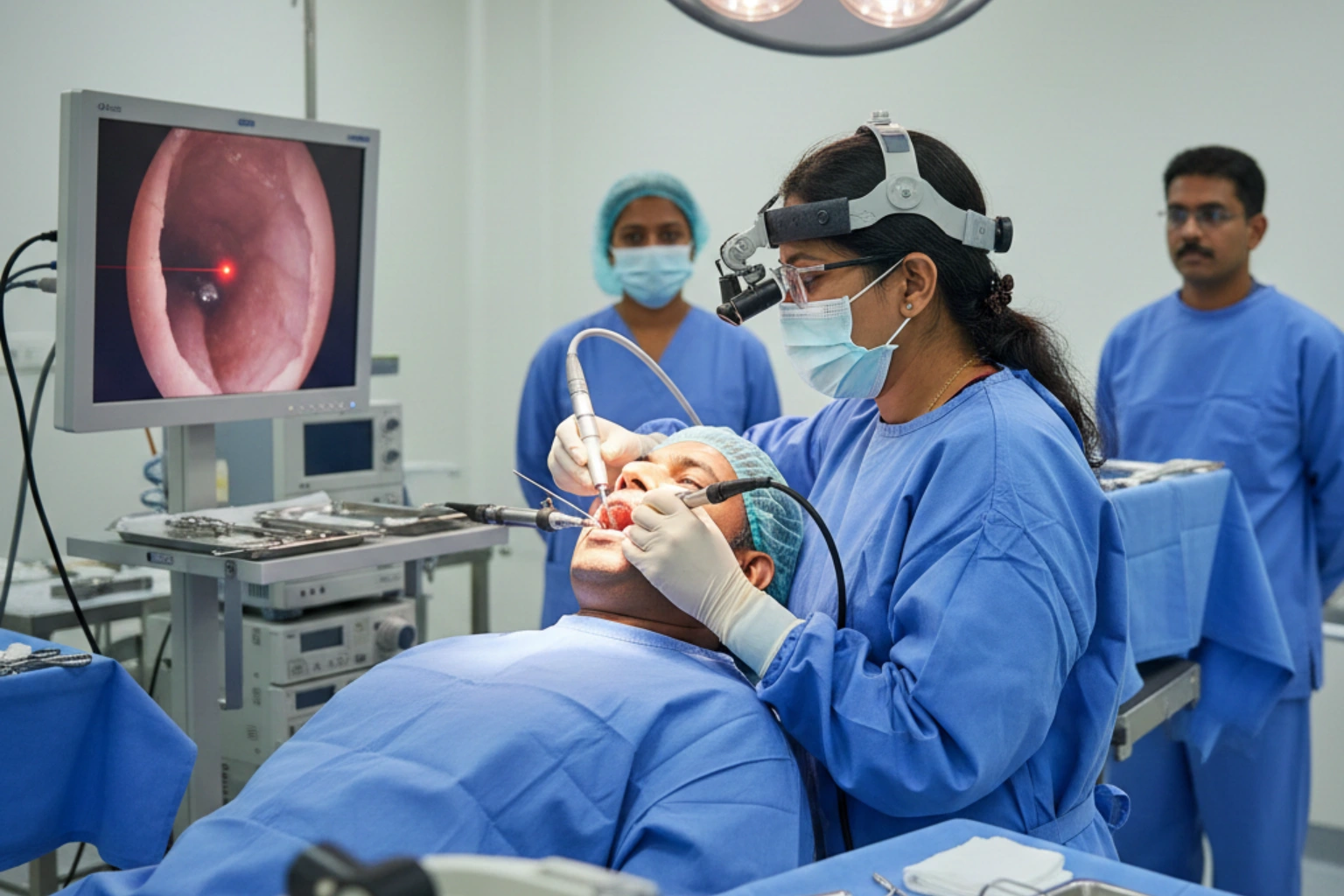
About Neck Dissection at THANC
Neck dissection is the systematic surgical removal of cervical lymph node groups from one or both sides of the neck. It is a core component of treatment for head and neck cancers of the oral cavity, throat, larynx, salivary glands and thyroid. At THANC, our head and neck oncology team performs selective, modified radical and comprehensive neck dissections tailored to the cancer type, stage and previous treatment — always planning around function, speech, swallowing and shoulder strength.
Who Needs Neck Dissection?
You may be a candidate if you experience any of the following:
- Oral cavity, oropharyngeal, laryngeal or hypopharyngeal cancer with clinical or imaging neck disease
- Early cancer with high-risk features needing elective neck management
- Biopsy-proven cervical lymph node metastasis from a known head and neck primary
- Advanced or recurrent head and neck cancer as part of salvage surgery
- Thyroid cancer with central or lateral compartment nodal involvement
- Unknown primary with cervical node metastasis requiring staging surgery
What to Expect
A clear step-by-step view of your treatment journey at THANC.
- 1
Multidisciplinary Planning
Every case is reviewed at our head and neck tumour board with oncology, radiology and pathology input. Imaging, biopsy and performance status guide the type of neck dissection and whether it is combined with primary site surgery.
- 2
The Surgery
Performed under general anaesthesia through a carefully planned neck incision. The surgeon systematically removes the involved lymph node levels while preserving critical structures — spinal accessory nerve, internal jugular vein and sternocleidomastoid muscle — whenever oncologically safe.
- 3
Hospital Stay & Drains
A short hospital stay allows monitoring of drains, wound and shoulder function. Pain is generally well controlled, and early mobilisation and shoulder exercises are started in hospital.
- 4
Pathology & Adjuvant Planning
Histopathology of the removed nodes guides adjuvant treatment — radiotherapy or chemoradiotherapy — planned together with the medical and radiation oncology team. Long-term follow-up and rehabilitation complete the pathway.
Why Patients Trust THANC for Head & Neck Surgery
Head and neck cancer and gland surgery at THANC is delivered by a multidisciplinary team built around the operating surgeon, anaesthesia, pathology, and rehabilitation. Every plan is tailored to your tumour stage, voice needs, and swallowing function — with world-class care at affordable rates.
- Senior head and neck surgeons with high-volume gland and oncology experience
- Multidisciplinary tumour review before every major case
- Voice, swallowing and shoulder rehabilitation integrated into recovery
- Nerve-monitoring for thyroid, parathyroid and parotid surgery
- Onco-pathology and frozen-section support during surgery
- Personalised estimate prepared after consultation and imaging review
Frequently Asked Questions
Will neck dissection cause weakness in my shoulder or arm?
Is neck dissection always combined with surgery for the main tumour?
How long does the neck dissection scar take to settle?
Will I need chemotherapy or radiotherapy after neck dissection?
Will THANC provide a personalised estimate for neck dissection?
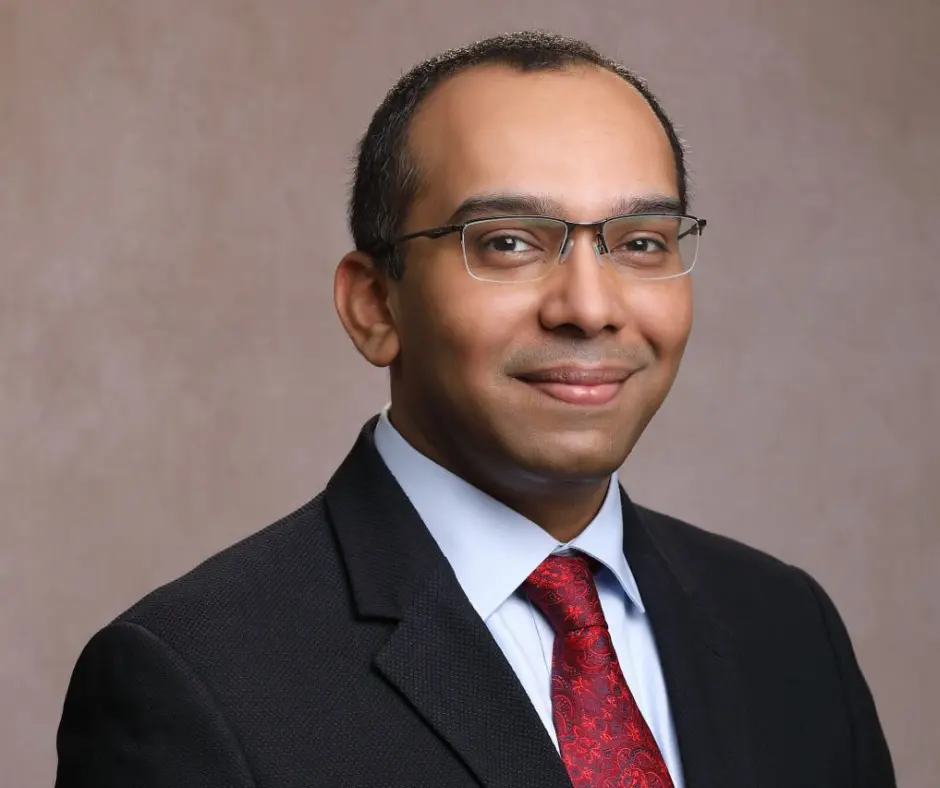
Surgeons Who Perform Neck Dissection
Related Head & Neck Cancer Surgery
Related Reading
Patient guides and educational articles on related topics.
Book a Consultation
Meet our head and neck oncology team for a multidisciplinary plan covering surgery, recovery and long-term cancer care.
Book a Consultation
Meet our senior surgeons to discuss Neck Dissection for your case.
Book Appointment+91 73977 68795Part of the Head & Neck Cancer Surgery Department
Explore our full range of services in this speciality.
Visit Head & Neck Cancer SurgeryNeck Dissection at THANC
- Senior head and neck surgeons with high-volume gland and oncology experience
- Multidisciplinary tumour review before every major case
- Voice, swallowing and shoulder rehabilitation integrated into recovery
- Nerve-monitoring for thyroid, parathyroid and parotid surgery