
Submandibular Gland Surgery — Nerve-Sparing Salivary Surgery
Experienced head & neck team • Nerve-sparing technique • Discreet incision
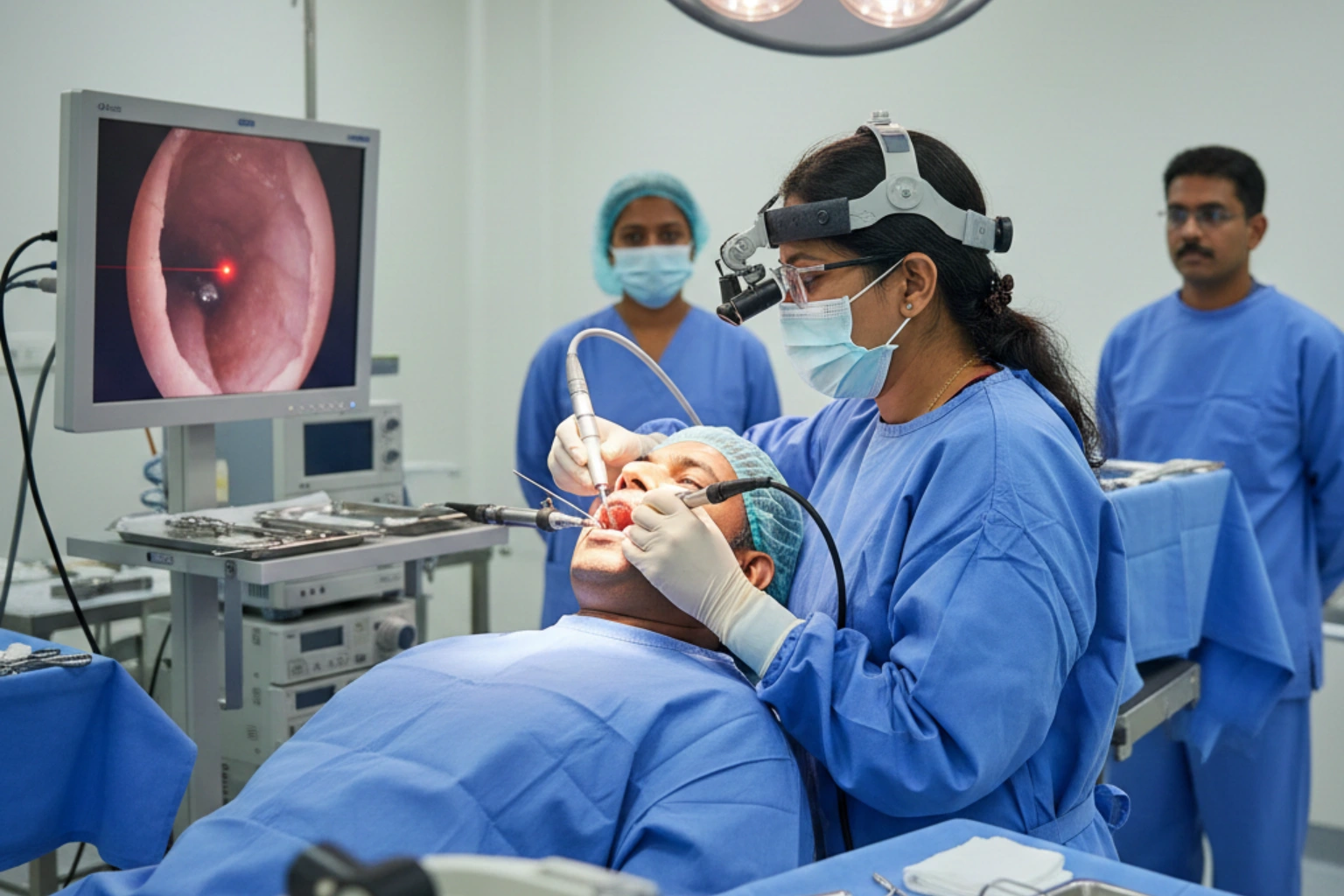
About Submandibular Gland Surgery at THANC
Submandibular gland surgery treats stones, chronic infection and benign or malignant tumours of the submandibular gland. At THANC, our head and neck team performs removal of the gland through a carefully placed incision in a neck skin crease, using meticulous dissection to protect the marginal mandibular, lingual and hypoglossal nerves. Smaller stones may also be managed with sialendoscopy before considering gland removal.
Who Needs Submandibular Gland Surgery?
You may be a candidate if you experience any of the following:
- Recurrent submandibular gland swelling due to stones
- Chronic sialadenitis not settling with conservative treatment
- Benign submandibular gland tumours — such as pleomorphic adenoma
- Malignant tumours of the submandibular gland
- Large or impacted salivary gland stones not amenable to sialendoscopy
- Persistent pain or swelling affecting eating and quality of life
What to Expect
A clear step-by-step view of your treatment journey at THANC.
- 1
Assessment
Clinical examination, ultrasound and — where needed — imaging or sialendoscopy define whether the problem is a stone, infection or tumour. Biopsy is arranged when a neoplasm is suspected.
- 2
The Surgery
Performed under general anaesthesia through a small incision in a natural neck skin crease. The surgeon carefully identifies and protects the marginal mandibular, lingual and hypoglossal nerves, and removes the gland with a specimen that is sent for histopathology.
- 3
Hospital Stay
Most patients go home the same day or after one night. A small drain may be used for a day. Pain is generally mild and well controlled with simple oral medication.
- 4
Follow-up
The wound heals discreetly in the natural neck crease. Histopathology guides any additional treatment for tumour cases, and a short clinical review confirms nerve function and scar healing.
Why Patients Trust THANC for Head & Neck Surgery
Head and neck cancer and gland surgery at THANC is delivered by a multidisciplinary team built around the operating surgeon, anaesthesia, pathology, and rehabilitation. Every plan is tailored to your tumour stage, voice needs, and swallowing function — with world-class care at affordable rates.
- Senior head and neck surgeons with high-volume gland and oncology experience
- Multidisciplinary tumour review before every major case
- Voice, swallowing and shoulder rehabilitation integrated into recovery
- Nerve-monitoring for thyroid, parathyroid and parotid surgery
- Onco-pathology and frozen-section support during surgery
- Personalised estimate prepared after consultation and imaging review
Frequently Asked Questions
Why does my submandibular gland keep swelling?
Can salivary stones be treated without surgery?
Will my smile be affected after this surgery?
How long is the recovery?
Will THANC provide a personalised estimate?
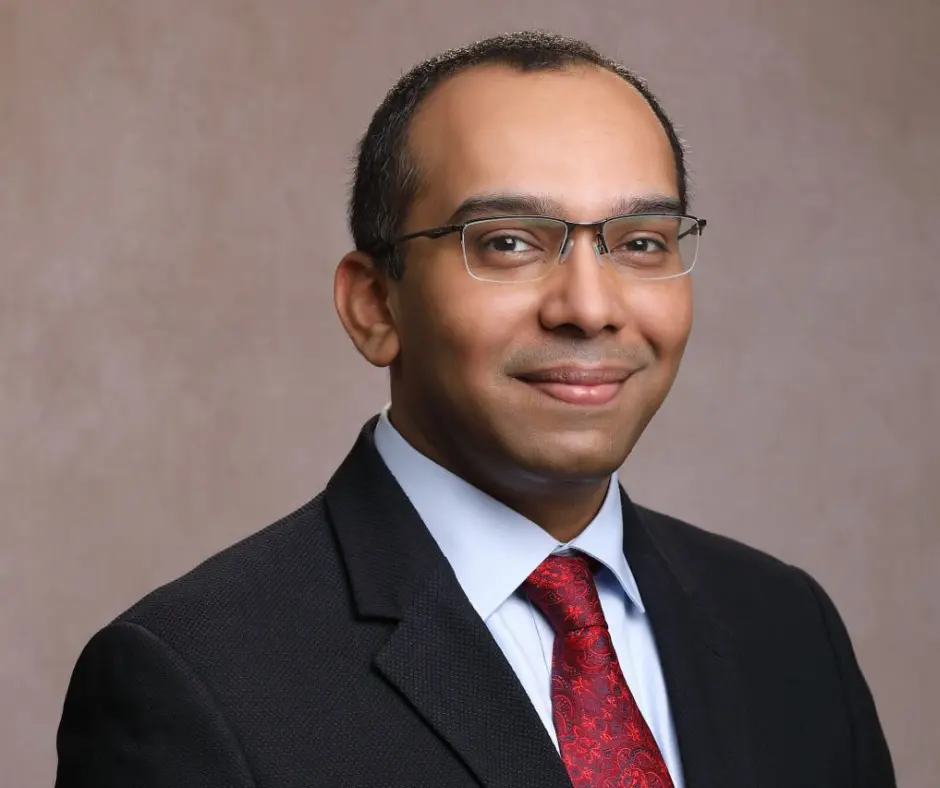
Surgeons Who Perform Submandibular Gland Surgery
Related Head & Neck Cancer Surgery
Related Reading
Patient guides and educational articles on related topics.
Book a Consultation
Meet our head and neck team to plan focused, nerve-sparing submandibular gland surgery.
Book a Consultation
Meet our senior surgeons to discuss Submandibular Gland Surgery for your case.
Book Appointment+91 73977 68795Part of the Head & Neck Cancer Surgery Department
Explore our full range of services in this speciality.
Visit Head & Neck Cancer SurgerySubmandibular Gland Surgery at THANC
- Senior head and neck surgeons with high-volume gland and oncology experience
- Multidisciplinary tumour review before every major case
- Voice, swallowing and shoulder rehabilitation integrated into recovery
- Nerve-monitoring for thyroid, parathyroid and parotid surgery