
In this article
- What is an Impacted Wisdom Tooth?
- Who Needs Wisdom Tooth Surgery?
- How Wisdom Tooth Surgery is Performed
- Preparing for Wisdom Tooth Surgery
- Recovery After Wisdom Tooth Surgery
- Risks and Complications
- Results and Success Rate
- What Impacted Wisdom Tooth Surgery Costs
- Why Choose THANC Hospital for Wisdom Tooth Surgery?
- Frequently Asked Questions
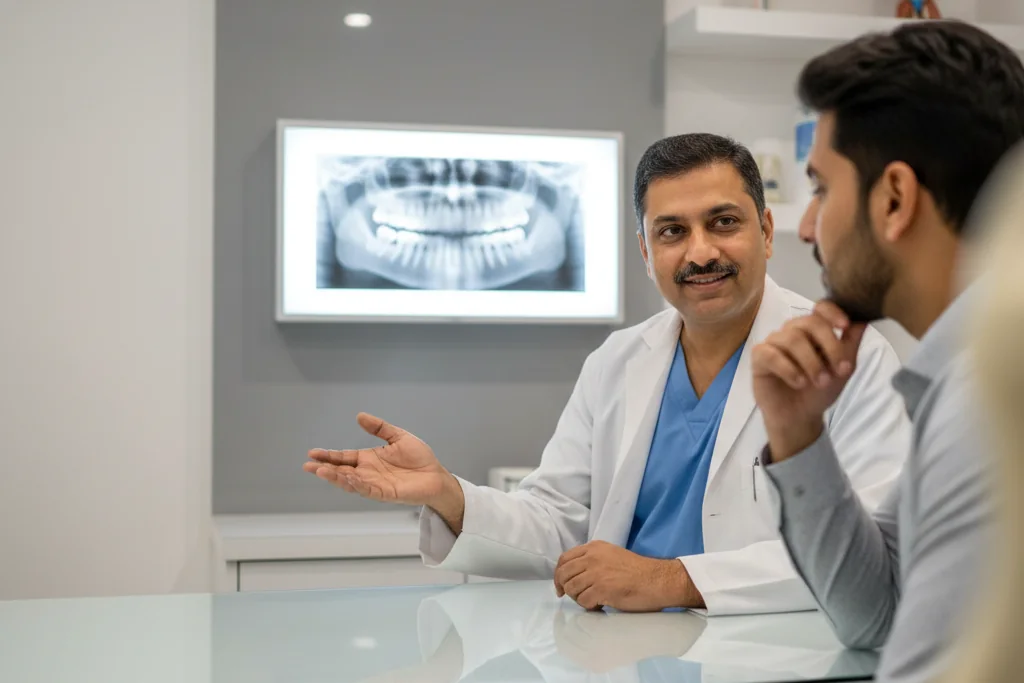
What is an Impacted Wisdom Tooth?
Wisdom teeth are the third and final set of molars that emerge in the very back corners of your mouth. From an evolutionary standpoint, our early human ancestors needed these extra teeth to grind down a tough diet of raw meats, roots, and coarse plants. However, as human diets evolved to include softer, cooked foods, our jawbones gradually became smaller over thousands of years. Today, most modern human jaws simply do not have enough physical space to accommodate these final four teeth.
An impacted wisdom tooth occurs when this third molar fails to erupt or grow normally due to a lack of space in the jawbone. Instead of emerging straight through the gums like a normal tooth, it gets blocked. The tooth remains trapped beneath the gum tissue or firmly lodged against the surrounding jawbone and neighbouring teeth. This blockage prevents the tooth from taking its proper functional position in your mouth.
Dentists classify these impactions based on the specific angle and position of the trapped tooth. Understanding the type of impaction helps the doctor plan the best approach for removal. The four primary types of impaction include:
- Mesioangular impaction: The tooth angles forward, pointing directly toward the front of your mouth. This is the most common type of impaction seen in patients.
- Vertical impaction: The tooth grows in a straight, upward direction but remains completely or partially trapped beneath the gum line.
- Distoangular impaction: The tooth angles backward, pointing toward the back of your throat and away from the other teeth.
- Horizontal impaction: The tooth grows completely sideways at a 90-degree angle, pushing aggressively into the roots of the adjacent second molar.
To resolve these painful and destructive issues, doctors perform wisdom tooth surgery. This procedure involves the careful surgical extraction of the trapped tooth from the jawbone. The surgery provides a permanent, definitive solution to the mechanical problem of a tooth that does not fit.
Why is this procedure necessary? Leaving a trapped tooth in your mouth creates a breeding ground for severe dental complications. It solves the immediate problem of intense, throbbing jaw pain. Furthermore, it prevents harmful bacteria from accumulating in the partially opened gum tissue, which stops recurrent oral infections. Removing the tooth also protects your healthy adjacent molars from irreversible root damage and deep decay. Finally, the surgery prevents the formation of dangerous cysts that can hollow out your jawbone over time.
If you have already lost other teeth due to decay or impaction damage, addressing your third molars is the first step toward restoring your smile. You can explore replacement options in our detailed guide on dental implant vs bridge vs denture.
Who Needs Wisdom Tooth Surgery?
Not every single person requires the removal of their third molars. If your jaw is large enough and the teeth emerge completely straight, you can keep them. Fully erupted teeth that function properly and are easy to clean with a toothbrush do not require extraction. However, the vast majority of people develop painful conditions that make surgical intervention absolutely necessary.
You will need this procedure if you experience specific symptoms or if your dentist detects underlying damage during a routine X-ray. Conditions that require immediate extraction include:
- Pericoronitis: A painful, recurring infection of the flap of gum tissue (operculum) that partially covers the emerging tooth.
- Unexplained, radiating pain or severe stiffness in the back of your jaw, neck, or ear.
- Deep cavities or structural damage in the adjacent second molar because the trapped tooth makes flossing impossible.
- The development of a fluid-filled cyst or a benign tumor around the trapped tooth root.
- Orthodontic complications where the pressure of the emerging tooth pushes your other straight teeth out of alignment.
- Chronic bad breath (halitosis) or a persistent foul taste in your mouth caused by trapped food and bacteria.
Conservative treatments often fail to provide long-term relief for an impacted wisdom tooth. Your doctor might prescribe a course of antibiotics or recommend warm saltwater rinses to manage a sudden flare-up of infection. While these methods reduce the immediate swelling and pain, they only mask the symptoms temporarily. They cannot fix the physical problem of a tooth trapped in bone. As long as the tooth remains stuck, the painful infections will inevitably return. Surgery remains the only permanent cure.
The ideal candidates for this surgery are typically young adults between the ages of 17 and 25. During this age window, the roots of the third molars are not yet fully developed, and the surrounding jawbone is less dense. This makes the surgical extraction much easier and significantly speeds up the healing process. However, older adults can and frequently do undergo the procedure safely when symptoms arise later in life.
In India, the prevalence of third molar impaction is notably high. Recent clinical studies indicate that approximately 26% to 27% of the urban Indian population experiences this condition. This high rate is closely linked to modern lifestyle and dietary shifts. Traditional Indian diets required vigorous chewing, which naturally stimulated proper jaw growth during childhood. Today, urban populations consume much softer, heavily processed foods. This lack of chewing resistance leads to underdeveloped jaw sizes that cannot fit the final molars. If you are experiencing unexplained jaw pain, you can explore our thorough Dentistry services to find the right diagnostic care.
How Wisdom Tooth Surgery is Performed
Understanding the exact steps of the surgical process can greatly reduce your pre-operative anxiety. The procedure is highly systematic, entirely routine, and prioritizes your comfort from the moment you sit in the dental chair.
The surgery always begins with administering proper anaesthesia to ensure you feel absolutely no pain during the extraction. Depending on the complexity of your specific impaction and your personal anxiety levels, your surgeon will select one of three anaesthesia options:
- Local anaesthesia: The doctor injects a numbing medication directly into the gum tissue surrounding the tooth. You remain fully awake and aware, but you will only feel mild pressure, not sharp pain.
- Conscious sedation: The medical team administers relaxing medication through an intravenous (IV) line in your arm. You will feel deeply relaxed, drowsy, and largely unaware of the procedure, though you can still respond to instructions.
- General anaesthesia: For highly complex cases or severe anxiety, an anaesthesiologist provides medication that makes you completely unconscious and asleep for the entire surgery.
Once the anaesthesia takes full effect, the surgeon begins the extraction process. Here is the step-by-step breakdown in simple terms:
- Making the incision: The surgeon uses a precise instrument to make a small cut in the gum tissue, exposing the hidden tooth and the bone covering it.
- Removing obstructing bone: If a layer of jawbone blocks access to the tooth root, the surgeon carefully removes a small amount of this bone using a specialized handpiece.
- Sectioning the tooth: To minimize trauma to the surrounding jawbone, the surgeon often cuts the trapped tooth into smaller, manageable pieces. This makes removal much gentler than trying to pull the entire tooth out at once.
- Extracting the fragments: The surgeon uses specialized dental instruments to gently lift and remove the sectioned pieces of the tooth from the socket.
- Cleaning the surgical site: After removing all tooth fragments, the surgeon thoroughly cleans the empty socket to wash away any remaining debris, bacteria, or tiny bone fragments.
- Stitching the gums: The surgeon places fine sutures (stitches) to close the gum tissue back together. This promotes faster healing and protects the bone. These stitches usually dissolve on their own within a week.
- Placing the gauze: Finally, the surgeon places a folded, sterile gauze pad over the extraction site and asks you to bite down firmly. This pressure controls bleeding and helps a important blood clot form in the socket.
The entire procedure typically takes between 30 to 60 minutes. The exact duration depends on how many teeth the surgeon removes and the severity of the impaction angles.
You do not need to plan for an overnight hospital stay for this surgery. It is performed entirely as a day-care procedure. After a brief observation period in our comfortable recovery room, you can return home the very same day. If you plan to undergo further dental restorations in the future, you can read about the next steps in our guide on dental implant types and procedure.
Preparing for Wisdom Tooth Surgery
Proper preparation is essential for delivering a smooth surgery and a rapid, complication-free recovery. Your healthcare team will guide you through a series of important steps in the days leading up to your procedure.
First, you will need to undergo specific pre-operative imaging and tests. The standard imaging test is an Orthopantomogram (OPG), which provides a wide, panoramic X-ray view of your entire upper and lower jaw. This image helps the surgeon evaluate the exact angle of the tooth and the shape of its roots. For more complex impactions, the doctor will order a Cone Beam Computed Tomography (CBCT) scan. This advanced 3D scan precisely maps out the location of the nerves and blood vessels in your jaw, allowing the surgeon to plan the safest extraction route. You may also need basic blood tests to verify your blood sugar levels and clotting times.
Your doctor will provide strict instructions regarding your current medications and habits. You must follow these rules carefully:
- Stop taking blood-thinning medications, such as aspirin or certain supplements, a few days before the procedure, but only under your doctor's direct supervision.
- Stop smoking or using tobacco products at least 48 hours before the surgery. Tobacco severely restricts blood flow, delays healing, and drastically increases the risk of post-operative infections.
- Start taking any prescribed pre-operative antibiotics exactly as directed to clear up any active gum infections before the surgery begins.
- If you are receiving IV sedation or general anaesthesia, you must strictly fast. Do not eat or drink anything, including water, for at least 8 hours before your scheduled appointment.
On the day of the surgery, you should arrive prepared and knowing what to expect. Wear loose, comfortable clothing with short sleeves so the nursing staff can easily check your blood pressure and place the IV line. Avoid wearing heavy makeup, lipstick, or bulky jewelry that might interfere with the procedure.
You must bring a responsible adult family member or friend with you to the hospital. Because the anaesthesia and sedation medications will impair your reflexes, memory, and judgment, you cannot safely drive yourself home. Your escort will wait for you during the procedure, drive you home safely, and help you pick up your prescribed pain medications from the pharmacy.
Recovery After Wisdom Tooth Surgery
Healing from an impacted wisdom tooth extraction requires time, rest, and careful attention to your mouth. Following your doctor's specific aftercare instructions is the single most important factor in achieving a smooth recovery.
The first 24 to 48 hours demand the most intensive care. You will naturally experience some bleeding, facial swelling, and discomfort. Keep the initial gauze pad in place for the first hour, biting down firmly to maintain steady pressure. If the site continues to ooze blood, replace the pad with a fresh, sterile piece of gauze. To manage facial swelling, apply an ice pack to the outside of your cheek for 15 minutes at a time, taking 15-minute breaks in between. Swelling typically peaks around the 48-hour mark before it gradually begins to subside. Take your prescribed pain medications exactly on schedule, even if you do not feel severe pain immediately. Preventing pain is much easier than trying to stop it once it escalates.
Your week-by-week recovery timeline will generally follow this pattern:
- Days 1 to 3: This is your critical resting phase. Limit all physical activity and avoid bending over. Keep your head elevated on two or three extra pillows when sleeping to reduce blood flow to the head, which minimizes throbbing and swelling.
- Days 4 to 7: The swelling and any facial bruising will begin to fade noticeably. Your jaw muscles might feel stiff, but you should gradually be able to open your mouth wider. If your surgeon used dissolvable stitches, they will begin to break down and fall out during this time.
- Week 2: Most patients feel completely back to normal by the second week. The soft gum tissue will have closed over the extraction site. However, the dense jawbone underneath will continue healing and filling in the empty space for several months.
Diet and activity restrictions play a massive role in your healing process. For the first few days, you must stick to a soft, nutritious, and cool Indian diet. Excellent food choices include cold curd rice, soft idli, plain upma, well-mashed khichdi, and fruit smoothies. You must strictly avoid hot, spicy, or acidic foods like rasam or heavy curries, as these will severely burn and irritate the raw healing gums. Do not eat hard, crunchy, or sticky foods like nuts, murukku, or chewing gum, which can easily get lodged in the surgical wound.
You must absolutely avoid two specific actions: spitting forcefully and using a drinking straw. The negative suction pressure created in your mouth by these actions can easily dislodge the protective blood clot from the healing socket. If this vital clot falls out, it exposes the underlying bone and raw nerves, leading to a highly painful complication.
You can usually return to normal daily activities, such as desk work or attending classes, within 2 to 3 days. However, you must avoid strenuous activities, heavy lifting, and intense gym workouts for at least one full week. Elevated blood pressure from heavy exercise can cause the healing surgical site to start bleeding all over again. If you are planning a full mouth rehabilitation after your extraction heals, you can read about advanced restorative options in our post on All-on-4 and All-on-6 implants.
Risks and Complications
Like any surgical procedure, wisdom tooth surgery carries a specific set of risks. However, when performed by an experienced oral and maxillofacial surgeon, the procedure is incredibly safe and routine.
Common, minor risks are simply a normal part of the body's natural healing process. These expected side effects include:
- Edema (swelling) of the cheeks, jawline, and sometimes the neck.
- Mild to moderate bruising on the outside of the face, which may turn yellow or green as it heals.
- Minor oozing of blood from the extraction site for the first 24 hours.
- Trismus, which is a temporary stiffness or restricted opening of the jaw muscles due to inflammation.
There are also rare but serious risks that you should be aware of before consenting to the surgery:
- Alveolar osteitis (Dry socket): This painful condition happens when the protective blood clot fails to form properly or dislodges prematurely. It causes intense, radiating pain that shoots up to the ear and requires immediate treatment with soothing medicated dressings.
- Paresthesia (Nerve injury): The roots of the lower third molars often sit dangerously close to the inferior alveolar nerve. This nerve provides feeling to your lower lip, chin, and tongue. If this nerve is bruised or stretched during the extraction, you may experience temporary numbness or a tingling sensation. Permanent nerve damage is extremely rare but possible.
- Infection: If food particles and bacteria get trapped in the healing socket, a secondary infection can develop. Signs include a sudden return of swelling, fever, or a foul-tasting discharge, which requires antibiotics and professional cleaning.
- Damage to adjacent teeth: In rare cases, the instruments used during extraction can chip or damage the neighbouring second molar or existing dental crowns.
At THANC Hospital, our surgical team takes extensive, proactive measures to minimize every single one of these risks. We use 3D CBCT imaging to map out the exact millimeter distance between your tooth roots and the vital nerves before the surgery even begins. This allows the surgeon to plan the safest, least invasive extraction path. Our hospital follows rigorous sterilization protocols to eliminate the risk of surgical infections. Furthermore, our doctors provide detailed, personalized aftercare instructions to help you protect the blood clot and avoid complications like dry socket.
Results and Success Rate
The results of this surgical procedure are highly predictable and overwhelmingly successful. Once the impacted wisdom tooth is physically removed from your jaw, the positive outcomes are permanent. You will experience complete, lifelong relief from the chronic pain, intense pressure, and recurrent gum infections that the trapped tooth caused.
You can expect your soft gum tissue to heal fully within two to three weeks. The jawbone will slowly fill in the empty socket over the next three to six months, leaving you with a solid, healthy jawline. Because the problematic tooth is entirely extracted, the impaction cannot possibly return. The success rate for this procedure is exceptionally high, and the vast majority of patients recover smoothly without any long-term issues. Removing the trapped tooth also secures the health of your remaining teeth, protecting your bite alignment and overall smile stay healthy for decades to come.
What Impacted Wisdom Tooth Surgery Costs
Impacted extractions sit at the higher end of wisdom tooth pricing because they take longer and demand far more surgical skill than a routine removal. Across Chennai practices, an impacted tooth typically ranges from ₹9,000 to ₹14,000 per tooth, reaching beyond ₹15,000 at the top of the market where the tooth is buried deep in bone. A straightforward extraction of a fully erupted tooth sits nearer ₹3,000 by comparison. Having all four removed in a single sitting typically falls in the ₹22,000 to ₹25,000 band and usually costs less per tooth than staging them across separate visits.
Three things push a case toward the upper end of that range. The grade of impaction matters most — a tooth covered only by soft tissue is far quicker to remove than one buried deep in bone. Proximity to the inferior alveolar nerve is the second factor, since roots sitting close to the nerve call for CBCT imaging and slower, more careful surgery. The third is anaesthesia: local anaesthesia is standard, while sedation or general anaesthesia adds theatre and anaesthetist charges.
These are prevailing market bands, not a quote. Fees differ considerably between independent practices, corporate dental chains, and hospital-based maxillofacial units. A unit equipped with 3D CBCT imaging, an on-site anaesthetist, and full theatre facilities sits at the upper end of the market — for a deeply impacted tooth sitting millimetres from the facial nerve, that difference is what protects you from permanent numbness. We provide a written estimate after examining you and reviewing your X-ray, before any treatment begins.
If you are still at the stage of working out whether your pain actually needs surgery, start with our guide to wisdom tooth pain — when to remove and what it costs, which covers the warning signs, home care, and what determines the price of removal in Chennai.
Why Choose THANC Hospital for Wisdom Tooth Surgery?
THANC Hospital provides highly specialized dental and maxillofacial care under the expert guidance of Dr. M. Veerabahu. With a high volume of successful complex extractions, our team provides a safe, precise, and comfortable surgical experience. We combine deep clinical expertise with compassionate patient care to guide you smoothly from consultation to full recovery. If you are suffering from jaw pain, you can easily Book an Appointment with our specialists today.
Frequently Asked Questions
How painful is wisdom tooth surgery?
The surgery itself is not painful at all because the doctor will use effective anaesthesia to numb the area completely. You will only feel some dull pressure and pushing during the procedure. After the surgery, you will experience some soreness and discomfort, but this is easily managed with the specific pain medications prescribed by your doctor.
How long does it take to recover from the extraction?
Most patients recover from the acute phase of swelling and discomfort within 3 to 5 days. You can usually return to work or school after 2 or 3 days of rest at home. Complete healing of the surface gum tissue takes about two weeks, while the bone underneath takes a few months to fully regenerate.
How much does impacted wisdom tooth surgery cost in Chennai?
Impacted extractions in Chennai typically run from ₹9,000 to ₹14,000 per tooth, reaching beyond ₹15,000 at the top of the market for the deepest bony impactions, with all four in one sitting typically falling between ₹22,000 and ₹25,000. What decides your position in that band is how deeply the tooth is buried, whether a CBCT scan is needed to map the nerve, and the type of anaesthesia used. Hospital-based maxillofacial units sit at the upper end. These are prevailing market bands — we give a written estimate after examination and X-ray.
Can I brush my teeth after the surgery?
Yes, you should continue to brush your teeth to keep your mouth clean, but you must be very gentle. For the first 24 hours, completely avoid brushing the teeth directly next to the surgical site. Do not spit forcefully or rinse vigorously; instead, let the water gently fall out of your mouth to protect the healing blood clot.
What happens if I do not remove an impacted wisdom tooth?
Ignoring a trapped tooth can lead to severe, cascading complications over time. You may develop chronic, painful infections, or dangerous cysts that can slowly destroy your jawbone. Additionally, the trapped tooth can push against your other teeth, causing severe crowding and permanent structural damage to the adjacent molars.
Is it safe to eat normal food after the procedure?
You must avoid normal, solid foods for the first few days to protect the delicate surgical site. Stick to a soft, cool diet like mashed vegetables, curd rice, and soft idli. You can gradually reintroduce solid foods after a week as your jaw stiffness improves and the gum tissue heals over the socket.
What is a dry socket and how can I prevent it?
A dry socket occurs when the protective blood clot in the healing socket dislodges or dissolves too early, exposing the underlying bone and raw nerves to air and food. You can easily prevent it by not smoking, strictly avoiding the use of drinking straws, and not spitting forcefully for at least one full week after your surgery.
Learn more about Dentistry
View treatments, doctors & FAQs
Concerned about this condition?
Our specialists can help. Book a consultation today.
Book Consultation