
In this article
- What Is Facelift Surgery (Rhytidectomy) and How Does It Work?
- Key Signs You Are an Ideal Candidate for a Facelift
- Surgical Facelift vs. Mini Facelift vs. Neck Lift: Which Is Right for You?
- Surgical Facelift vs. Non-Surgical Options: Fillers, Botox, and Energy Devices
- Enhancing Outcomes: Combining Facelifts with Blepharoplasty and Fat Grafting
- How to Prepare for Your Facelift Surgery
- Week-by-Week Facelift Recovery Timeline
- Surgical Safety and Facial Nerve Preservation
- Cost of Facelift Surgery in Chennai and Factors Influencing Pricing
- How Long Does a Facelift Last? Longevity and Maintenance
- Facial Plastic Surgery at THANC Hospital, Chennai
- Frequently Asked Questions
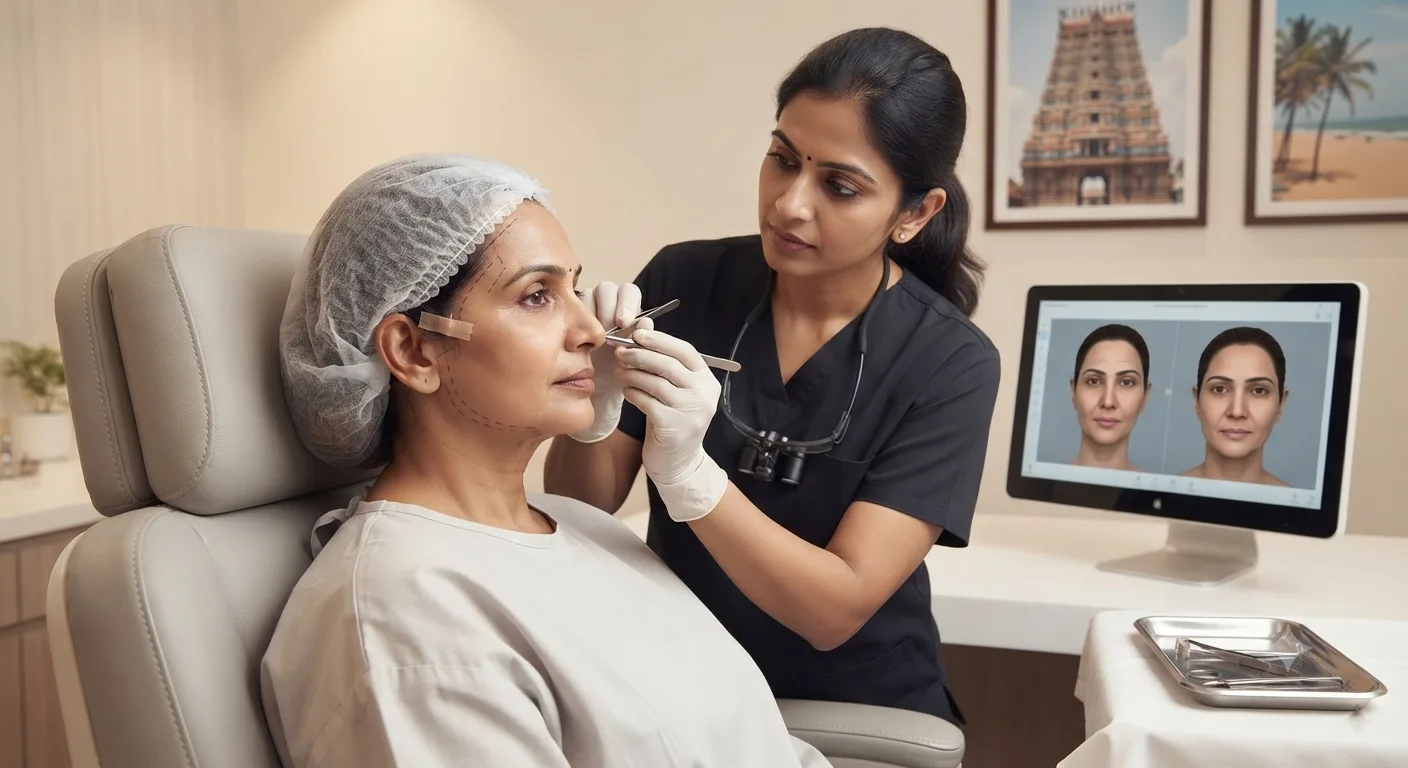
Facial aging is a complex biological process involving the gradual descent of deep structural tissues, loss of skin elasticity, and structural volume depletion. For patients considering facelift surgery in Chennai, understanding the underlying surgical techniques, anticipated recovery phases, and procedural costs is essential for achieving a refined, natural rejuvenation. This clinical guide details modern rhytidectomy approaches, safety standards, and practical planning considerations to help you make an informed decision.
What Is Facelift Surgery (Rhytidectomy) and How Does It Work?
A facelift, clinically known as a rhytidectomy, is a specialized surgical procedure designed to elevate, reposition, and redrape sagging facial tissues, muscle layers, and skin. Rather than simply pulling the surface skin tight—an outdated technique that often led to an unnatural, "windswept" appearance—modern aesthetic surgery focuses on deep structural repositioning.
The facial framework is layered. Beneath the cutaneous skin and subcutaneous fat lies a fibro-muscular network termed the Superficial Musculoaponeurotic System (SMAS). True surgical rejuvenation involves mobilizing and resuspending this deeper SMAS layer, which carries the overlying fat compartments and skin back to their anatomical positions. Once the deep structural scaffolding is elevated and anchored with internal sutures, the redundant skin is redraped tension-free, and excess skin is excised along discreet, natural anatomical folds.
The primary aesthetic goals of a modern rhytidectomy include:
- Restoring a sharp, clean jawline by eliminating lower-cheek jowls.
- Repositioning malar (cheek) fat pads to restore natural midface volume.
- Smoothing deep nasolabial folds and downward marionette lines around the mouth.
- Recontouring the region under the chin and the neck for a youthful cervicomental angle.
Understanding Facial Aging: Volume Loss vs. Tissue Sagging
Facial aging is a multi-layered process involving bone resorption, facial ligament attenuation, fat atrophy, and dermal collagen breakdown. As deep retaining ligaments lose their rigidity, gravity pulls the descending midface fat downward, creating hollows under the eyes and deep folds beside the nose. Simultaneously, the lower border of the mandible loses definition as the SMAS weakens, resulting in jowl formation. Addressing this requires more than just filling hollow spaces or tightening the skin; it requires an integrated approach that lifts dropped tissues while preserving natural facial proportions, often discussed in clinical contexts such as facial contouring and jaw reshaping.
The Role of Deep SMAS Elevation in Natural Results
The SMAS layer is continuous with the platysma muscle of the neck. When a surgeon performs deep SMAS elevation—whether through SMAS plication, SMASectomy, or deep-plane dissection—the lifting tension is placed entirely on strong, fibrous tissue rather than on the skin. This delivers three crucial benefits:
- Natural Expression: Facial animation remains authentic because the skin is not under unnatural lateral tension.
- Inconspicuous Scars: Because incisions are closed without tension, surgical scars heal as fine, pale lines hidden within the hair and natural ear contours.
- Extended Longevity: Fibrous muscular structures maintain their repositioned elevation far longer than elastic skin, providing results that endure for a decade or more.
Key Signs You Are an Ideal Candidate for a Facelift
Not every individual experiencing facial aging requires surgical intervention. Determining candidacy requires a thorough evaluation of soft-tissue descent, skin elasticity, skeletal support, and systemic health.
Anatomical Indicators for Surgical Intervention
An ideal surgical candidate presents with moderate-to-advanced structural laxity that non-invasive energy devices and dermal fillers can no longer correct. Key anatomical signs include:
- Pronounced Jowling: Disruption of the straight mandibular contour caused by the descent of buccal and facial fat pads.
- Loss of Cervicomental Definition: An obtuse angle between the submental chin area and the neck, frequently accompanied by vertical platysma muscle banding.
- Midface Sagging: Flattening of the anterior cheeks, creating prominent tear troughs and deep perioral grooves.
- Structural Asymmetry: Age-related changes that accentuate underlying skeletal or soft-tissue deviations, requiring careful pre-operative facial asymmetry evaluation to plan balanced elevation.
Health and Lifestyle Factors That Influence Candidacy
Surgical safety and wound healing depend heavily on overall systemic health. Ideal candidates fall within the following parameters:
- Age Range: Most patients undergo the procedure between ages 45 and 75, though biological tissue quality and personal aesthetic goals dictate timing more than chronological age.
- Non-Smokers: Nicotine compromises microvascular blood supply, substantially elevating the risk of skin flap necrosis and poor scar healing. Complete smoking cessation for at least 4 to 6 weeks pre- and post-surgery is mandatory.
- Systemic Medical Control: Conditions such as hypertension and diabetes must be well-managed to minimize the risk of post-operative hematoma or delayed healing.
- Emotional Readiness: Candidates must possess a clear, grounded understanding of what rhytidectomy can achieve—restoring a refreshed version of oneself rather than altering baseline identity.
Surgical Facelift vs. Mini Facelift vs. Neck Lift: Which Is Right for You?
Facial rejuvenation is not a one-size-fits-all procedure. The optimal surgical technique depends on the precise anatomical areas requiring correction.
| Parameter | Full SMAS Facelift | Mini Facelift ("Short Scar") | Isolated Neck Lift (Platysmaplasty) |
|---|---|---|---|
| Primary Target Areas | Lower two-thirds of face, jowls, midface, and upper neck | Lower cheeks, mild jowls, pre-auricular laxity | Submental fat, platysmal bands, sagging neck skin |
| Incision Extent | Temple hairline, around earlobe, into post-auricular hairline | Confined around the anterior ear and earlobe | Behind ears and a small incision under the chin |
| Anaesthesia Type | General anaesthesia or deep IV sedation | Local anaesthesia with sedation | Local with sedation or general anaesthesia |
| Downtime / Recovery | 2 to 3 weeks for social recovery | 7 to 10 days for social recovery | 10 to 14 days for social recovery |
| Durability | 10 to 15 years | 5 to 8 years | 10 to 12 years |
When a Mini Facelift Is Sufficient
A mini facelift, often referred to as a "short-scar" facelift, focuses primarily on the lower cheek and early jowl descent. It utilizes limited incisions placed directly along the natural anterior border of the ear, minimizing dissection. This approach is best suited for younger patients (typically late 30s to late 40s) who have good baseline skin elasticity and localized mild sagging, but do not yet present with significant platysmal banding or extensive neck skin redundancy.
Why Neck Lifts Are Commonly Performed with Facelifts
The lower face and the neck function as a single anatomical unit. The SMAS of the face transitions seamlessly into the platysma muscle of the neck. When jowls descend, there is almost always a corresponding loss of sharpness in the neck profile. Performing a comprehensive neck lift alongside a facelift allows the surgeon to:
- Directly visualize and tighten separated platysmal bands in the midline (corset platysmaplasty).
- Excise deep subplatysmal fat deposits for a sculpted cervicomental angle.
- Ensure that the transition between the rejuvenated jawline and the neck appears continuous and balanced, occasionally paired with a genioplasty for weak chin enhancement to reinforce bone projection.
Surgical Facelift vs. Non-Surgical Options: Fillers, Botox, and Energy Devices
Non-surgical aesthetic treatments have advanced significantly, but they address facial aging through fundamentally different mechanisms than surgery.
- Botulinum Toxin: Temporarily inhibits muscular contractions to soften dynamic expression lines (such as crow's feet and frown lines). It does not lift descended soft tissue or remove excess skin.
- Dermal Fillers: Add volume to depleted compartments. While effective for localized hollows, using large volumes of filler to "lift" sagging skin can lead to an overfilled, unnatural appearance.
- Energy-Based Devices (HIFU, Radiofrequency): Apply controlled thermal energy to stimulate new collagen formation. These treatments produce mild tissue contraction but cannot replicate the structural repositioning achieved by surgical SMAS dissection.
When skin redundancy is substantial, continuing to inject dermal fillers to create tension only distorts normal facial contours. Over a 5- to 10-year span, the cumulative cost of repeated filler and neurotoxin sessions often matches or exceeds the one-time investment of a surgical rhytidectomy. In modern facial plastic practice, non-surgical modalities are best utilized as adjuncts rather than replacements—used after surgical healing to optimize surface skin texture, fine lines, and localized dynamic wrinkles.
Enhancing Outcomes: Combining Facelifts with Blepharoplasty and Fat Grafting
Comprehensive facial rejuvenation often involves addressing the upper, middle, and lower face simultaneously to maintain balance.
Periorbital Rejuvenation Through Eyelid Surgery
The eyes are frequently the first area to show significant signs of aging. While a facelift rejuvenates the lower two-thirds of the face, it does not alter the periorbital structures. Blepharoplasty (eyelid surgery) removes excess upper eyelid skin and herniated fat that causes drooping, and addresses infraorbital fat bags in the lower lid—working harmoniously with a midface lift.
Restoring Structural Volume with Facial Fat Transfer
While lifting repositions descended tissues, it does not replenish age-related loss of subcutaneous fat. Autologous facial fat grafting collects fat cells from the patient's abdomen or thighs via gentle liposuction, purifies them, and micro-injects them into depleted zones such as the cheeks, temples, and perioral region. Combining structural SMAS lifting with micro-fat grafting addresses both sagging and volume depletion in a single surgical session under one anaesthesia cycle.
How to Prepare for Your Facelift Surgery
Proper pre-operative preparation optimizes surgical safety, minimizes bleeding, and supports an uneventful recovery.
Medical Clearances and Medication Management
- Laboratory Profiles: Complete blood count, coagulation panel, renal and liver function tests, and infectious disease screening.
- Cardiovascular Assessment: Electrocardiogram and clearance from a physician or cardiologist, ensuring blood pressure is well-regulated.
- Medication Review: Discontinue antiplatelet and anticoagulant agents, NSAIDs such as ibuprofen, and supplements that promote bleeding (Vitamin E, garlic, ginger, and ginseng) 14 days before surgery.
Home Recovery Setup
- Sleep Elevation: Arrange a wedge pillow or recliner to keep your head elevated at a 30- to 45-degree angle, which significantly accelerates swelling reduction.
- Cold Therapy: Prepare gel cold packs or soft cloth compresses to soothe the cheeks and periorbital area during the first 48 hours.
- Nutrition: Stock up on soft, low-sodium foods that require minimal chewing, and stay hydrated.
- Support Caregiver: Arrange for a family member to assist you for the first 48 hours following discharge.
- Smoking Cessation: Discontinue all nicotine and tobacco products for at least 4 to 6 weeks before and after surgery.
Week-by-Week Facelift Recovery Timeline
Recovery from a facelift follows a predictable clinical timeline. While personal healing rates vary, the phases below serve as a reliable guide.
Week 1: Immediate Post-Operative Phase
- Bandages and Drains: Light compressive head dressings and small suction drains (if placed) are typically removed within 24 to 48 hours.
- Swelling and Bruising: Peak swelling occurs around day 3. Sensations of tightness and numbness around the ears and jaw are normal.
- Suture Removal: Pre-auricular and delicate facial sutures are routinely removed between days 5 and 7.
Weeks 2 to 3: Resolution and Social Integration
- Bruising Dissipation: Residual bruising changes from purple to light yellow and can easily be concealed with mineral makeup once incisions close.
- Return to Work: Most patients feel comfortable returning to desk-based roles and routine social activities by day 14.
- Mobility: Gentle walking is encouraged, though strenuous physical exertion and heavy lifting must be avoided.
Weeks 4 to 6: Tissue Softening and Resuming Full Activity
- Exercise Clearance: Light cardiovascular workouts can be resumed at week 4, with full-intensity exercise cleared by week 6.
- Sensation Changes: Minor tingling and itching indicate normal nerve regeneration within the surgical flaps.
- Scar Softening: Incision lines begin to soften, transition from pink to flesh tones, and settle smoothly into natural creases.
Managing Swelling and Long-Term Scar Care
Swelling management relies on consistent head elevation, a low-sodium diet, and avoiding thermal extremes such as saunas or hot showers. Surgical incisions must be shielded from direct sun exposure using broad-spectrum sunscreen and protective hats for at least six months. Medical-grade silicone gels or scar sheets can be applied once the incisions are completely healed to promote thin, pale, and discreet scars.
Surgical Safety and Facial Nerve Preservation
Facelift surgery is a delicate procedure requiring meticulous surgical technique. The human face is innervated by the seventh cranial nerve (the facial nerve), which splits into five major branches beneath the parotid gland: temporal, zygomatic, buccal, marginal mandibular, and cervical. Specialized knowledge of this anatomy is essential to prevent injury during sub-SMAS dissection—a level of surgical care also exercised when treating conditions like facial nerve paralysis or operating around salivary gland tumors.
Advanced safety protocols include:
- Sub-SMAS Dissection Planes: Modern techniques dissect within precise anatomical planes, staying superficial to the deep fascia that protects motor nerve branches.
- Hematoma Prevention: Hematoma is the most common early complication of rhytidectomy. Surgeons prevent this through precise bipolar electrocautery, careful blood pressure control during anaesthesia emergence, and light post-operative drainage.
- Infection Control: Surgery is performed under strict operating theatre sterility with prophylactic antibiotics, ensuring a low incidence of surgical site infections.
Cost of Facelift Surgery in Chennai and Factors Influencing Pricing
The cost of rhytidectomy varies based on surgical complexity, hospital facilities, anaesthesia requirements, and combined procedures.
| Procedure Category | Typical Cost Range (INR) |
|---|---|
| Mini Facelift (Short Scar / Limited SMAS) | ₹1,20,000 – ₹2,00,000 |
| Standard Full SMAS Facelift + Neck Tightening | ₹2,20,000 – ₹3,50,000 |
| Extended / Deep Plane Facelift + Platysmaplasty | ₹3,20,000 – ₹4,50,000 |
| Comprehensive Facelift + Blepharoplasty + Fat Transfer | ₹3,80,000 – ₹5,50,000+ |
Costs are indicative estimates and vary with clinical evaluation and hospital infrastructure.
Key Drivers of Procedural Costs
- Surgical Complexity: A targeted mini facelift requires less operating time than an extended deep-plane facelift combined with an open corset platysmaplasty.
- Operating Facility Quality: Undergoing surgery in a fully equipped super-speciality hospital with advanced operating suites and on-site intensive care provides a higher level of safety than a standalone cosmetic clinic.
- Surgeon Expertise and Specialty: Board-certified facial plastic surgeons with focused training in head and neck anatomy command fees reflective of their clinical experience and lower complication rates.
- Anaesthesia and Nursing Care: General anaesthesia administered by a dedicated head and neck anaesthesiologist ensures safe intra-operative monitoring and recovery.
A transparent surgical estimate should clearly outline surgeon and assistant fees, anaesthesia and specialist fees, operating theatre charges and consumables, the inpatient room stay, and standard post-operative follow-up visits and suture removal sessions.
How Long Does a Facelift Last? Longevity and Maintenance
A well-executed SMAS facelift provides enduring aesthetic benefits. On average, the results of a comprehensive facelift last 10 to 15 years. A facelift does not halt the biological aging process; rather, it resets your appearance to where it was a decade earlier. As time passes, your face continues to age naturally from that elevated baseline, meaning you will consistently look more refreshed than if you had not undergone the procedure.
Factors that prolong longevity:
- Sun Protection: Daily use of broad-spectrum sunscreen prevents premature skin laxity.
- Stable Weight Maintenance: Substantial weight fluctuations stretch facial skin and alter fat compartments, which can compromise the surgical outcome.
- Medical Skincare: Topically applied retinoids, vitamin C serums, and targeted hydrators maintain dermal thickness and cell turnover.
- Targeted Touch-Ups: Periodic, conservative non-surgical treatments help preserve tissue tone and skin brightness over the long term.
Facial Plastic Surgery at THANC Hospital, Chennai
THANC Hospital is a super-speciality medical center located in Kilpauk, Chennai, dedicated to advanced ENT, head and neck oncology, oral and maxillofacial surgery, and facial plastic reconstructive procedures. The hospital delivers comprehensive, multi-disciplinary care for complex facial interventions, reconstructive surgeries for facial fractures and trauma, and advanced aesthetic facial procedures.
Facial Plastic Surgery Under the Care of Dr. Vidhyadharan S
Facial aesthetic surgery demands deep, precise anatomical knowledge of the delicate nerves, vascular networks, and muscular structures of the face and neck. At THANC Hospital, facelift procedures are performed by the dedicated Facial Plastic Surgery team of Dr. Vidhyadharan S, Clinical Director at THANC Hospital, with every patient admitted under his care. Every procedure is planned with meticulous attention to facial anatomy, prioritizing both safety and natural, balanced outcomes.
Every face has a unique skeletal foundation, soft-tissue distribution, and aesthetic goal. During an in-depth consultation, your facial architecture is carefully analyzed, allowing the team to design a tailored surgical plan that restores youthful harmony while protecting your facial identity.
Frequently Asked Questions
Is facelift surgery painful?
Facelift surgery is performed under general anaesthesia or deep intravenous sedation, ensuring you feel no discomfort during the procedure. Post-operatively, patients typically describe a sensation of tightness, fullness, and mild tenderness around the jaw and ears rather than acute pain. This discomfort is well-managed with standard oral analgesics and typically subsides within 3 to 5 days.
Will I have noticeable scars after a facelift?
Incisions are placed within natural anatomical boundaries—along the temporal hairline, tracing the natural contours of the ear cartilage, around the earlobe, and into the crease behind the ear. Because modern techniques place all lifting tension on the deeper SMAS layer, skin incisions heal without tension, fading into faint lines that are difficult to see once fully matured.
At what age should I consider getting a facelift?
There is no single "correct" age for a facelift. Most patients seek surgical rejuvenation between ages 45 and 70, when soft tissue sagging, jowls, and neck laxity become prominent. Some individuals with early hereditary jowls opt for a mini facelift in their late 30s or 40s, while others achieve excellent results in their 70s provided they are in good overall health.
Can a facelift fix sagging upper and lower eyelids?
A standard rhytidectomy addresses the lower two-thirds of the face—the cheeks, jowls, and neck. It does not correct excess skin or fat pads around the eyes. However, blepharoplasty (eyelid surgery) is routinely performed alongside a facelift during the same operative session to achieve complete, balanced facial rejuvenation.
How soon after surgery can I travel or fly?
Patients residing outside Chennai or traveling internationally should plan to stay in the city for at least 7 to 10 days post-surgery. This window allows for close monitoring, removal of drains and sutures, and a formal clearance examination before you travel home.
Learn more about Facial Plastic Surgery
View treatments, doctors & FAQs
Concerned about this condition?
Our specialists can help. Book a consultation today.
Book Consultation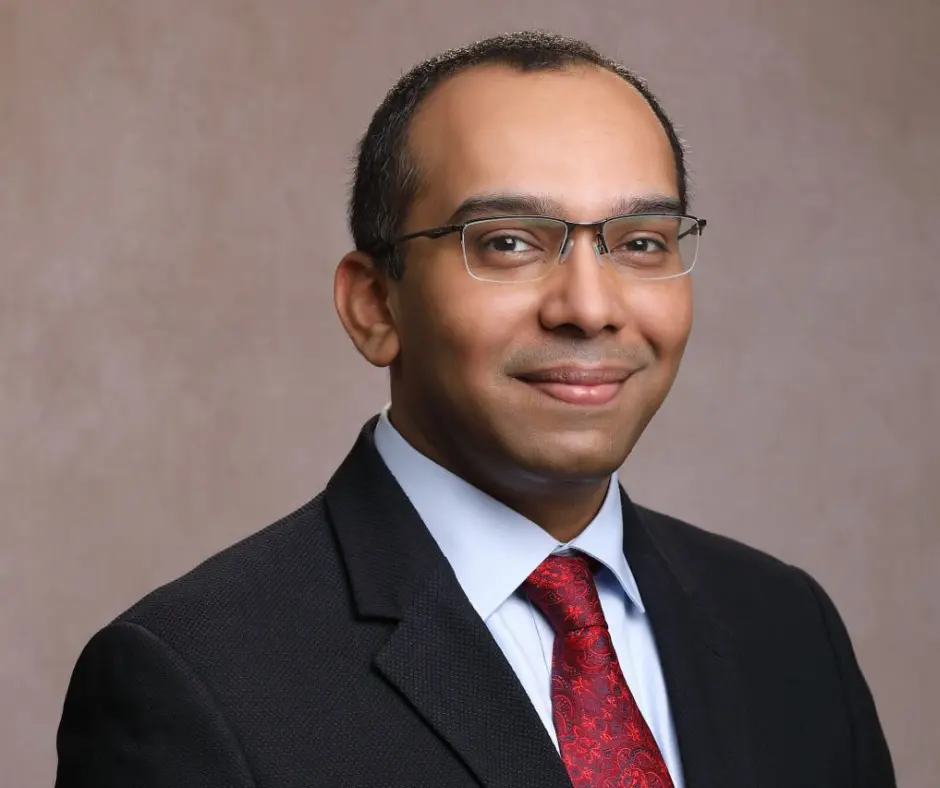
MBBS, MS (ENT), DNB (ENT), MCh (Head & Neck), FICRS, FEB – ORL HNS, ASOHNS
Clinical Director & Senior Consultant Surgeon