
In this article
- What is Vestibular Migraine?
- The Anatomy of Balance: How Your Body Stays Upright
- Causes and Risk Factors
- Signs and Symptoms
- How is Vestibular Migraine Diagnosed?
- Treatment Options
- Living with Vestibular Migraine / Recovery and Outlook
- Why Choose THANC Hospital for Vestibular Migraine?
- Frequently Asked Questions
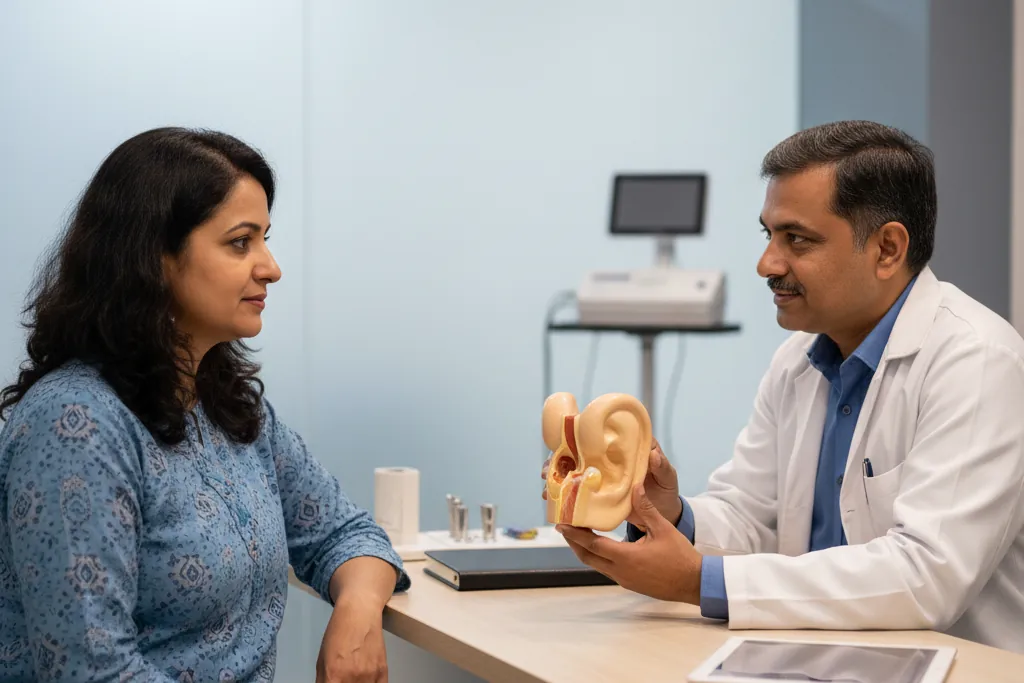
What is Vestibular Migraine?
When most people hear the word "migraine," they immediately think of a severe, throbbing headache. However, a migraine is actually a complex neurological condition that can affect your brain and body in many different ways. When a migraine affects the balance centers of your brain and inner ear, doctors call it a vestibular migraine.
The vestibular system is the part of your inner ear and brain that controls your sense of balance and spatial awareness. When this system malfunctions during a migraine attack, it causes vertigo (a false sensation that you or your surroundings are spinning). This condition creates a highly uncomfortable situation where a headache with vertigo disrupts your daily life. You might feel like you are moving when you are sitting completely still, or you might feel like the room is tilting around you.
Vestibular migraine is incredibly common, yet doctors frequently underdiagnose it. In India, research shows that among patients who visit a clinic for dizziness, roughly 30% to 50% actually suffer from vestibular migraine. It can affect anyone at any age, but it most frequently impacts women between the ages of 30 and 50. Many patients who develop this condition have a history of regular migraines or motion sickness during their childhood.
Understanding this condition is the first step toward finding relief. Many patients suffer for years, bouncing from doctor to doctor, because they do not realize that their dizziness and their headaches come from the exact same root cause. By learning how your brain processes balance and pain, you can take active steps to manage your symptoms and regain control of your life.
The Anatomy of Balance: How Your Body Stays Upright
To understand why a vestibular migraine happens, you first need to understand how your body maintains its balance. Your brain acts as a central computer that constantly receives information from three main sources. First, your eyes tell your brain where you are in space and how you are moving. Second, sensory nerves in your muscles and joints tell your brain about your body's position. Third, the inner ear detects the movement of your head.
Your inner ear contains three tiny, fluid-filled tubes called semicircular canals. When you move your head, the fluid inside these tubes moves. Tiny hair cells inside the tubes detect this fluid movement and send electrical signals through the vestibular nerve directly to your brain. Your brain processes these signals instantly, allowing you to walk, run, and turn your head without falling over.
During a vestibular migraine attack, the blood vessels and nerve pathways in your brain become highly sensitive and inflamed. This inflammation disrupts the normal signals traveling between your inner ear and your brain. Your brain starts receiving mixed messages. Your eyes and joints might say you are sitting still, but your inflamed vestibular nerve tells your brain that you are spinning rapidly.
This sensory conflict causes the intense dizziness and nausea associated with the condition. Your brain simply cannot make sense of the conflicting information. This is why you might feel completely off-balance even when you are resting safely in your bed. Understanding this process helps explain why treatments focus on calming the brain rather than just treating the ear.
Causes and Risk Factors
Doctors and researchers do not fully understand the exact cause of vestibular migraine. However, they know it involves a combination of genetics, environmental triggers, and changes in brain chemistry. If you have a family member who suffers from migraines, you have a much higher risk of developing them yourself.
While you cannot change your genetics, you can control your exposure to triggers. A trigger is a specific event, food, or situation that sets off a migraine attack. In India, our unique climate, diet, and lifestyle create specific risk factors that patients need to watch closely.
Common causes and triggers include:
- Dietary Triggers: The traditional Indian diet often includes foods that can trigger migraines. High sodium intake from pickles, papad, and salty snacks causes fluid retention in your inner ear, which worsens dizziness. Fasting or skipping meals—a common practice in Indian culture—causes drops in blood sugar that frequently trigger attacks.
- Caffeine and Additives: Drinking excessive amounts of strong tea or coffee overstimulates your nervous system. Additionally, monosodium glutamate (MSG), a flavor enhancer found in many packaged and fast foods, is a well-known migraine trigger.
- Hormonal Changes: Women frequently experience attacks right before or during their menstrual periods. The sudden drop in estrogen levels makes the brain more sensitive to migraine triggers.
- Environmental Factors: India's extreme summer heat and high humidity can easily cause dehydration, leading to a headache with vertigo. Strong smells, such as heavy incense sticks (agarbatti), strong perfumes, or pungent cooking odors, can also overload your sensory system and start an attack.
- Lifestyle and Stress: High levels of emotional stress, anxiety, and poor sleep habits are major culprits. Working long hours in front of a computer screen without breaks strains your eyes and neck, which can trigger the neurological pathways responsible for migraines.
- Tobacco Use: Smoking or chewing tobacco restricts blood flow to your brain and inner ear. This lack of oxygen makes your vestibular system highly vulnerable to dysfunction.
Signs and Symptoms
The symptoms of a vestibular migraine can vary wildly from person to person. Some patients experience severe symptoms that leave them bedridden, while others experience mild unsteadiness that they can push through. The most confusing aspect of this condition is that you do not always need to have a headache to have a vestibular migraine.
The attacks can last anywhere from five minutes to three full days. You might experience the symptoms all at once, or they might appear one by one over several hours. Because the symptoms overlap with many other conditions, you should familiarize yourself with the specific warning signs.
Vestibular symptoms include:
- Spontaneous Vertigo: A sudden, intense feeling that you or the room is spinning, even when you are completely still.
- Positional Vertigo: Dizziness that happens only when you move your head, bend over, or roll over in bed.
- Unsteadiness: A feeling like you are walking on a boat or swaying, which makes you lose your balance.
- Motion Sickness: Feeling extremely nauseous or dizzy when riding in a car, train, or elevator.
Migraine symptoms include:
- Throbbing Headache: A moderate to severe pulsing pain, usually on one side of your head.
- Photophobia: An extreme sensitivity to bright lights, sunlight, or digital screens.
- Phonophobia: An extreme sensitivity to loud noises, traffic sounds, or even normal conversations.
- Visual Aura: Seeing flashing lights, zigzag lines, or blind spots in your vision right before the dizziness starts.
When to See a Doctor
You should never ignore severe or recurring dizziness. While vestibular migraine is highly manageable, dizziness can sometimes indicate a more serious medical emergency. You should seek immediate medical attention if your vertigo comes with sudden hearing loss, difficulty speaking, numbness in your face or limbs, or double vision.
If you experience frequent episodes of a headache with vertigo that force you to miss work or skip social events, it is time to consult a specialist. You can learn more about the different reasons for dizziness by reading our guide on vertigo causes and types.
How is Vestibular Migraine Diagnosed?
Diagnosing a vestibular migraine requires careful detective work. There is no single blood test, X-ray, or brain scan that can definitively prove you have this condition. Instead, your doctor makes a clinical diagnosis based on your medical history, your specific symptoms, and by ruling out other possible causes of dizziness.
When you visit the Vertigo Clinic at THANC Hospital, your doctor will start by asking you detailed questions. You will need to describe exactly what your dizziness feels like, how long it lasts, and what other symptoms accompany it. Your doctor will also ask about your family history of headaches and your daily lifestyle habits.
After taking your history, your doctor will perform a thorough physical and neurological examination. We use several specialized tests to evaluate your balance system and rule out other ear conditions:
- Videonystagmography (VNG): During this test, you wear special goggles equipped with infrared cameras. The cameras track your tiny eye movements while you follow visual targets or while the doctor gently introduces warm and cool air into your ears. This helps determine if the dizziness comes from your inner ear or your brain.
- Audiometry (Hearing Test): Your doctor will test your hearing to ensure you do not have hearing loss. This is important for ruling out other conditions. For example, if you have vertigo along with low-frequency hearing loss and ringing in your ears, you might have Meniere's disease instead. You can read more about this in our Meniere's disease management article.
- Positional Testing: Your doctor will move your head and body into specific positions to see if it triggers dizziness. This helps rule out Benign Paroxysmal Positional Vertigo (BPPV), a different condition caused by loose crystals in the inner ear. Learn more about BPPV assessment and repositioning at the hospital on our blog.
- Imaging Scans: In some cases, your doctor might order a Magnetic Resonance Imaging (MRI) scan of your brain. The MRI does not diagnose the migraine, but it so that no tumors, strokes, or other structural issues are causing your symptoms.
Treatment Options
Treating a vestibular migraine requires a structured, multi-step approach. Because the condition involves both your brain and your lifestyle, a simple pill will not cure it overnight. Your doctor will work with you to create a treatment plan that reduces the frequency of your attacks and stops them quickly when they do occur.
The treatment generally falls into four main categories: lifestyle modifications, acute medications, preventive medications, and physical therapy.
Lifestyle and Diet Modifications
Your first line of defense is changing your daily habits to avoid triggers. Your doctor will ask you to keep a detailed migraine diary. Every time you feel dizzy, you will write down what you ate, how much you slept, and your stress levels. Over time, this diary reveals your personal triggers. You will need to eat meals at regular times, reduce your salt and caffeine intake, and ensure you drink plenty of water throughout the day.
Acute Medications (Abortive Therapy)
When an attack strikes, you need fast relief. Your doctor prescribes acute medications to stop the symptoms as quickly as possible. These might include vestibular suppressants (medicines that calm the inner ear) to stop the spinning sensation. Your doctor might also prescribe anti-nausea medications to settle your stomach and specific pain relievers to stop the headache. You should only take these medications during an active attack, as taking them too often can actually cause rebound headaches.
Preventive Medications (Prophylactic Therapy)
If you experience more than three severe attacks per month, or if the attacks completely disrupt your life, your doctor will prescribe preventive medications. You take these medicines every single day, even when you feel perfectly fine. They work by stabilizing the blood vessels and nerve pathways in your brain, making them less reactive to triggers. Common preventive options include blood pressure medications, anti-seizure medications, or certain antidepressants that have proven effective for migraine prevention.
Vestibular Rehabilitation Therapy (VRT)
Medication alone is often not enough to restore your balance completely. Vestibular Rehabilitation Therapy is a specialized form of physical therapy designed to retrain your brain. A trained therapist will teach you specific exercises that improve your gaze stability and balance.
For example, you might practice focusing on a stationary target while moving your head side to side. Over time, these exercises help your brain adapt to the mixed signals it receives from your inner ear. VRT is highly effective in reducing the lingering unsteadiness that many patients feel between major migraine attacks.
Living with Vestibular Migraine / Recovery and Outlook
Living with a chronic condition can feel overwhelming, but vestibular migraine is highly manageable. With the right combination of treatment and lifestyle adjustments, most patients experience a dramatic reduction in their symptoms. You can return to your normal work, hobbies, and family activities without living in constant fear of the next dizzy spell.
Recovery requires patience and consistency. Preventive medications often take several weeks or even a few months to build up in your system and show their full effect. During this time, you must strictly adhere to your lifestyle modifications.
Focus heavily on your sleep hygiene. Go to bed and wake up at the exact same time every day, even on weekends. Your brain craves routine, and irregular sleep patterns are a massive trigger for neurological issues. Practice stress management techniques daily. Deep breathing exercises, gentle yoga, and meditation can significantly lower your baseline stress levels, making your brain less prone to migraine attacks.
Follow-up care is essential for your long-term outlook. You will need to visit your doctor regularly to adjust your medication dosages and monitor your progress. Never stop taking your preventive medications abruptly without consulting your doctor, as this can trigger a severe rebound attack. By staying proactive and working closely with your healthcare team, you can successfully navigate life with this condition.
Why Choose THANC Hospital for Vestibular Migraine?
At THANC Hospital, we understand how deeply dizziness and headaches can impact your quality of life. Dr. A. Sudha leads our specialized Vertigo Clinic, bringing extensive expertise in Hearing Impairment & Vertigo management. She takes the time to listen to your complete medical history, leaving no detail goes unnoticed.
Our clinic uses a patient-first approach, combining thorough clinical evaluations with targeted therapies to address the root cause of your symptoms. We do not just treat the dizziness; we treat the whole patient through personalized medication plans, dietary counseling, and vestibular rehabilitation. If you are struggling with unexplained dizziness or headaches, take the first step toward recovery and Book an Appointment with our specialists today.
Frequently Asked Questions
Can you have a vestibular migraine without a headache?
Yes. Many patients experience severe episodes of vertigo, unsteadiness, and nausea without ever developing a traditional throbbing headache. This often causes confusion and delays in diagnosis, as people do not associate dizziness alone with migraines.
How long does a vestibular migraine attack usually last?
An attack can last anywhere from five minutes to 72 hours. Some patients experience brief, intense spinning, while others feel a mild, lingering sense of imbalance and motion sickness that stretches over several days.
Are there specific Indian foods I should avoid?
You should limit foods that are very high in sodium, such as pickles, papad, and packaged namkeen, as salt affects inner ear fluid. Additionally, avoid excessive tea or coffee, and be cautious with fast foods that contain MSG, as these frequently trigger attacks.
Can stress cause a headache with vertigo?
Absolutely. High levels of emotional or physical stress alter the chemicals in your brain and increase muscle tension in your neck. This creates the perfect environment for a migraine attack to begin, leading to both pain and severe dizziness.
Is vestibular migraine a permanent condition?
While there is no absolute cure for the underlying genetic tendency to have migraines, the condition is highly manageable. With proper trigger avoidance, daily preventive medications, and physical therapy, most patients successfully control their symptoms and live normal, active lives.
Will vestibular rehabilitation exercises make me dizzy?
The exercises might make you feel slightly dizzy at first, as they intentionally challenge your balance system. However, this temporary dizziness is necessary to retrain your brain. Over time, your brain adapts, and your overall balance and steadiness will significantly improve.
Learn more about Vertigo Clinic
View treatments, doctors & FAQs
Concerned about this condition?
Our specialists can help. Book a consultation today.
Book Consultation