
In this article
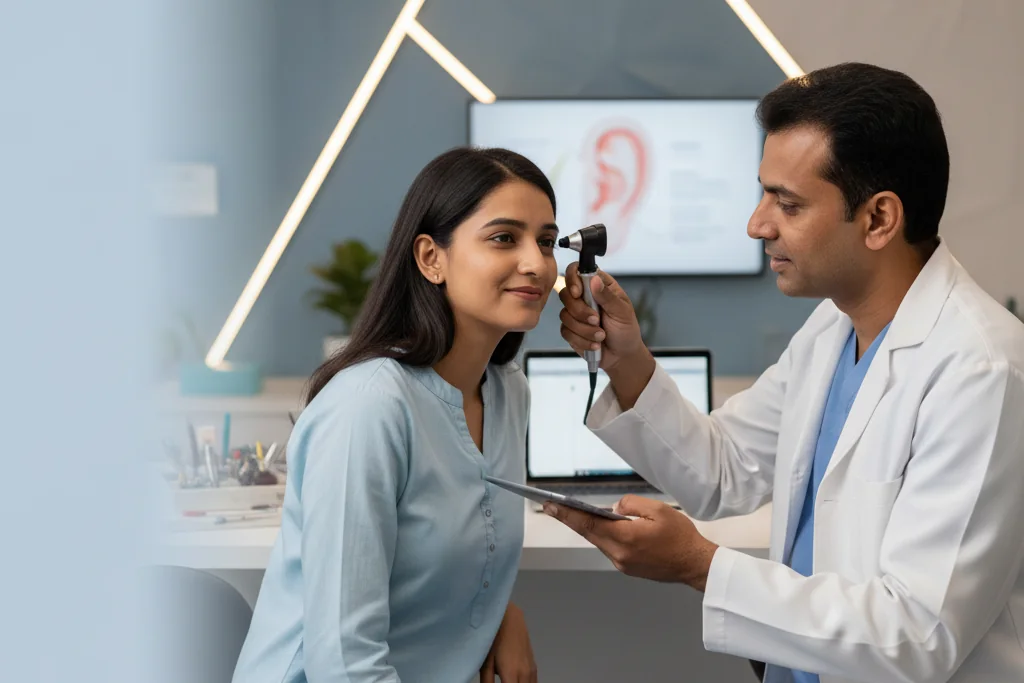
Newborn Hearing Screening — What You Need to Know
Welcoming a new baby into your family brings immense joy and a long list of responsibilities. Before you even leave the hospital, doctors will perform several routine health checks to ensure your little one is healthy. One of the most critical checks is the newborn hearing test. While you might easily notice if your baby has a birthmark or a feeding issue, you cannot see a hearing problem just by looking at them.
This guide matters because hearing is the invisible foundation of your child's future development. A baby begins learning language the moment they are born, absorbing the sounds of their environment and their parents' voices. If a baby has an undetected hearing issue, they miss out on these important early sounds. This guide is specifically designed for expectant parents, new mothers, caregivers, and families who have a history of hearing conditions.
In India, studies show that approximately 4 to 6 out of every 1,000 babies are born with some degree of hearing loss. This makes hearing impairment one of the most common congenital (conditions present at birth) conditions in the country. The numbers jump significantly higher for babies who require intensive care after birth. Despite these statistics, many parents remain unaware of the importance of early auditory screening.
Understanding the baby hearing screening process empowers you to advocate for your child's health. You will learn exactly how the screening works, what the results mean, and what steps to take if your baby needs further evaluation. By catching hearing issues early, you can ensure your child receives the right support to develop speech, language, and social skills right alongside their peers.
Understanding Newborn Hearing Screening
A baby hearing screening is a quick, painless, and safe evaluation designed to check how well your baby's ears and brain respond to sound. Medical professionals usually perform this test within the first 24 to 48 hours after birth, ideally before you take your baby home from the hospital. The goal is not to diagnose a specific hearing problem immediately, but rather to identify babies who need a closer look from a specialist.
To understand why this screening is so vital, you need to understand how a baby's brain develops. The first six months of life represent a critical window for language acquisition. During this time, the brain rapidly builds neural pathways based on the sounds the baby hears. A baby who cannot hear clearly will struggle to mimic sounds, often leading to communication struggles later on. You can read more about how auditory issues affect development in our guide on speech delay in children.
The human ear consists of three main parts: the outer ear, the middle ear, and the inner ear. Sound waves travel through the outer ear canal and hit the eardrum, causing it to vibrate. These vibrations move through tiny bones in the middle ear and reach the inner ear, where the cochlea sits. The cochlea translates these physical vibrations into electrical signals. Finally, the auditory nerve carries these signals to the brain, where they are understood as sound. A newborn hearing test checks this entire pathway to ensure no blockages or nerve issues exist.
There are two primary methods used for this evaluation. The first is called Otoacoustic Emissions (OAE). This test checks the function of the inner ear, specifically the tiny hair cells inside the cochlea. When sound waves enter a healthy ear, these hair cells vibrate and produce a very faint echo. The OAE machine plays soft clicking sounds into the baby's ear and uses a highly sensitive microphone to listen for that returning echo.
The second method is the Automated Auditory Brainstem Response (AABR) test. While the OAE checks the inner ear, the AABR checks how the auditory nerve and the brain respond to sound. The tester places small, soft sensors on your baby's head and plays sounds through gentle earphones. The machine then measures the electrical activity in the brain to confirm that the sound signal is successfully traveling from the ear to the brain. Both tests are entirely safe and often happen while the baby sleeps peacefully.
Step-by-Step Guide
Knowing exactly what happens during a newborn hearing test can help ease any anxiety you might feel. The process is straightforward and requires no active participation from your baby. Here is a step-by-step breakdown of how healthcare professionals conduct the screening.
- Timing the screening: The hospital staff will usually schedule the test when your baby is at least 24 hours old. Testing too soon after birth can sometimes yield inaccurate results because birth fluids might still block the ear canal.
- Preparing your baby: The best time to perform the test is when your baby is calm, relaxed, or fast asleep. Feeding your baby and changing their diaper right before the test can help them settle down. You can usually hold your baby in your arms, or they can stay in their bassinet.
- Setting up the environment: The audiologist or trained nurse will ensure the room is as quiet as possible. Excessive background noise from hospital machines or talking can interfere with the sensitive equipment used during the baby hearing screening.
- Performing the OAE test: The tester will gently place a small, soft probe just inside your baby's ear canal. This probe looks like a tiny earphone. It will play a series of soft clicks or tones. The machine will automatically record the echo produced by the inner ear. This step takes only a few minutes per ear.
- Performing the AABR test (if required): If the hospital uses the AABR method, the tester will gently clean three small spots on your baby's head and neck. They will place soft, sticky sensors on these spots and put small earmuffs over your baby's ears. The machine will play sounds and measure the brain's response.
- Reviewing the results: The screening equipment provides an immediate result. The tester will explain the outcome to you right away. The results will show either a "pass" or a "refer" for each ear.
From clinical experience, the most important tip for parents is to stay relaxed. Babies can often sense their parents' anxiety. If you remain calm and keep your baby comfortable, the testing process will go smoothly and quickly.
What to Expect
When the newborn hearing test is complete, you will receive one of two results: a "pass" or a "refer." Understanding what these terms mean will help you set realistic expectations for your baby's hearing health journey.
If your baby receives a "pass" result, it means the equipment detected normal hearing responses in both ears at the time of the test. This is excellent news, and no immediate follow-up is necessary. However, a pass result does not guarantee that your child will never develop hearing issues later in life. You should still monitor their hearing milestones as they grow.
If your baby receives a "refer" result, it simply means the machine did not detect the expected response. A "refer" result does not automatically mean your baby has permanent hearing loss. In fact, many babies who do not pass the initial screening have perfectly normal hearing. Common challenges can interfere with the first test. For example, vernix caseosa (a protective coating on a newborn's skin) or leftover amniotic fluid can temporarily block the ear canal. Once this fluid drains naturally over a few days, the baby will often pass a second test.
If your baby gets a "refer" result, the hospital will schedule a follow-up screening, usually within a week or two. If the baby does not pass the second screening, the doctor will refer you to a specialist for a thorough diagnostic evaluation. Medical professionals follow the "1-3-6 rule" for infant hearing. This rule states that every baby should be screened by 1 month of age, diagnosed by 3 months of age, and enrolled in early intervention services by 6 months of age.
Handling a "refer" result can feel stressful, but try not to panic. Follow the doctor's instructions carefully and ensure you attend all follow-up appointments. Missing these appointments can delay important interventions if your baby does have a true hearing impairment.
Tips for Better Outcomes
Ensuring your baby has the best possible hearing health requires proactive care and awareness of specific risk factors. As a parent, you play the most vital role in protecting your child's auditory development. Following practical advice from specialists can help you navigate this journey effectively.
First, you must understand the specific risk factors that make hearing loss more common in certain babies. In India, several factors contribute to a higher risk of infant hearing issues.
- Consanguineous marriages: Marrying within close relatives is a common cultural practice in parts of South India, including Tamil Nadu. This practice significantly increases the risk of passing down genetic hearing loss to the baby.
- Severe jaundice: High levels of bilirubin in a newborn's blood can damage the auditory nerve. Babies who require blood transfusions for jaundice need careful hearing monitoring.
- NICU admissions: Babies born prematurely, those with low birth weight, or those who spend more than five days in the Neonatal Intensive Care Unit face a higher risk.
- Infections during pregnancy: Maternal infections like Rubella, Cytomegalovirus (CMV), or Toxoplasmosis can affect the baby's hearing development in the womb.
A mother's health during pregnancy directly impacts her baby's auditory development. Expectant mothers should attend all prenatal checkups and receive necessary vaccinations. Preventing infections like Rubella during pregnancy drastically reduces the chances of congenital hearing issues. Additionally, managing conditions like gestational diabetes and high blood pressure helps ensure the baby receives proper blood flow and oxygen, which are vital for the developing ear structures.
To protect your baby's hearing after birth, follow these essential do's and don'ts:
- Do ask for the baby hearing screening results in writing before you leave the hospital.
- Do keep all follow-up appointments if your baby needs a second test.
- Do talk, sing, and read to your baby constantly to stimulate their auditory brain pathways.
- Don't assume your baby can hear perfectly just because they startle to a loud noise. A startle reflex only indicates they can hear very loud sounds, not the soft sounds needed for speech.
- Don't put anything inside your baby's ears.
In many Indian households, traditional practices involve putting warm oil, garlic juice, or breastmilk into a baby's ears to clean them or treat pain. You must strictly avoid these practices. Putting liquids into the ear canal can cause severe fungal or bacterial infections, which can permanently damage the eardrum and lead to hearing loss. Simply wipe the outside of the ear with a soft, damp cloth.
Additionally, protect your baby from loud noises. During festivals like Diwali, or during loud weddings and religious processions, keep your baby indoors and away from firecrackers and heavy loudspeakers. A newborn's ears are incredibly sensitive, and sudden acoustic trauma can cause irreversible damage.
When to Seek Medical Help
Even if your baby passes the initial newborn hearing test, you must remain vigilant. Some children develop acquired hearing loss later in infancy due to illnesses, infections, or genetic factors that show up over time. Knowing the warning signs will help you seek professional medical help before developmental delays occur.
You should monitor your baby's auditory milestones closely during their first year. Seek an evaluation from an ear specialist if you notice any of the following red flags:
- By 3 months: Your baby does not startle at sudden, loud noises or does not soothe to the sound of your voice.
- By 6 months: Your baby does not turn their eyes or head toward the source of a sound, or they do not seem to notice toys that make noise.
- By 9 months: Your baby does not respond to their own name or does not babble with varied sounds (like "ba-ba" or "ma-ma").
- By 12 months: Your baby does not understand simple words like "no" or "bye-bye," and has not spoken any single words.
Beyond developmental milestones, physical symptoms also require immediate medical attention. If your baby frequently pulls or tugs at their ears, cries excessively when lying down, or runs an unexplained fever, they might have a middle ear infection. Ear infections cause fluid to build up behind the eardrum, temporarily muffling sounds. If left untreated, chronic infections can cause permanent damage.
You should also seek help if you notice any fluid, pus, or foul-smelling discharge draining from your baby's ear. Never try to clean this discharge with cotton swabs at home. While adults might complain of a ringing sensation in their ears, babies cannot tell you what they are experiencing. You can learn more about adult ear symptoms in our article on tinnitus and ringing ears, but for infants, you must rely entirely on observing their behavior.
If permanent hearing loss is diagnosed, early intervention is the key to success. Modern medical technology offers excellent solutions. Depending on the severity of the loss, your doctor might suggest amplification devices. You can explore our hearing aid guide to understand how these devices help individuals capture sound effectively.
Expert Care at THANC Hospital
At THANC Hospital, we understand that your child's hearing health is a top priority. Our dedicated Audiology & Speech Language Pathology department provides thorough evaluations and compassionate care for infants and children. Under the expert guidance of Dr. A. Sudha, our team uses advanced diagnostic tools to identify hearing issues early and create personalized intervention plans. If you have concerns about your baby's hearing or need to schedule a screening, please Book an Appointment with our specialists today.
Frequently Asked Questions
Does the newborn hearing test hurt the baby?
No, the screening is completely painless and non-invasive. The equipment simply plays soft sounds and measures the ear or brain's response. Most babies sleep right through the entire process without feeling any discomfort.
What does it mean if my baby fails the hearing screening?
Failing the initial test, often called a "refer" result, does not automatically mean your baby has permanent hearing loss. It often happens due to temporary issues like birth fluid or wax in the ear canal. Your doctor will schedule a follow-up test a few weeks later to check again.
Can a baby pass the hearing test and still have hearing loss later?
Yes. While the initial screening catches congenital issues present at birth, some children develop hearing loss later due to frequent ear infections, childhood illnesses like meningitis, or delayed genetic conditions. Parents should always monitor their child's speech and hearing milestones.
How much time does a baby hearing screening take?
The actual testing process is very quick, usually taking only 5 to 10 minutes to check both ears. However, it might take a little longer if the baby is fussy or crying, as the tester needs a quiet environment to get accurate results.
Is hearing loss common in Indian babies?
Yes, hearing impairment is one of the most common birth conditions in India. Studies indicate that about 4 to 6 out of every 1,000 babies are born with severe hearing issues. The risk is higher for premature babies or those with severe jaundice.
What happens if permanent hearing loss is detected?
If diagnostic tests confirm permanent hearing loss, your specialist will guide you through early intervention options. Depending on the type and severity of the loss, treatments may include specialized hearing aids, speech therapy, or surgical options like cochlear implants to help your child develop normal language skills.
Learn more about Audiology & Speech Language Pathology
View treatments, doctors & FAQs
Concerned about this condition?
Our specialists can help. Book a consultation today.
Book Consultation